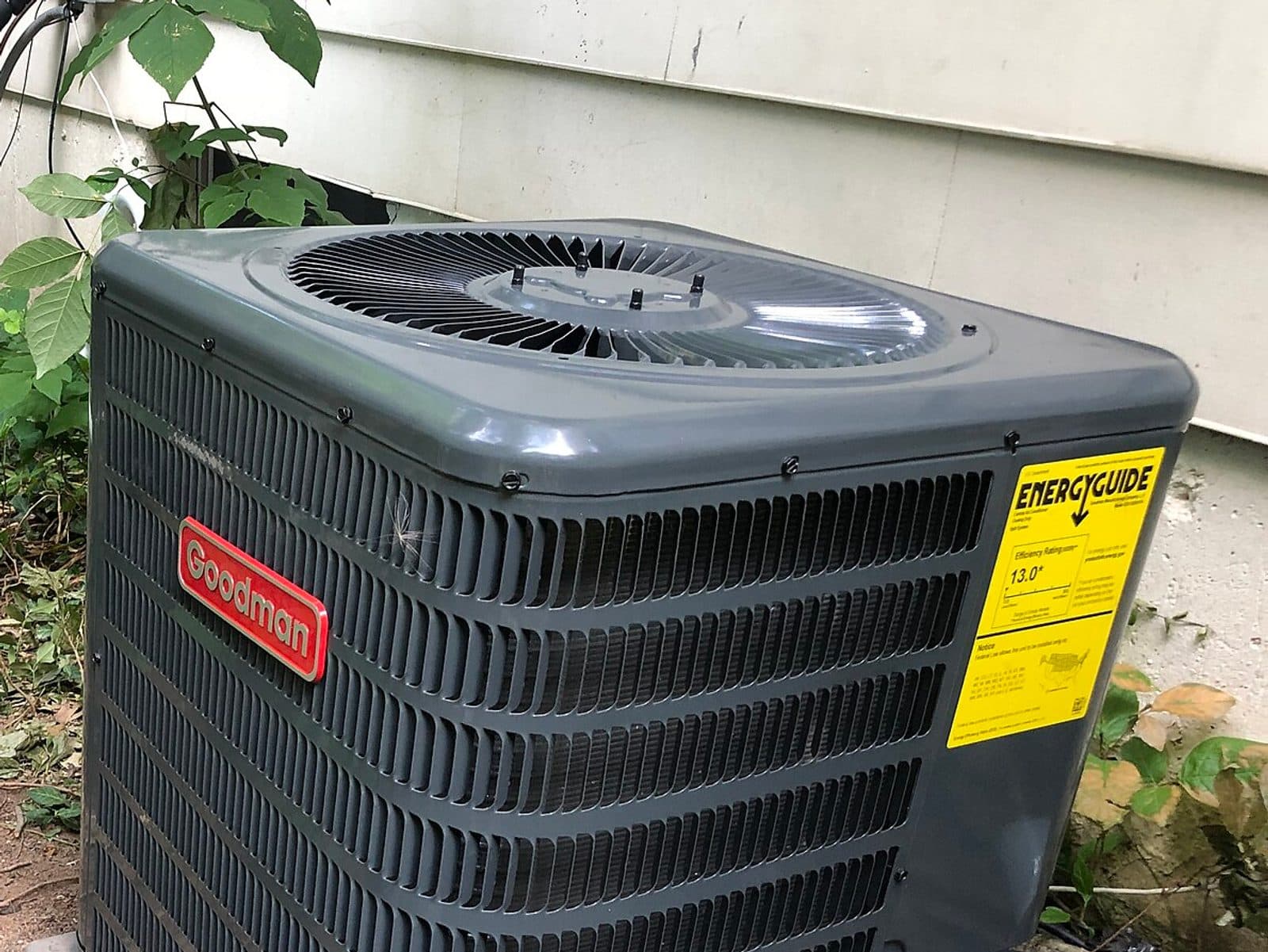
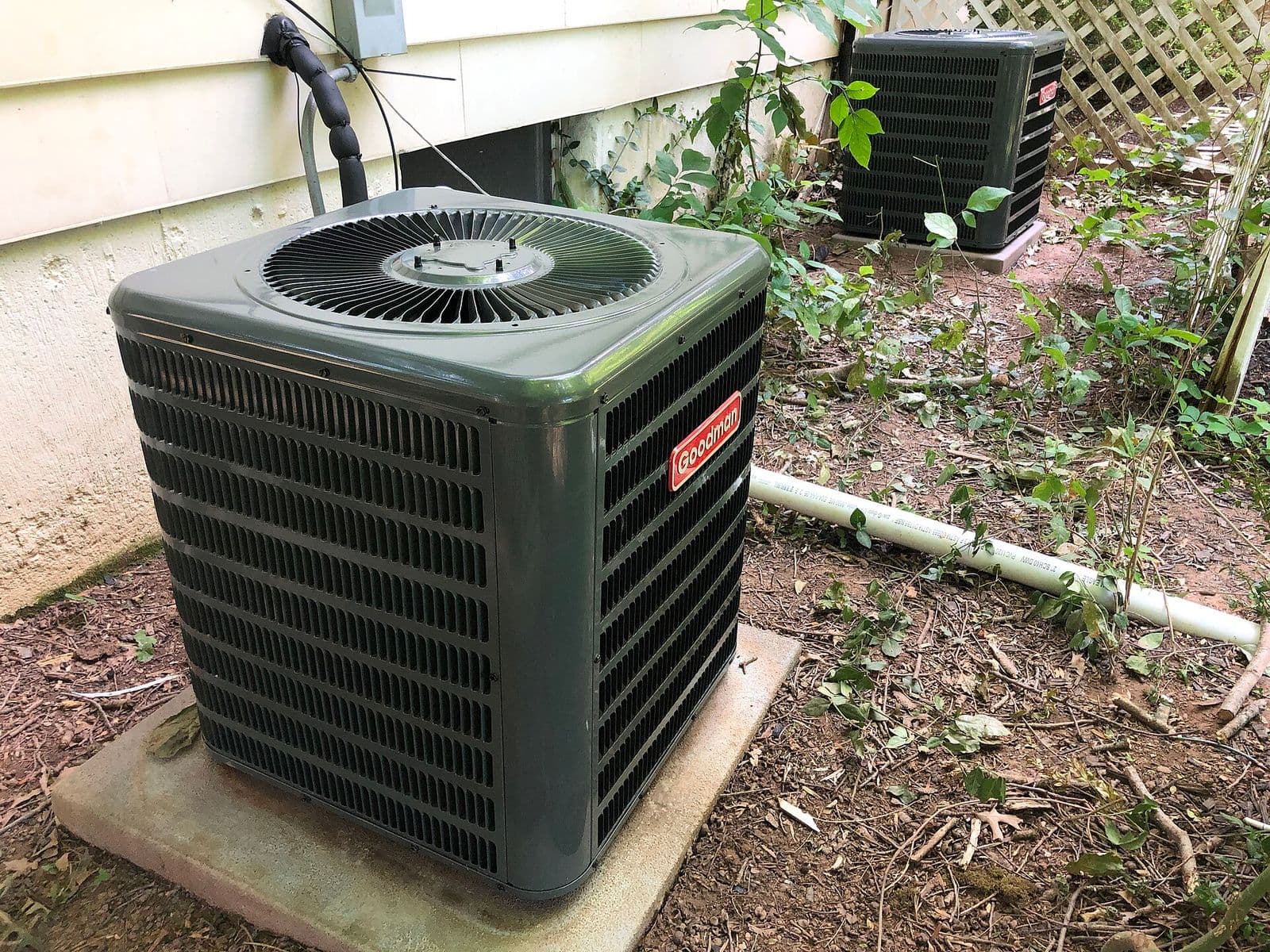
In Dallas–Fort Worth, maintenance is not optional upkeep — it is how small problems get found in April instead of on a 103°F Saturday in July. Cottonwood, dust, and hail season leave condenser coils matted, drains grow algae in humid attic pans, and weak capacitors test fine in mild weather and fail under summer load. The guide to prepare your AC for Texas summer covers the homeowner side of the same work.
A proper visit covers coil cleaning, drain flushing, capacitor and contactor testing, refrigerant performance checks, blower and filter review, and duct static pressure. The technician reports measured values, not just a pass sticker. Systems that are maintained also hold cooling better when paired with regular filter changes — see how often to change your AC filter — and timely AC repair when a weak part is flagged.
AC Maintenance at a glance
- Service
- AC Maintenance
- Service area
- Dallas-Fort Worth, TX metro (18 towns)
- Permits
- Handled by the HVAC technician
- Pricing
- You approve the price first
Signs
Signs you need ac maintenance
System has not been serviced before summer
If the condenser has not been cleaned or the drain flushed since last season, the first heat wave is when it will struggle. A spring visit is the standard timing in North Texas.
Cooling feels weaker than last year
Gradual loss of cooling often means a dirty coil, low airflow, or a charge problem developing slowly. Maintenance testing measures the drop instead of guessing.
Drain pan or ceiling stains near the air handler
Attic systems sit above ceilings, and a clogged condensate drain overflows into the secondary pan and then the drywall. Drain cleaning and an overflow switch check prevent water damage.
Higher bills with the same thermostat setting
A matted condenser coil or dirty filter makes the system run longer for the same result. Cleaning and airflow correction show up directly in runtime.
New home purchase or new system warranty
Most equipment warranties require documented maintenance. A baseline visit after moving in also confirms tonnage, charge, and duct condition you did not choose yourself.
Process
What the HVAC technician does
- 1
Step 1 — Outdoor unit cleaning and inspection
The condenser coil is cleaned, hail damage to fins is noted, fan operation is checked, and electrical connections, capacitor, and contactor are tested under load.
- 2
Step 2 — Indoor coil, blower, and drain service
The evaporator coil and blower are inspected, the condensate drain is flushed, pans are checked, and the filter and return path are reviewed.
- 3
Step 3 — Performance measurements
Supply and return temperatures, refrigerant pressures, and duct static pressure are measured and recorded so you can compare season to season.
- 4
Step 4 — Report and recommendations
The technician explains any weak parts — a capacitor testing low, a worn blower motor — and what can wait versus what should be fixed before summer.
Pricing
What affects the cost
Every home is different, so we don't publish prices — these are the factors the HVAC technician weighs when pricing the work.
Number of systems
Many DFW homes have two condensers and two air handlers for upstairs and downstairs. Each system needs its own cleaning and testing.
Coil condition and access
Heavily matted coils, hail-bent fins, and attic coils behind tight platforms take longer to clean and inspect properly.
Drain and pan condition
Clogged drains, cracked pans, or a missing overflow switch add drain work that protects the ceiling below the attic unit.
Parts found weak during testing
A capacitor, contactor, or filter replacement found during the visit is separate from the tune-up itself and is quoted before work starts.
Duct issues discovered
Disconnected or leaking attic ducts found during airflow testing may lead to a separate [duct sealing and repair](/hvac-services/duct-sealing-and-repair/) visit.
DIY
What you can do — and what to leave alone
Safe for homeowners
- Replace the air filter on schedule and write the date on the frame — see the [filter change guide](/resources/how-often-change-ac-filter/).
- Keep 2 feet of clearance around the condenser and gently rinse the coil with a garden hose from the outside with power off at the thermostat.
- Pour a cup of water into the condensate drain access if your system has one, to confirm it drains freely.
Stop — call an HVAC technician
- Never open the air handler or condenser panels to clean inside — capacitors and fan blades are hazards.
- Never use a pressure washer on condenser fins; it folds them flat and blocks airflow.
- Never add refrigerant as routine maintenance; charge is set by measurement, and handling requires EPA 608 certification.
- Never ignore a tripped overflow switch or water in the secondary pan — shut the system off and call.
- If you smell gas near the furnace or a CO alarm sounds, leave the house and call 911, then Atmos Energy.
FAQ
AC Maintenance: common questions
When should AC maintenance be done in Texas?
Schedule it in spring, before the first sustained heat. That timing leaves room to fix a weak capacitor or clean a clogged drain before the system runs all day. Fall is the matching visit for heating — see [heating maintenance](/hvac-services/heating-maintenance/).
What does a tune-up actually check?
A real tune-up measures capacitor values, contactor condition, refrigerant performance, temperature split, and duct static pressure, plus coil and drain cleaning. If no gauges or meter readings are taken, the visit was a visual once-over, not maintenance.
How often should I change my filter between visits?
Most DFW homes need a filter change every 1 to 3 months in cooling season, sooner with pets or nearby construction dust. The [filter guide](/resources/how-often-change-ac-filter/) explains how size and MERV rating change that interval.
Areas
Towns we serve
Related services
Related guides
How-To
How to Prepare Your AC for a Texas Summer
Prepare your AC in spring by replacing the filter, clearing debris from the outdoor unit, confirming the condensate drain flows, testing cooling before the first heat wave, and scheduling a tune-up. Catching a weak capacitor, low charge, or clogged drain in April beats an emergency call in July. A local HVAC technician in our network handles the gauge and electrical checks.
How-To
How Often Should You Change Your AC Filter?
Change a standard 1-inch filter every 1 to 3 months, and check it monthly during Dallas–Fort Worth summer when the system runs daily. Homes with pets, allergies, or nearby construction need monthly changes. If you cannot see light through the filter, it is already overdue.