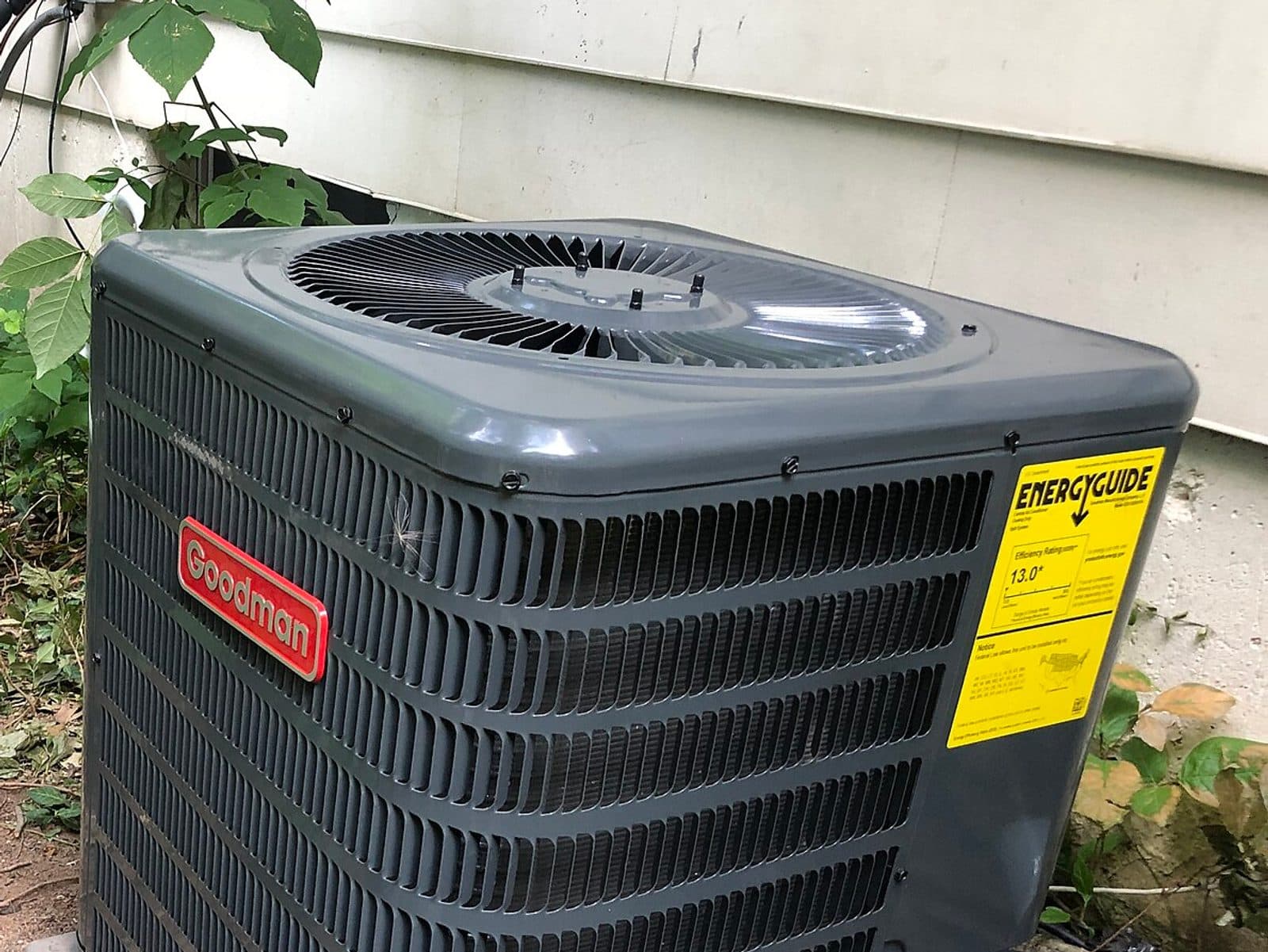
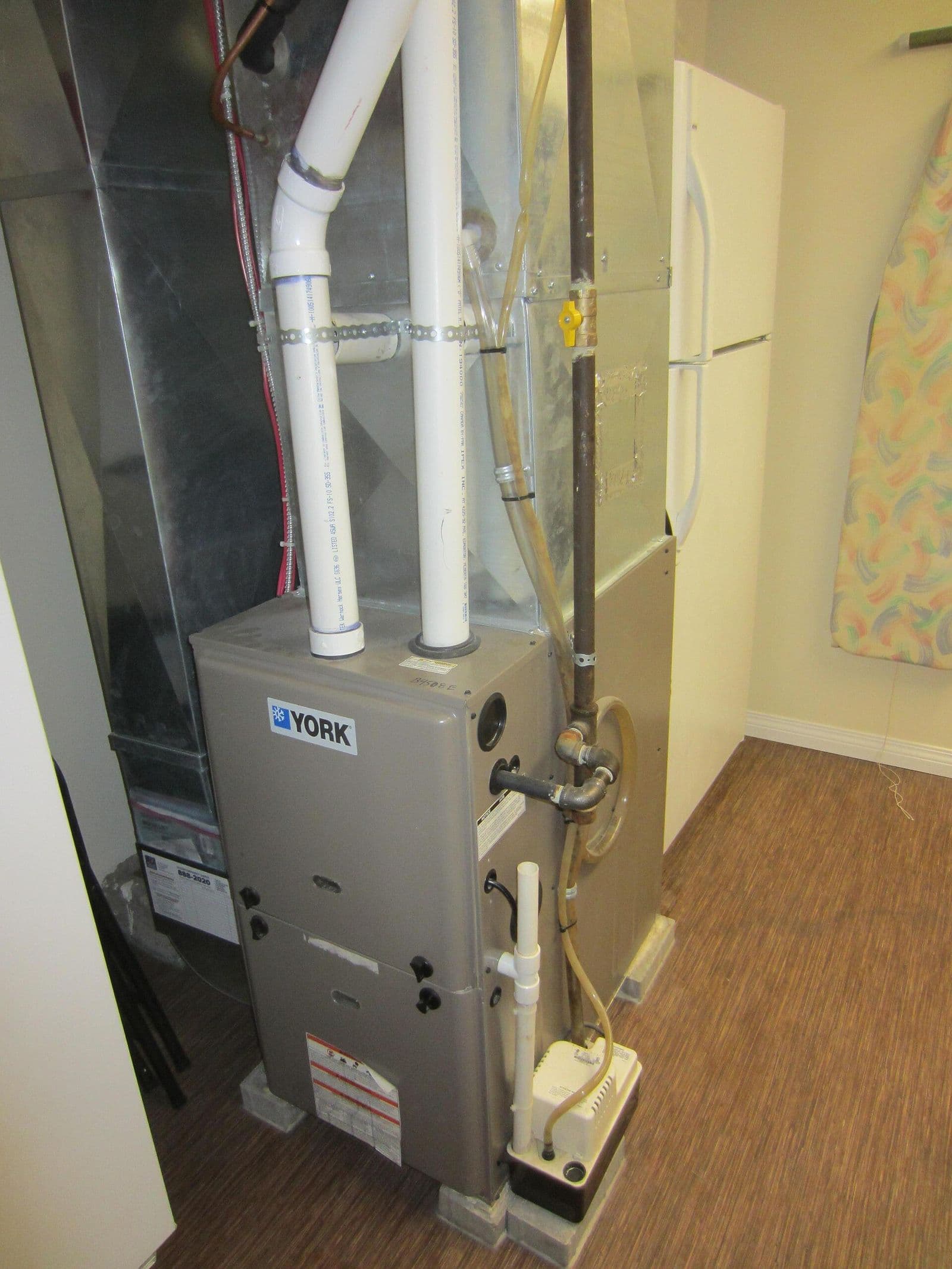
DFW heating systems fail at the worst moment because they sit unused from March to November. Dust burns off on the first cycle, flame sensors that were marginal in spring fail in December, and vent pipes blocked by nests or debris are discovered when the furnace locks out during a freeze. A fall visit finds those faults while parts and schedules are easy. Pair it with spring AC maintenance for year-round coverage.
The technician cleans burners and the flame sensor, tests igniter resistance, inspects the heat exchanger and venting, checks gas pressure and temperature rise, and verifies every safety switch. Findings are reported in plain terms, with furnace repair quoted separately if a part is failing. Homes with any combustion concern should add a carbon monoxide safety check.
Heating Maintenance at a glance
- Service
- Heating Maintenance
- Service area
- Dallas-Fort Worth, TX metro (18 towns)
- Permits
- Handled by the HVAC technician
- Pricing
- You approve the price first
Signs
Signs you need heating maintenance
Furnace has not run since last winter
Long idle periods are when igniters crack, inducer motors stick, and sensors coat over. A pre-season start and test is the cheapest reliability step there is.
Burning dust smell lasts beyond the first cycles
A brief dust odor on the first fall run is normal. A smell that persists, or any acrid or electrical odor, means burners or wiring need inspection.
Heating was uneven or noisy last winter
Bangs at startup, rattling blowers, and rooms that never warmed are findings to fix in fall, not complaints to repeat in January.
CO detector is old or absent
Every home with a gas furnace needs working carbon monoxide alarms. Maintenance is the right moment to test them and review placement — see the safety check service.
Filter history is unknown
A furnace that ran on a clogged filter overheats and trips its limit switch, stressing the heat exchanger. Maintenance resets the filter routine and checks for past overheating signs.
Process
What the HVAC technician does
- 1
Step 1 — Burner and ignition service
Burners are inspected and cleaned, the flame sensor is cleaned, and igniter resistance is measured against spec so a weak igniter is flagged before it fails.
- 2
Step 2 — Heat exchanger and vent inspection
The exchanger is visually inspected for cracks and corrosion, and vent pipe is checked for blockage, rust, and correct slope and joints.
- 3
Step 3 — Gas and safety testing
Manifold pressure, temperature rise, limit and rollout switches, and the pressure switch are tested through a full firing cycle.
- 4
Step 4 — Airflow and report
Blower operation, filter condition, and duct static pressure are checked, and the technician reports measured results and any recommended repairs.
Pricing
What affects the cost
Every home is different, so we don't publish prices — these are the factors the HVAC technician weighs when pricing the work.
Heating system type
Gas furnaces, heat pumps, and dual-fuel systems each need different test sequences, and homes with two systems double the scope.
Burner and exchanger condition
Heavy rust, soot, or a suspect exchanger finding moves the visit from routine service to safety evaluation and repair planning.
Parts flagged during testing
A weak igniter, worn inducer, or failing blower motor found during the tune-up is quoted separately before any replacement.
Venting corrections
Blocked or deteriorated vent pipe discovered during inspection must be corrected for the furnace to run safely.
Access conditions
Attic furnaces and tight closet installs take longer to service thoroughly than open garage locations.
DIY
What you can do — and what to leave alone
Safe for homeowners
- Replace the filter at the start of heating season and set a reminder for mid-winter.
- Test carbon monoxide and smoke alarms monthly and replace alarms past their printed service life.
- Keep the area around the furnace clear of storage, paint, and cleaning chemicals.
Stop — call an HVAC technician
- If you smell gas, leave the house, call 911 from outside, then Atmos Energy — never troubleshoot a gas odor yourself.
- If a CO alarm sounds, leave and call 911; do not open windows and remain inside.
- Never open the burner compartment or clean burners and gas parts yourself.
- Never bypass a limit, rollout, or pressure switch that keeps shutting the furnace down.
- Never block the vent pipe or store items against the furnace flue.
FAQ
Heating Maintenance: common questions
When should heating maintenance be scheduled?
Schedule it in fall, before the first freeze. That timing leaves room to replace a weak igniter or correct venting before the furnace is needed daily. Spring is the matching season for [AC maintenance](/hvac-services/ac-maintenance/).
What is checked on the heat exchanger?
The technician visually inspects the exchanger for cracks, rust-through, and flame disturbance when the blower starts. Any crack finding is a safety issue that requires furnace replacement, not repair.
Why does my house smell when heat first turns on?
A light dust smell for the first few cycles is dust burning off the heat exchanger and is normal. Odors that persist, smell electrical, or come with headaches or nausea need a shutdown and a [carbon monoxide safety check](/hvac-services/carbon-monoxide-safety-check/).
Areas
Towns we serve
Related guides
Heating
Furnace Not Heating? Safe Checks for Texas Homes
A furnace that does not heat is often set wrong at the thermostat, has a clogged filter tripping a limit switch, or lost power or gas supply. Check the thermostat mode, filter, and breaker first. If you smell gas or a carbon monoxide alarm sounds, leave the house and call 911, then Atmos Energy. Do not open furnace panels.
How-To
How Often Should You Change Your AC Filter?
Change a standard 1-inch filter every 1 to 3 months, and check it monthly during Dallas–Fort Worth summer when the system runs daily. Homes with pets, allergies, or nearby construction need monthly changes. If you cannot see light through the filter, it is already overdue.