Short answer
Prepare your AC in spring by replacing the filter, clearing debris from the outdoor unit, confirming the condensate drain flows, testing cooling before the first heat wave, and scheduling a tune-up. Catching a weak capacitor, low charge, or clogged drain in April beats an emergency call in July. A local HVAC technician in our network handles the gauge and electrical checks.
Start the System Early and Listen
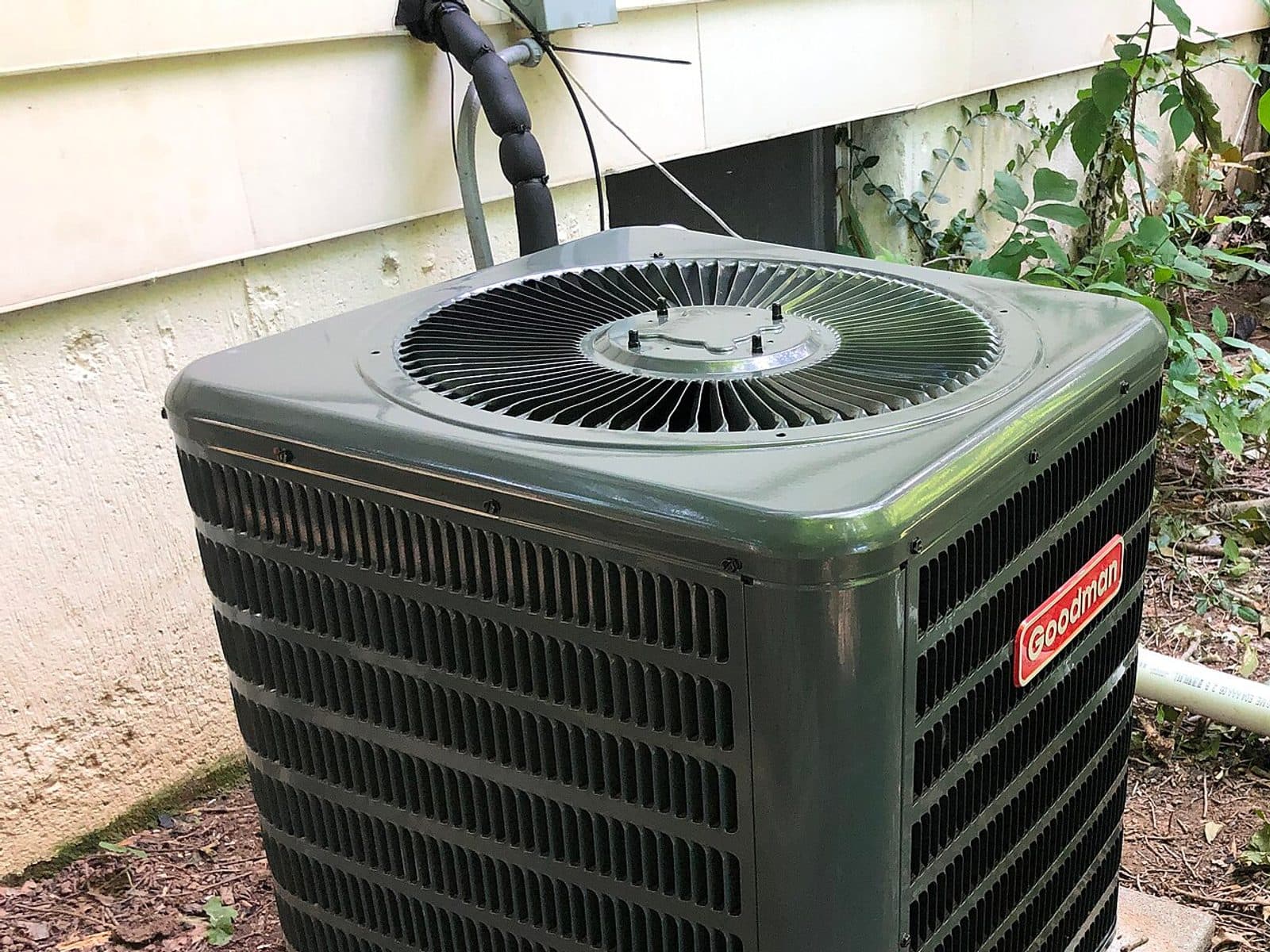
On a mild spring day, set the thermostat to COOL, drop the set point a few degrees, and let the system run a full cycle. Confirm cold air at the vents, normal airflow, and no new noises, smells, or water around the indoor unit. A system that struggles at 78 degrees will fail at 102 degrees.
Early testing leaves time to schedule repairs before DFW shops book out in the first heat wave. If the test shows warm air or weak airflow, work through the checks in the guide on an AC not cooling and book service while calendars are still open.
Filter, Vents, and the Outdoor Unit
Start summer with a fresh filter and a note of its size and change date. Open every supply vent and clear returns of furniture and rugs. Closed vents and blocked returns raise duct pressure and cut airflow all season.
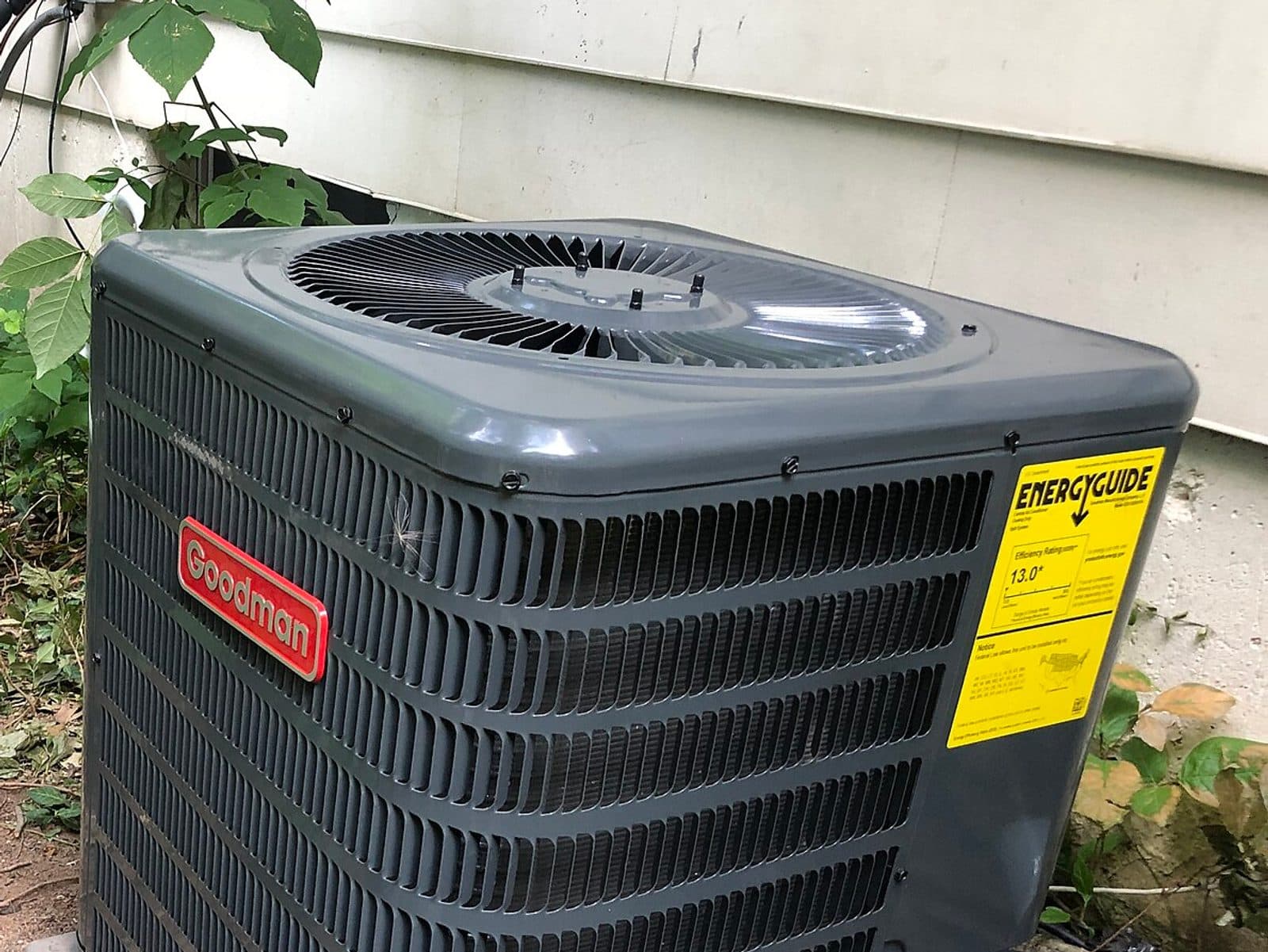
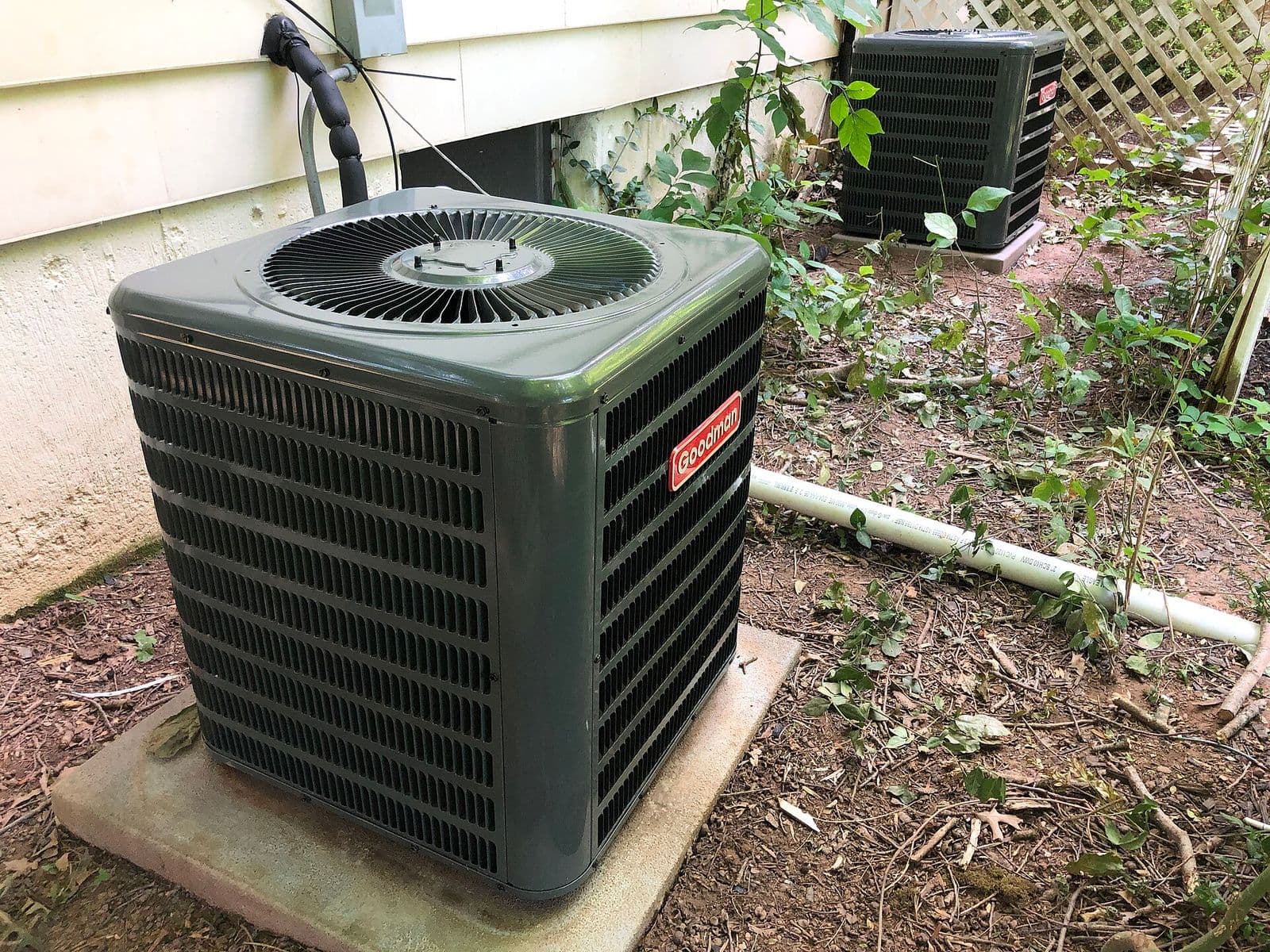
At the outdoor unit, cut back plants to allow open airflow on all sides, remove leaves and grass from the base, and rinse the coil gently with a hose with the power off. Do not pressure wash the fins. The schedule in how often to change your AC filter keeps airflow on track through the season.
- Fresh filter installed with the airflow arrow toward the blower.
- All supply vents open and returns unblocked.
- Outdoor coil rinsed, base clear, plants trimmed back.
- Thermostat batteries replaced and schedule set for summer routines.
Condensate Drain: The Small Line That Floods Attics
Cooling pulls gallons of water from indoor air, and that water leaves through the condensate drain. Algae and debris clog the line until the drain pan overflows, and in attic installs the overflow stains or collapses ceilings. A float switch should cut the system off first, but switches fail too.
Locate the drain cleanout, confirm water flows when the system runs, and check the secondary pan under attic units for rust or standing water. A spring AC maintenance visit includes a drain flush and float switch test, which is cheap insurance against the most common water damage call in DFW summers.
Ducts and Attic Checks Before Peak Heat
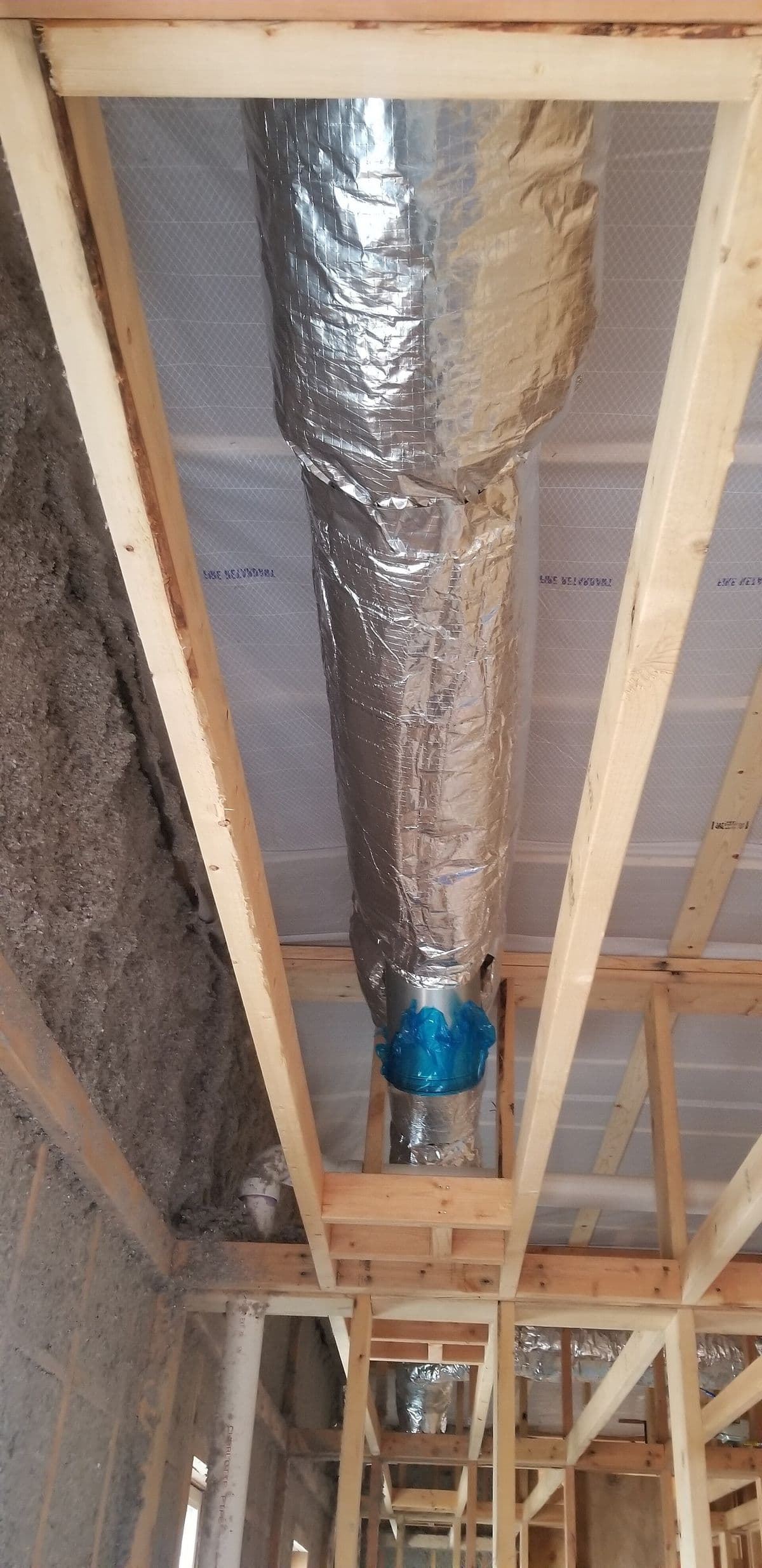
Attic temperatures in July punish leaky ducts. Look for disconnected or crushed flex runs, missing insulation on ducts, and heavy dust at supply boots, all visible from the attic access with a flashlight. Do not crawl attic joists without decking; a fall through the ceiling costs more than the duct fix.
Hot upstairs rooms that worsen every summer often trace to duct leakage and thin attic insulation rather than the AC itself. Ask the technician to check static pressure and duct condition during the tune-up, and review duct sealing and repair if losses are found.
When to Call and What a Technician Does
Book a spring tune-up before the first 95-degree week, or call sooner if the spring test shows warm air, ice, noises, short cycling, or drain water. A local HVAC technician in our network checks refrigerant charge, tests capacitors and contactors, cleans coils, flushes the drain, tests the float switch, and measures temperature split and airflow.
You receive a written condition report: what is sound, what to watch, and what to fix before peak heat. Weak capacitors and low charge found in spring are short, scheduled fixes. The same faults in July become emergency calls with a hot house in between. See the emergency HVAC page if the system has already failed.
Editorial note: This guide is educational. HVAC work can be dangerous — when in doubt, call a local HVAC technician rather than opening anything up.
FAQ
Questions about this topic
When should I schedule my spring AC tune-up?
Schedule in March or April, before the first sustained heat. Early appointments are easier to book, and any repair the tune-up finds can be finished before the system is needed daily.
What is the most important summer prep step?
A fresh filter plus a condensate drain check prevents the two most common mid-summer failures: frozen coils from low airflow and attic water damage from a clogged drain. Both are checked on every spring tune-up.
Can I rinse my outdoor coil myself?
Yes, gently, with the power off at the disconnect and a garden hose at low pressure. Never use a pressure washer, which folds the fins flat and blocks airflow. Deep chemical cleaning belongs in a professional tune-up.
Services for this topic
Related guides
Troubleshooting
AC Not Cooling the House? A Step-by-Step Check
An AC that runs but does not cool the house usually has restricted airflow, a dirty outdoor coil, low refrigerant, or leaky ducts. Check the filter, confirm every supply vent is open, and rinse debris off the outdoor coil. If the indoor temperature keeps rising on a normal day, call a local HVAC technician in our network.
How-To
How Often Should You Change Your AC Filter?
Change a standard 1-inch filter every 1 to 3 months, and check it monthly during Dallas–Fort Worth summer when the system runs daily. Homes with pets, allergies, or nearby construction need monthly changes. If you cannot see light through the filter, it is already overdue.
Costs & Decisions
Signs Your AC Needs Replacing, Not Another Repair
An AC usually needs replacing when repairs repeat every season, the compressor or coil fails, energy bills climb while comfort falls, or the system uses an older refrigerant that is costly to service. One repair on a younger system is normal. A pattern of failures is the signal. A local HVAC technician in our network can lay out repair and replacement side by side in writing.