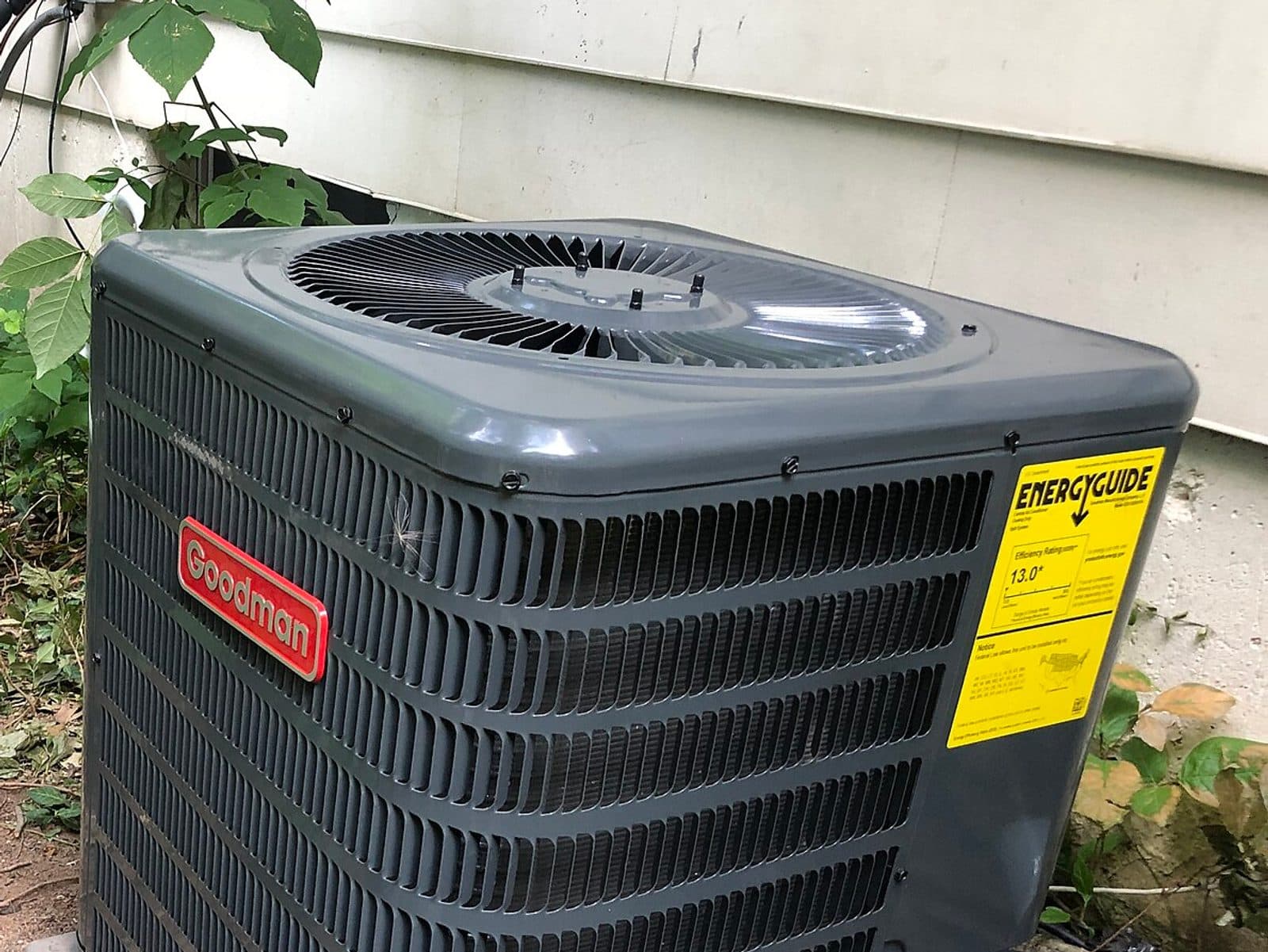
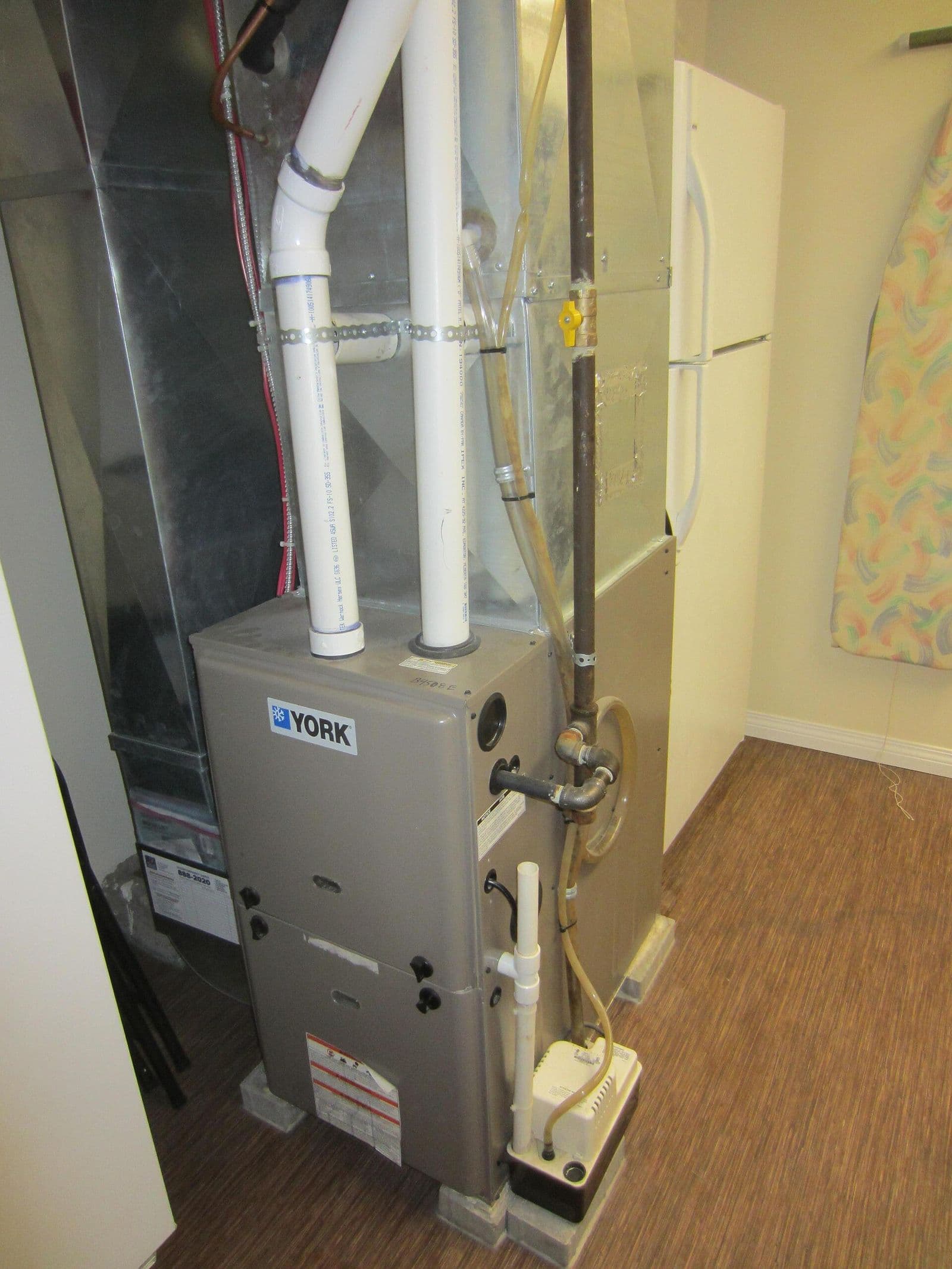
North Texas freezes are short and severe. When a furnace or heat pump fails during a hard freeze, indoor temperatures drop quickly, and exposed pipes in exterior walls and attics approach bursting — the damage pattern DFW saw in February 2021. The furnace not heating guide covers the safe checks to make while you wait, including thermostat and filter checks.
Emergency diagnosis works the firing sequence fast: power, thermostat call, inducer, ignition, flame proof, and blower. Heat pumps get defrost and auxiliary heat checks, since a heat pump iced over or stuck without aux heat cannot hold a house in a freeze. Non-urgent faults are handled under standard furnace repair or heat pump repair.
Emergency Heating Repair at a glance
- Service
- Emergency Heating Repair
- Service area
- Dallas-Fort Worth, TX metro (18 towns)
- Permits
- Handled by the HVAC technician
- Pricing
- You approve the price first
Signs
Signs you need emergency heating repair
No heat during freezing weather
A dead furnace or heat pump with outdoor temperatures below freezing is urgent because of both comfort and pipe risk. Call as soon as basic checks — thermostat, filter, breaker — are done.
Furnace locks out and will not restart
Repeated failed ignition attempts put the control board into lockout. Resetting power once is reasonable; repeated lockouts mean a fault in ignition, venting, or flame sensing that needs testing.
Heat pump running but house keeps cooling
A heat pump that cannot keep up, is encased in ice, or never brings on auxiliary heat will lose ground all night in a freeze. That is an emergency call, not a wait-and-see.
Gas smell or CO alarm with no heat
This combination is a safety emergency first and a heating problem second. Leave the house, call 911, then Atmos Energy for gas — heating repair comes after the home is cleared.
Burning smell or visible sparking at the furnace
Electrical odors, smoke, or sparking at the air handler or furnace mean power should be switched off at the breaker and the unit left off until inspected.
Process
What the HVAC technician does
- 1
Step 1 — Safety triage on the call
Symptoms, gas or CO concerns, and error codes are reviewed first. Any gas or CO indication stops the process and routes you to 911 and Atmos Energy before repair.
- 2
Step 2 — Firing sequence diagnosis
The technician tests power, thermostat signal, inducer, pressure switch, igniter, gas valve, and flame sensor in order to find the failed step.
- 3
Step 3 — Stabilizing repair
The failed part is replaced, a frozen heat pump is safely defrosted, or auxiliary heat is restored so the house holds temperature.
- 4
Step 4 — Full-cycle and safety verification
A complete heating cycle is run, supply temperature is confirmed, and safety switches and CO checks are verified before the visit closes.
Pricing
What affects the cost
Every home is different, so we don't publish prices — these are the factors the HVAC technician weighs when pricing the work.
Failed component
Igniters and sensors are smaller repairs; inducer motors, blower motors, gas valves, and control boards are larger parts with more labor.
Freeze-related secondary damage
Burst pipes, water-damaged boards, and ice-damaged heat pump coils found during the visit expand the work beyond the heating fault.
System type
Gas furnaces, heat pumps, and dual-fuel systems follow different diagnostic paths, and heat pump defrost or reversing valve faults add steps.
Parts availability during a freeze event
Widespread freezes strain local parts supply across DFW, and less common furnace models may need ordered parts.
Access in severe weather
Attic furnaces, icy condenser pads, and homes with power issues from Oncor outages affect how the repair proceeds.
DIY
What you can do — and what to leave alone
Safe for homeowners
- Check the thermostat is on Heat with working batteries, replace a clogged filter, and confirm the furnace switch and breaker are on.
- Open cabinet doors under sinks and let faucets drip during a freeze to reduce pipe burst risk while heat is out.
- Use safe supplemental heat: keep space heaters away from bedding and never use an oven or grill for heat.
Stop — call an HVAC technician
- If you smell gas, leave the house immediately, call 911 from outside, then Atmos Energy.
- If a CO alarm sounds, leave and call 911 — never stay to troubleshoot the furnace.
- Never bypass safety switches, jump the gas valve, or relight a furnace that keeps locking out.
- Never open the burner compartment or air handler electrical panel.
- Never use a charcoal grill, generator indoors, or oven as a heat source — all produce carbon monoxide.
FAQ
Emergency Heating Repair: common questions
What should I do first when heat fails in a freeze?
Check the thermostat, filter, and breaker once, then protect pipes by opening sink cabinets and dripping faucets. If those checks do not restore heat, call for emergency diagnosis — see [furnace not heating](/resources/furnace-not-heating/) for the order of checks.
Why does my furnace keep locking out?
Lockout is the control board stopping after repeated failed starts, usually from a weak igniter, dirty flame sensor, blocked vent, or pressure switch fault. Power-cycling clears the code but not the cause — the failed step needs testing.
Can a heat pump heat a house in a hard freeze?
Yes, with working auxiliary heat. Heat pumps lose capacity as temperatures fall, so the aux strips or gas backup must engage. If the house keeps cooling, the defrost cycle or aux heat needs repair — see [heat pump repair](/hvac-services/heat-pump-repair/).
Areas
Towns we serve
Related guides
Heating
Furnace Not Heating? Safe Checks for Texas Homes
A furnace that does not heat is often set wrong at the thermostat, has a clogged filter tripping a limit switch, or lost power or gas supply. Check the thermostat mode, filter, and breaker first. If you smell gas or a carbon monoxide alarm sounds, leave the house and call 911, then Atmos Energy. Do not open furnace panels.
Troubleshooting
Thermostat Not Working? Blank Screen and No Response Fixes
A thermostat that is blank or unresponsive usually lost power from dead batteries, a tripped breaker, or a condensate float switch that cut power to stop a water overflow. Replace batteries and check the breaker and drain pan first. If the screen returns but the system still will not run, call a local HVAC technician in our network.