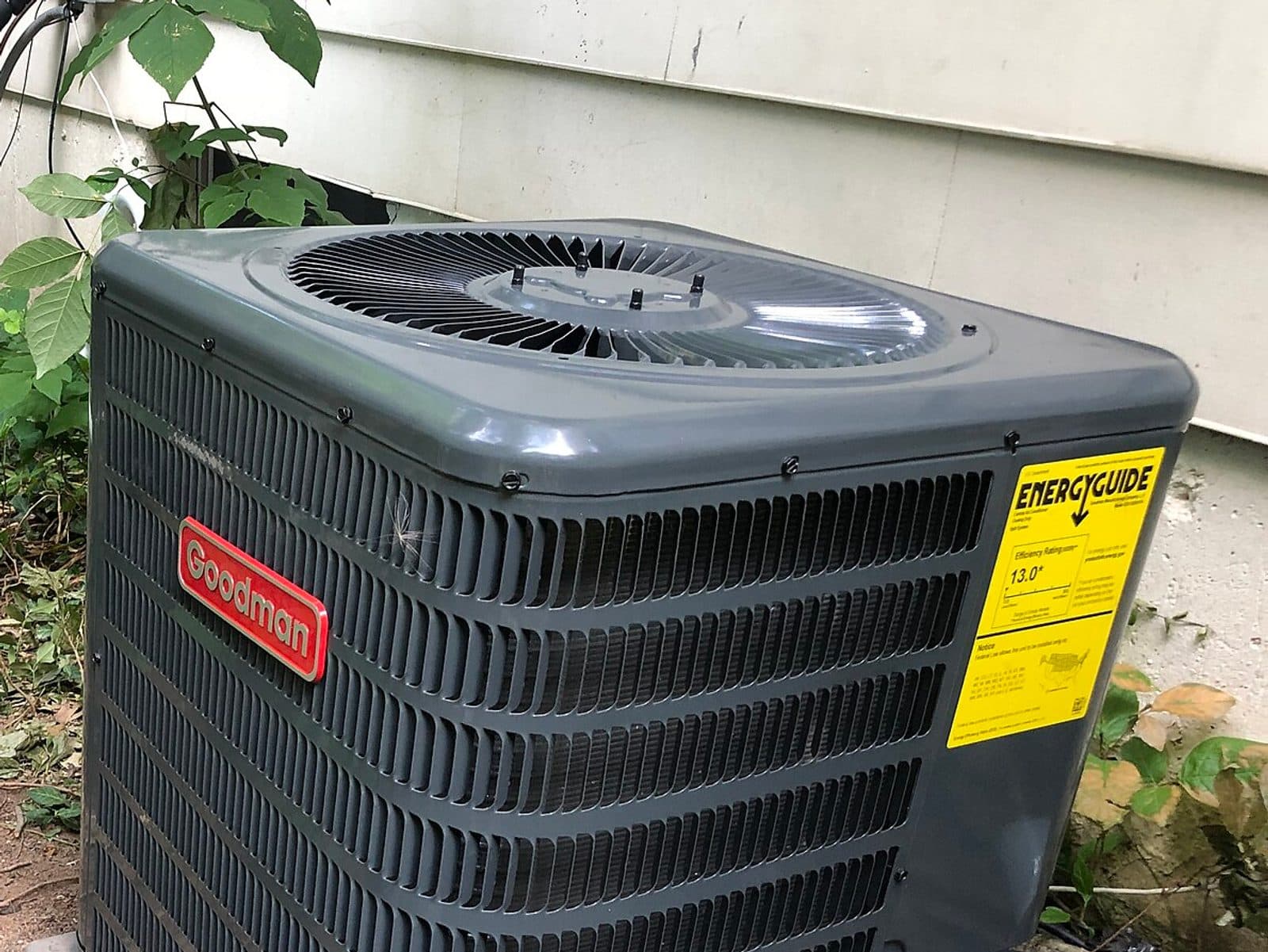

Two DFW housing patterns create ventilation problems. Newer tight-built homes in growing suburbs seal well for efficiency, then hold cooking odors, shower moisture, and stale air because almost no air is exchanged. Older homes have the opposite defect: bath fans that vent into the attic instead of outside, dumping moisture onto roof decking and insulation for years. Both patterns feed the moisture and odor complaints handled under indoor air quality.
The work starts with an audit: which fans exist, where each duct actually terminates, and what airflow each delivers. Fixes range from re-routing a fan duct to a proper roof or wall cap, to a fresh-air intake ducted into the return with a motorized damper and control, to an ERV that tempers incoming air and manages part of its moisture — paired with a whole-home dehumidifier where Gulf humidity loads are high. Opening a window is not a plan in August heat or a January freeze snap, which is the point of mechanical ventilation.
Ventilation Services at a glance
- Service
- Ventilation Services
- Service area
- Dallas-Fort Worth, TX metro (18 towns)
- Permits
- Handled by the HVAC technician
- Pricing
- You approve the price first
Signs
Signs you need ventilation services
Bathroom mirrors and walls stay wet long after showers
A fan that is undersized, clogged, or venting into the attic cannot clear shower moisture. Paint peeling and growth at ceiling corners are the downstream evidence.
Bath fan duct ends in the attic
This common defect is found during attic work: a flex duct that stops above the bathroom, soaking insulation with every shower. It must terminate through the roof or wall with a proper cap.
Cooking odors linger through the house for hours
A range hood that recirculates, or no hood ducted outside at all, leaves grease and odor in a tight home's air. Ducted exhaust removes them at the source.
Air feels stale in a newer, tight home
Headache-level stuffiness is hard to self-diagnose, but the pattern — a well-sealed newer home with no fresh-air provision — is measurable with an airflow and intake audit.
Condensation on windows in mild weather
Indoor moisture with nowhere to go condenses on the coldest glass first. Exhaust at the sources plus controlled fresh air lowers the whole-house moisture level.
Process
What the HVAC technician does
- 1
Step 1 — Exhaust and intake audit
Every bath fan, the range hood, dryer route, and any fresh-air intake is traced: duct condition, termination point, and delivered airflow are recorded.
- 2
Step 2 — Ventilation plan for the home's tightness
Fixes are scoped per finding — re-termination, fan replacement with correctly rated units, a ducted fresh-air intake, or an ERV — with humidity impact considered for each option.
- 3
Step 3 — Installation and termination work
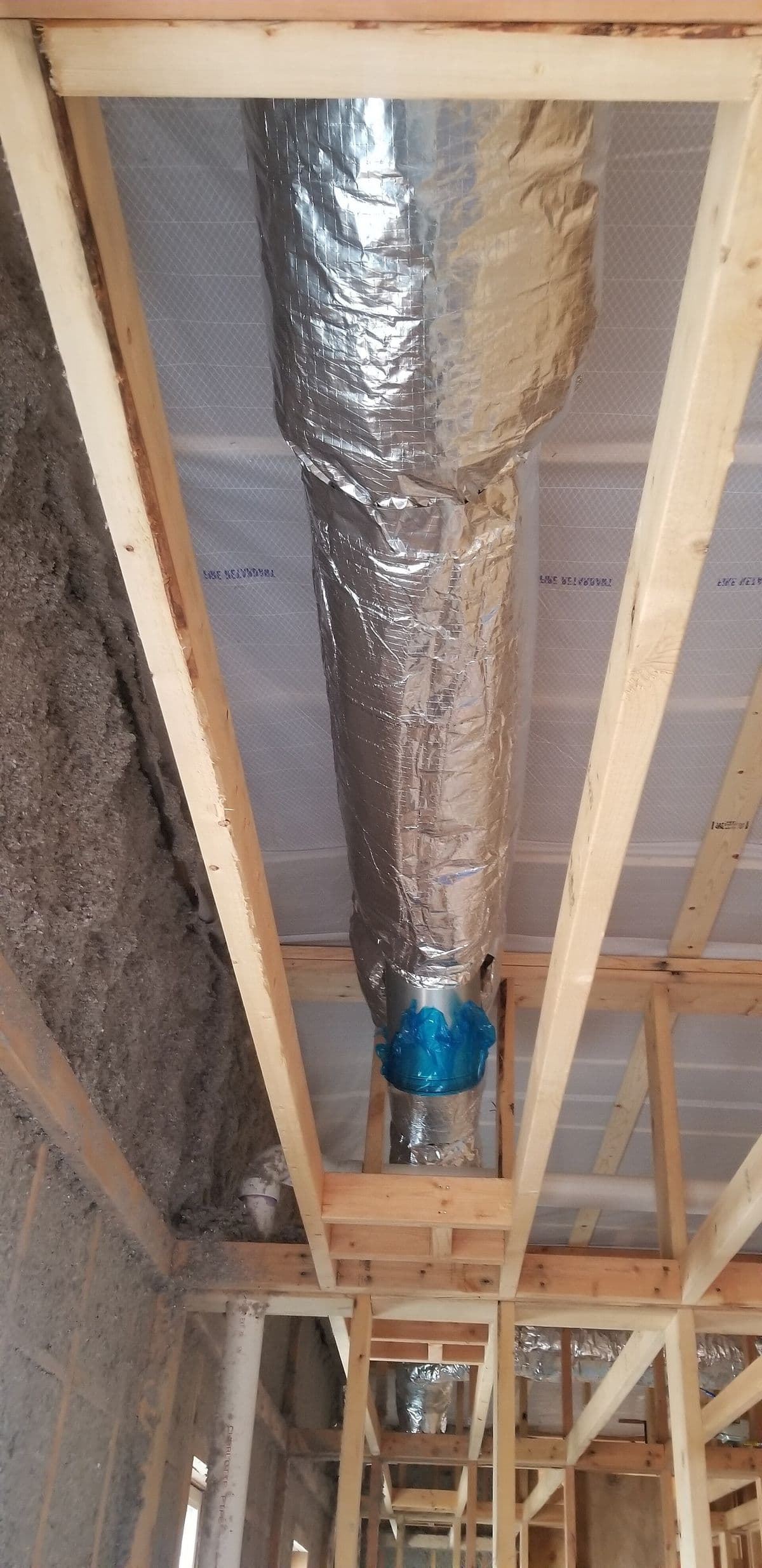
Fans and ducts are installed or re-routed, roof or wall caps with backdraft dampers are fitted, and intakes are connected to the return with controls set.
- 4
Step 4 — Airflow verification
Delivered airflow is measured at each corrected exhaust and intake, terminations are confirmed outside, and control settings are explained.
Pricing
What affects the cost
Every home is different, so we don't publish prices — these are the factors the HVAC technician weighs when pricing the work.
Number of fans and terminations corrected
One bath fan re-route is a small job. A home needing three fan corrections plus a fresh-air intake is a larger, combined project.
Approach selected — intake, ERV, or exhaust only
A ducted fresh-air intake with a damper is simpler equipment than an ERV with its own ductwork and condensate drain.
Duct routing and roof or wall caps
Short attic runs to a nearby roof cap are quick. Long routes, second-story bathrooms, and brick wall penetrations add labor and materials.
Electrical and control work
New fans, humidity-sensing switches, and motorized intake dampers tied to the air handler each add wiring and control setup.
Attic access and existing damage
Insulation soaked by a mis-vented fan, or ducts buried under blown insulation, add cleanup and access time to the correction.
DIY
What you can do — and what to leave alone
Safe for homeowners
- Run bath fans during showers and until the mirror clears afterward, and use the range hood whenever you cook.
- Clean fan grilles and check that exterior caps open freely and are not blocked by nests or paint.
- Note which bathrooms fog heavily and which odors linger — that pattern directs the audit efficiently.
Stop — call an HVAC technician
- Never accept a bath fan vented into an attic or soffit cavity as finished — exhaust must terminate outdoors through a proper cap.
- Never block a fresh-air intake to cut energy use; the intake is controlled and sized, and blocking it defeats the ventilation plan.
- Never cut a roof or wall penetration yourself for a fan duct — flashing errors trade a moisture problem for a roof leak.
- Never run a bath fan duct into the same line as the dryer or range exhaust; each exhaust keeps its own route.
- Never ignore a fan that hums but moves no air — a failed motor or crushed duct means moisture is going wherever the duct ends.
FAQ
Ventilation Services: common questions
Why does a tight, efficient home need mechanical ventilation?
Because sealing cuts the incidental air exchange older leaky homes got for free. Moisture, cooking byproducts, and everyday odors then accumulate indoors. Controlled ventilation replaces stale air deliberately — measured and filtered — instead of relying on leaks.
What is the difference between a fresh-air intake and an ERV?
A fresh-air intake ducts outdoor air into the return system under damper control, using the existing blower and filter. An ERV is a separate unit that exchanges heat and part of the moisture between outgoing and incoming air, which suits tight homes with larger ventilation needs.
Should bathroom fans vent through the roof or the wall?
Either is correct, provided the duct terminates outdoors through a cap with a backdraft damper and the run is short and sealed. What is never correct is ending the duct in the attic, a soffit cavity, or a crawl space — the moisture has to leave the building.
Areas
Towns we serve
Related guides
How-To
How Often Should You Change Your AC Filter?
Change a standard 1-inch filter every 1 to 3 months, and check it monthly during Dallas–Fort Worth summer when the system runs daily. Homes with pets, allergies, or nearby construction need monthly changes. If you cannot see light through the filter, it is already overdue.
How-To
How to Prepare Your AC for a Texas Summer
Prepare your AC in spring by replacing the filter, clearing debris from the outdoor unit, confirming the condensate drain flows, testing cooling before the first heat wave, and scheduling a tune-up. Catching a weak capacitor, low charge, or clogged drain in April beats an emergency call in July. A local HVAC technician in our network handles the gauge and electrical checks.