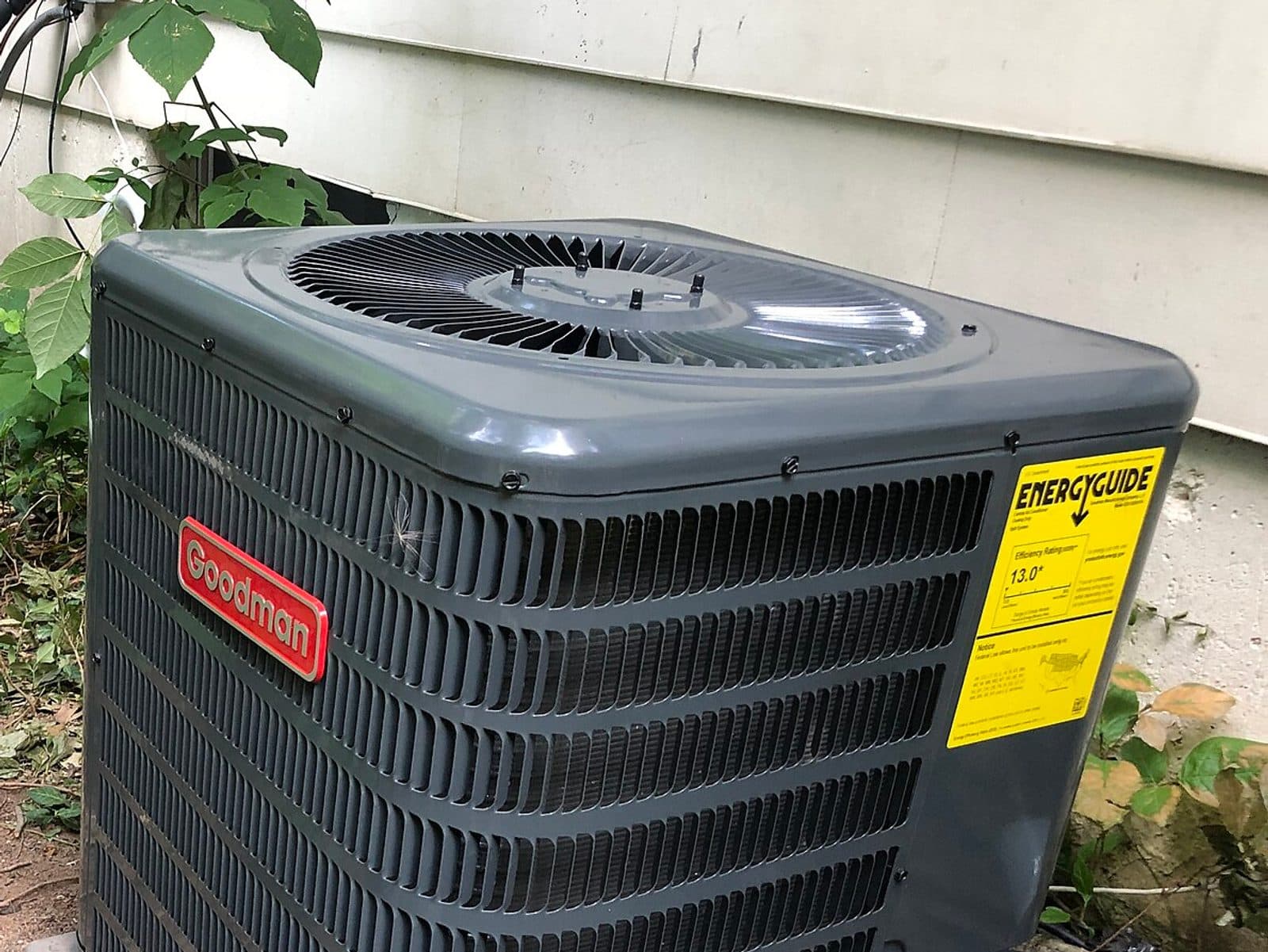
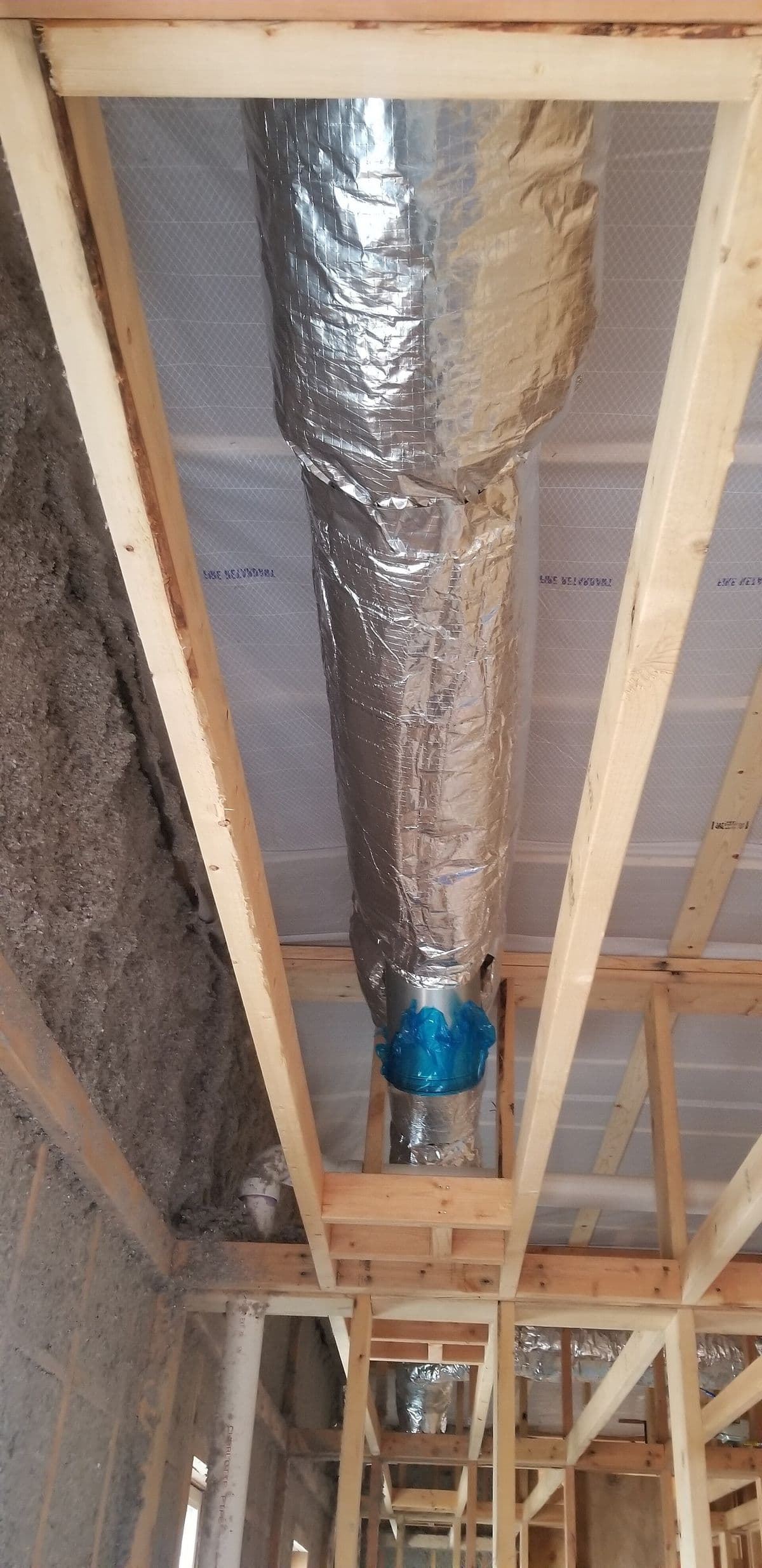
A whole-home purifier treats the air that passes through the return, which in a DFW summer is nearly all the air in the house, many times a day. The main options are deep media filtration, electronic air cleaners, and UV lamps mounted at the evaporator coil to keep the coil surface clean. Each does a different job, and the choice belongs to the problem found in the indoor air quality assessment — particles, coil fouling, or both.
The step most installs skip is the airflow check. A high-efficiency filter in a return that is already undersized raises static pressure, cuts airflow, and can freeze the coil it was meant to protect. The technician measures pressure before and after, confirms the blower can carry the added resistance, and corrects filter-slot bypass so air cannot slip around the media. Ongoing care ties into AC maintenance and sealing return leaks with duct sealing and repair.
Air Purifier Installation at a glance
- Service
- Air Purifier Installation
- Service area
- Dallas-Fort Worth, TX metro (18 towns)
- Permits
- Handled by the HVAC technician
- Pricing
- You approve the price first
Signs
Signs you need air purifier installation
Thin filters clog within weeks
A standard 1-inch filter has little surface area, so DFW dust and pet dander load it fast. A deep media cabinet holds far more before airflow drops.
Pets live indoors
Dander and hair load filters and settle on coils and blower wheels. Higher-capacity filtration at the handler catches what room units in one corner cannot reach.
Coil keeps fouling between cleanings
A coil that grows a film and smells sour when the blower starts is a candidate for a UV lamp at the coil surface, alongside correct drain and filter care.
Dust load is high near construction or busy roads
Nearby building sites, unpaved areas, and heavy traffic raise the particle load entering the home. Filtration capacity has to match that load, not a generic schedule.
Portable units are not keeping up
A portable purifier treats the room it sits in. If dust and odors are house-wide, treating air at the handler covers every room the duct system serves.
Process
What the HVAC technician does
- 1
Step 1 — Airflow and static pressure baseline
The technician measures duct static pressure with the current filter and inspects the return size and filter slot before any equipment is chosen.
- 2
Step 2 — Device selection for the actual problem
Media filtration, an electronic cleaner, or a coil UV lamp is selected based on whether the load is particles, coil fouling, or both — and confirmed against blower capacity.
- 3
Step 3 — Installation at the air handler
The media cabinet, cleaner, or lamp is installed at the return or coil, wired to run with the blower, and sealed so air cannot bypass the media.
- 4
Step 4 — Pressure re-check and care instructions
Static pressure is measured again with the new equipment running, and filter or lamp replacement intervals for your specific device are written down for you.
Pricing
What affects the cost
Every home is different, so we don't publish prices — these are the factors the HVAC technician weighs when pricing the work.
Device type selected
A deep media cabinet, an electronic air cleaner, and a UV lamp installation differ in equipment, wiring, and mounting work.
Return duct modification
Fitting a media cabinet often means cutting in and sealing a new filter section at the return, which is more work than a like-for-like filter swap.
Static pressure corrections
If baseline pressure is already high, return enlargement or duct corrections may be needed before denser filtration can be added safely.
Electrical work
Electronic cleaners and UV lamps need power at the air handler, and attic units without a nearby outlet add wiring scope.
Number of air handlers
Homes with two systems need treatment at each handler to cover the whole house.
DIY
What you can do — and what to leave alone
Safe for homeowners
- Keep changing the existing filter on schedule until the new equipment is installed, and note how fast it loads.
- Vacuum return grilles so the new filtration is not fighting a mat of dust at the grille face.
- Write down dust and odor patterns by room to help the technician choose between media, electronic, and UV options.
Stop — call an HVAC technician
- Never drop a high-MERV filter into an unchecked system — the added resistance can cut airflow, freeze the coil, and strain the blower.
- Never install an ozone-producing purifier in living space; choose filtration or UV equipment that does not generate ozone.
- Never look directly at a lit UV lamp or handle its glass with bare fingers; lamp work belongs with the installation.
- Never open the air handler cabinet to mount equipment yourself — wiring, drain, and coil damage are common DIY outcomes.
- Never leave a gap around a filter to make it fit; bypassed air is unfiltered air, and it fouls the coil.
FAQ
Air Purifier Installation: common questions
Is a whole-home purifier better than portable units?
For house-wide dust and coil protection, yes — it treats all air passing through the duct system, in every room served. A portable unit still makes sense for a single closed room, but it cannot protect the coil, blower, and ducts the way handler-mounted equipment does.
Will a higher-efficiency filter hurt my airflow?
It can, if the return is undersized or the filter is too dense for the blower. That is why static pressure is measured before and after installation — with the right media cabinet and return size, high filtration and correct airflow work together.
What does a UV lamp actually do in an HVAC system?
A UV lamp mounted at the evaporator coil keeps that coil surface from growing the film that causes sour odors and airflow loss. It treats the coil surface it shines on — it is not a substitute for filtration of the airstream.
Areas
Towns we serve
Related guides
How-To
How Often Should You Change Your AC Filter?
Change a standard 1-inch filter every 1 to 3 months, and check it monthly during Dallas–Fort Worth summer when the system runs daily. Homes with pets, allergies, or nearby construction need monthly changes. If you cannot see light through the filter, it is already overdue.
How-To
How to Prepare Your AC for a Texas Summer
Prepare your AC in spring by replacing the filter, clearing debris from the outdoor unit, confirming the condensate drain flows, testing cooling before the first heat wave, and scheduling a tune-up. Catching a weak capacitor, low charge, or clogged drain in April beats an emergency call in July. A local HVAC technician in our network handles the gauge and electrical checks.