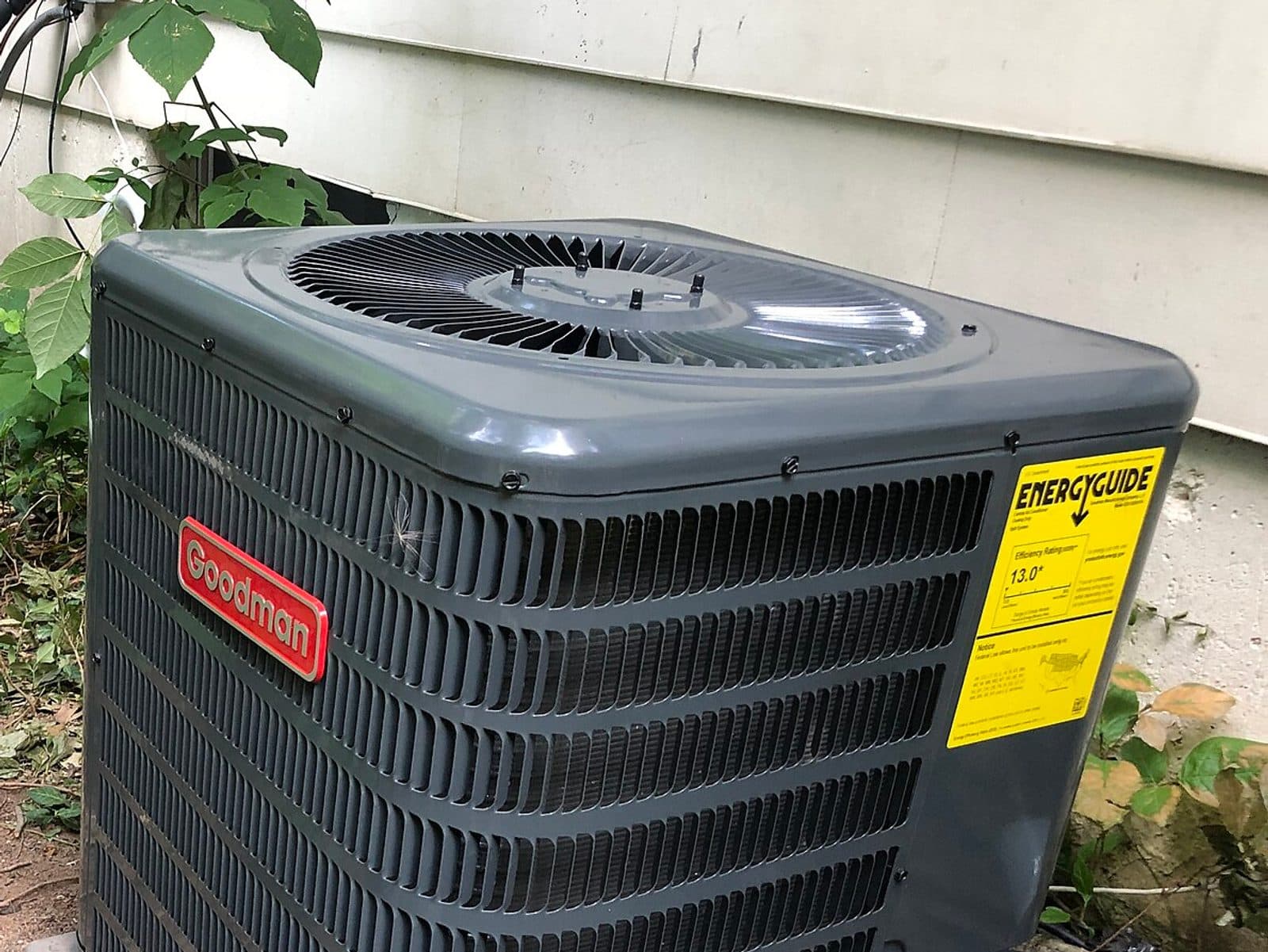
Inspections serve three moments: buying a home whose systems you did not choose, getting a second opinion before approving a major repair or replacement quote, and a pre-season check before DFW summer or a freeze snap tests the equipment. Unlike a general home inspection, which confirms that a system turns on, an HVAC inspection measures how it performs — temperature split, static pressure, electrical values, and combustion safety. It complements routine AC maintenance and heating maintenance, which clean and tune rather than evaluate.
The report separates findings into safety items, faults needing repair, and items to monitor, with the measurements behind each one. Safety findings route to a carbon monoxide safety check when combustion is involved, and end-of-life findings are documented against signs your AC needs replacing so a decision about HVAC system replacement rests on readings, not sales pressure.
HVAC Inspection at a glance
- Service
- HVAC Inspection
- Service area
- Dallas-Fort Worth, TX metro (18 towns)
- Permits
- Handled by the HVAC technician
- Pricing
- You approve the price first
Signs
Signs you need hvac inspection
Buying or selling a home
A system that runs is not the same as a system that performs. Measured inspection findings give both sides real numbers on capacity, condition, and remaining concerns before closing.
A large repair quote needs a second opinion
Compressor, coil, and heat exchanger claims should be verifiable. An independent inspection confirms or corrects the diagnosis with gauge and meter readings.
System history is unknown
After a move-in, nobody can say when the system was last serviced, charged, or repaired. A baseline inspection establishes condition and a maintenance starting point.
Problems repeat without a clear cause
Recurring breaker trips, freeze-ups, or rooms that never perform suggest a system-level cause — sizing, ducts, or charge — that a full evaluation is designed to find.
Pre-season before extreme weather
An inspection ahead of summer heat or a forecast freeze finds the weak capacitor, cracked igniter, or clogged drain while scheduling a repair is still easy.
Process
What the HVAC technician does
- 1
Step 1 — Equipment and history review
Nameplate data, age indicators, refrigerant type, and any service records are recorded, and the outdoor and indoor equipment are visually inspected end to end.
- 2
Step 2 — Measured performance testing
Temperature split, refrigerant performance, duct static pressure, capacitor and motor electrical values, and airflow are measured and logged in operating conditions.
- 3
Step 3 — Safety evaluation
On gas systems, the heat exchanger is visually inspected, venting and flame quality are checked, and drains, pans, and overflow protection are verified on cooling equipment.
- 4
Step 4 — Written findings and priorities
Findings are delivered in writing, sorted into safety, repair, and monitor items, each tied to the measurement or condition that produced it.
Pricing
What affects the cost
Every home is different, so we don't publish prices — these are the factors the HVAC technician weighs when pricing the work.
Number of systems inspected
Each condenser, furnace, and air handler set is tested separately, so two-system homes take roughly twice the measurement work.
Scope — one season or both
A cooling-only inspection is narrower than a full evaluation covering heating, combustion safety, and duct condition.
Equipment access
Attic air handlers, tight closets, and rooftop or fenced condensers slow inspection and testing compared with open garage installs.
Testing depth required
Cases needing combustion analysis, detailed duct evaluation, or leak detection beyond standard measurements add instruments and time.
Report requirements
A homeowner summary is standard; inspections documented for a real estate transaction or warranty discussion can require more detailed written findings.
DIY
What you can do — and what to leave alone
Safe for homeowners
- Collect any service records, prior quotes, and the equipment nameplate photos before the visit.
- Write down the symptoms you have noticed — rooms, noises, and when they happen — using [HVAC noises and what they mean](/resources/hvac-noises-what-they-mean/) as a reference.
- Clear access to the air handler, condenser, attic entry, and electrical panel so testing is not delayed.
Stop — call an HVAC technician
- Never treat a general home inspection as an HVAC inspection — it confirms operation only and takes none of the performance measurements.
- Never open panels or test capacitors, gas components, or refrigerant circuits yourself to prepare a findings list.
- Never ignore a safety finding to close a home purchase on schedule; exchanger and venting findings are move-in blockers until resolved.
- Never approve a replacement quote that no one will support with measurements — ask for the readings first.
- If you smell gas or a CO alarm sounds during the inspection, leave the house and call 911, then Atmos Energy.
FAQ
HVAC Inspection: common questions
How is an HVAC inspection different from maintenance?
Maintenance cleans, adjusts, and tunes a system you plan to keep running. An inspection evaluates and documents condition and performance — for a purchase, a second opinion, or a repair-versus-replace decision — and reports findings without performing repairs in the same visit.
What should an inspection cover before buying a home?
Measured cooling and heating performance, electrical condition of motors and capacitors, refrigerant and coil condition, duct static pressure and visible duct state, and combustion safety on gas equipment. Each finding should carry a reading or a photographed condition, not an opinion alone.
Does the inspection include repairs if something is found?
No. The inspection reports and prioritizes findings; repairs are quoted separately from the documented results. That separation is what makes the inspection useful as a second opinion — the findings do not depend on selling the fix.
Areas
Towns we serve
Related services
Related guides
Costs & Decisions
Signs Your AC Needs Replacing, Not Another Repair
An AC usually needs replacing when repairs repeat every season, the compressor or coil fails, energy bills climb while comfort falls, or the system uses an older refrigerant that is costly to service. One repair on a younger system is normal. A pattern of failures is the signal. A local HVAC technician in our network can lay out repair and replacement side by side in writing.
Costs & Decisions
What Determines the Cost of a New HVAC System?
The cost of a new HVAC system is set by system size and type, efficiency rating, duct condition, and the labor to install it correctly in your home. This guide lists factors only, with no prices, because an accurate quote requires a load calculation and a look at your ducts and electrical setup. A local HVAC technician in our network provides a written quote after that assessment.
Heating
Furnace Not Heating? Safe Checks for Texas Homes
A furnace that does not heat is often set wrong at the thermostat, has a clogged filter tripping a limit switch, or lost power or gas supply. Check the thermostat mode, filter, and breaker first. If you smell gas or a carbon monoxide alarm sounds, leave the house and call 911, then Atmos Energy. Do not open furnace panels.