In most DFW homes the duct system lives in the attic, where summer air sits above 130°F. Every leak on the supply side pushes cooled air into that attic, and every return-side leak pulls hot, dusty attic air into the system. North Texas clay soil shifts foundations and framing through wet and dry cycles, and that movement works duct joints and boots loose over time. Weak rooms and rising bills are often a duct problem wearing an equipment costume — compare AC repair symptoms before replacing equipment.
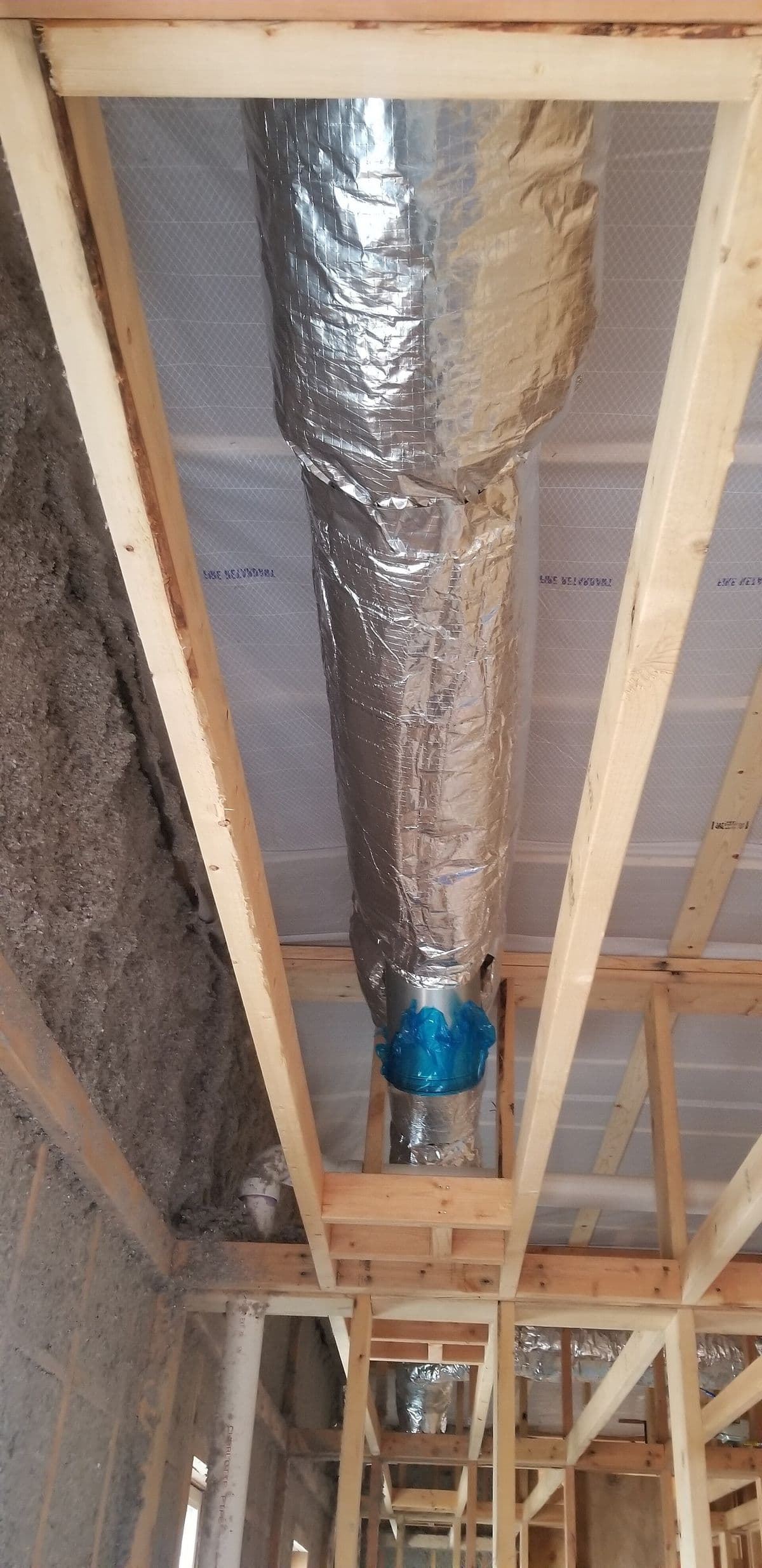
Sealing uses mastic and mesh at joints, takeoffs, and register boots — not cloth duct tape, which dries out and fails in attic heat. Crushed or torn flex duct is replaced, sagging runs are re-strapped, and disconnected runs are reconnected and sealed. The work pairs with air duct cleaning when debris entered through the leaks, and with indoor air quality work when return leaks are pulling attic dust into the house.
Duct Sealing and Repair at a glance
- Service
- Duct Sealing and Repair
- Service area
- Dallas-Fort Worth, TX metro (18 towns)
- Permits
- Handled by the HVAC technician
- Pricing
- You approve the price first
Signs
Signs you need duct sealing and repair
One or two rooms are always hot or cold
A room fed by a leaking or crushed run never gets its share of air. If the equipment cools the rest of the house evenly, the duct path to that room is the first suspect.
Bills climb while comfort stays flat
Conditioned air leaking into the attic is air you paid to cool that never reaches a room. The system runs longer to compensate, and runtime is what the electric bill measures.
Dust returns days after cleaning
Return-side leaks in the attic inhale insulation dust and attic air and deliver it to every room. Sealing the return path stops the source instead of chasing the dust.
Weak airflow at the farthest vents
Registers at the end of long runs get what is left after every upstream leak. Restoring pressure by sealing usually brings those vents back without new equipment.
Visible damage in the attic
A disconnected run blowing into the attic, flex duct crushed under stored boxes, or tape hanging off joints are direct findings. Each one is air and money leaving the system.
Process
What the HVAC technician does
- 1
Step 1 — Airflow and static pressure testing
The technician measures duct static pressure and checks airflow at registers, then inspects attic runs, boots, and plenums to locate leaks and damage.
- 2
Step 2 — Leak and damage mapping
Joints, takeoffs, and boots are checked by hand and with airflow running. Crushed, torn, or disconnected sections are marked for replacement rather than sealing.
- 3
Step 3 — Mastic sealing and duct repair
Joints are sealed with mastic and reinforcing mesh, boots are sealed to the drywall, damaged flex runs are replaced, and sagging runs are re-supported.
- 4
Step 4 — Retest and room balance check
Static pressure and register airflow are measured again, problem rooms are rechecked, and the results are compared with the first readings.
Pricing
What affects the cost
Every home is different, so we don't publish prices — these are the factors the HVAC technician weighs when pricing the work.
Number and location of leaks
A few accessible joints at the plenum are quick work. Leaks spread across many boots and takeoffs in a large attic take proportionally longer.
Amount of duct replacement
Sealing sound duct is one scope; replacing crushed or torn flex runs, or a damaged plenum section, adds materials and labor.
Duct material
Flex duct, duct board, and sheet metal each seal and repair differently, and mixed older systems can need more than one method.
Attic access and conditions
Low attics, runs buried under insulation, and ducts routed over finished ceilings are slower to reach and repair correctly.
Insulation condition on the ducts
Torn or missing duct insulation found during repair should be corrected at the same time, or the sealed duct still gains attic heat.
DIY
What you can do — and what to leave alone
Safe for homeowners
- Keep all supply vents open and unblocked by furniture — closing vents raises duct pressure and makes leaks worse.
- Write down which rooms run hot or cold and which vents feel weak; that list directs the airflow testing.
- Keep stored items off attic duct runs so flex duct is not crushed further before the visit.
Stop — call an HVAC technician
- Never seal joints with cloth duct tape — it dries, shrinks, and lets go in attic heat; mastic is the correct material.
- Never work in a DFW attic in the middle of a summer day — attic temperatures can cause heat illness quickly.
- Never disconnect or re-route duct runs yourself; sizing and static pressure change with every modification.
- Never compress flex duct insulation to make a run fit — crushed insulation and a pinched core both cut airflow.
- Never block a return grille to push more air elsewhere; starved returns raise pressure and noise and strain the blower.
FAQ
Duct Sealing and Repair: common questions
How do I know if my ducts are leaking?
Uneven rooms, weak far vents, dust that returns quickly, and bills rising without a comfort gain are the usual pattern. The firm answer comes from static pressure and airflow testing plus an attic inspection of joints and boots.
Why not just use duct tape on the joints?
Cloth duct tape fails in attic heat — the adhesive dries out and the tape peels within a few seasons. Mastic with reinforcing mesh stays flexible, seals the joint permanently, and is the material code and manufacturers specify for duct sealing.
Will sealing ducts fix my hot upstairs room?
It will if leaks or a crushed run are the cause, which testing confirms first. If the room's problem is duct sizing or a single thermostat controlling two floors, [HVAC zoning systems](/hvac-services/hvac-zoning-systems/) or added return air may be the right fix instead.
Areas
Towns we serve

Related guides
Troubleshooting
AC Not Cooling the House? A Step-by-Step Check
An AC that runs but does not cool the house usually has restricted airflow, a dirty outdoor coil, low refrigerant, or leaky ducts. Check the filter, confirm every supply vent is open, and rinse debris off the outdoor coil. If the indoor temperature keeps rising on a normal day, call a local HVAC technician in our network.
How-To
How to Prepare Your AC for a Texas Summer
Prepare your AC in spring by replacing the filter, clearing debris from the outdoor unit, confirming the condensate drain flows, testing cooling before the first heat wave, and scheduling a tune-up. Catching a weak capacitor, low charge, or clogged drain in April beats an emergency call in July. A local HVAC technician in our network handles the gauge and electrical checks.
Costs & Decisions
What Determines the Cost of a New HVAC System?
The cost of a new HVAC system is set by system size and type, efficiency rating, duct condition, and the labor to install it correctly in your home. This guide lists factors only, with no prices, because an accurate quote requires a load calculation and a look at your ducts and electrical setup. A local HVAC technician in our network provides a written quote after that assessment.