Local knowledge
HVAC work in Lewisville
- Old Town and central Lewisville 1960s-80s homes: single systems, slab or pier foundations depending on the street, and ductwork of mixed age and material.
- Castle Hills large homes: two-story and larger plans with dual or zoned systems, high ceilings, and extensive glass that adds cooling load.
- Lake Lewisville area homes in 75056: older lake houses and newer builds mixed, with outdoor units exposed to humid lake air year-round.
- Hebron and Vista Ridge growth: 1990s-2010s subdivisions with standard attic systems now cycling into replacement age together.
Lake Lewisville humidity and coil corrosion
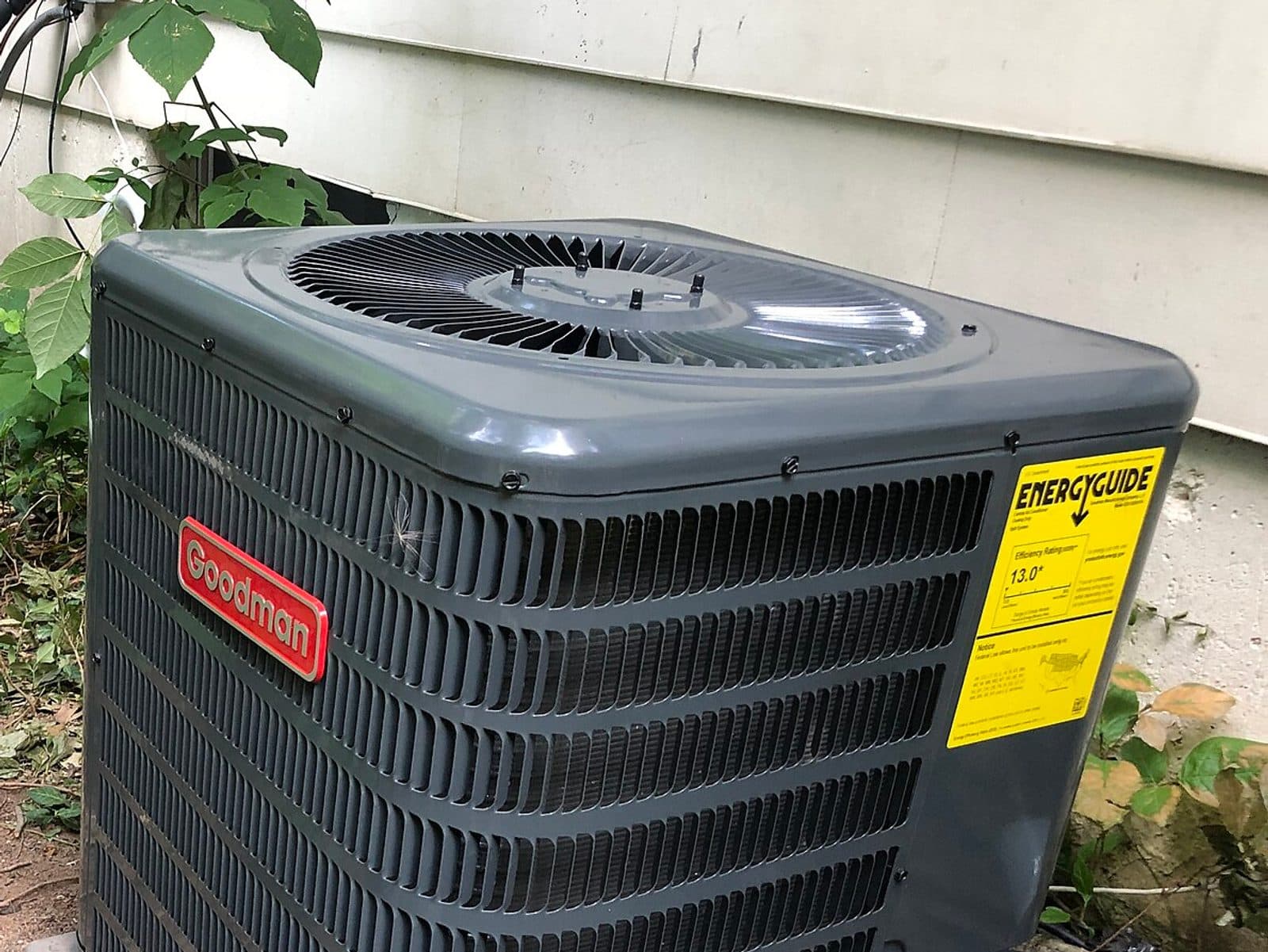
Homes near Lake Lewisville in western Lewisville sit in humid air that accelerates corrosion on outdoor coils, electrical connections in disconnects, and condensate components. Systems lose efficiency gradually as fin material degrades. Maintenance in the lake area should include coil condition grading and connection checks, so a homeowner can plan replacement from condition rather than from a mid-summer failure.
Castle Hills dual-system balance
Castle Hills homes often have a downstairs system that handles high ceilings and glass and an upstairs system under the roof, and the two were not always balanced together at construction. Homeowners feel it as a house that is comfortable on one floor only. Checking both systems in one visit, including inter-zone airflow through open stairwells, gives a correct picture that single-system visits miss.
City of Lewisville permits and CoServ service
Mechanical permits in Lewisville go through the City of Lewisville Community Development department. Replacements need a permit pulled by a TDLR-licensed contractor and an inspection. Much of Lewisville is CoServ Electric territory, including Castle Hills, while other pockets are Oncor. Confirming the provider for the address matters for any service or meter coordination tied to the job.
Common calls
What Lewisville homeowners ask for
AC Repair
AC repair fixes the failed part — capacitor, blower motor, contactor, or control board — that stops a system from cooling. In Dallas–Fort Worth heat, call HVACServicess at (214) 555-0147 to connect with a local HVAC technician in our network who can diagnose the fault on site.
Whole-Home Dehumidifier
A whole-home dehumidifier removes moisture from return air independently of cooling calls, so indoor humidity stays controlled on humid days when the AC barely runs. Call HVACServicess at (214) 555-0147 to connect with a local HVAC technician in our network who sizes the unit to the home and ties it into the duct system and a drain.
Heat Pump Repair
Heat pump repair fixes the reversing valve, defrost control, refrigerant, or auxiliary heat fault that stops a heat pump from heating or cooling. Call HVACServicess at (214) 555-0147 to connect with a local HVAC technician in our network. In a freeze, a heat pump without working aux heat is an urgent call.
Emergency AC Repair
Emergency AC repair is urgent diagnosis when cooling fails completely during extreme heat, especially with infants, older adults, or medical needs in the home. Call HVACServicess at (214) 555-0147 to connect with a local HVAC technician in our network. If anyone shows signs of heat illness, call 911 first.
AC Installation
AC installation replaces or adds a cooling system sized to the home with a Manual J load calculation, matched condenser and evaporator coil, and verified airflow. Call HVACServicess at (214) 555-0147 to connect with a local HVAC technician in our network.
Also available: emergency HVAC help and all 24 HVAC services.
Lewisville at a glance
- County
- Denton County
- ZIP codes
- 75056, 75057, 75067, 75077
- Permit office
- City of Lewisville building department
FAQ
Lewisville HVAC FAQ
Who issues mechanical permits in Lewisville?
The City of Lewisville Community Development department issues mechanical permits and performs inspections. The permit is pulled by a TDLR-licensed contractor for replacements and new installations.
Does living near Lake Lewisville shorten AC life?
Humid lake air can speed corrosion on outdoor coils and electrical connections compared with inland lots, especially for units with little clearance or heavy shade that stays damp. Regular coil inspection and cleaning, plus connection checks during maintenance, slow that wear and catch degradation before it becomes a failure.
Related guides
Troubleshooting
AC Not Cooling the House? A Step-by-Step Check
An AC that runs but does not cool the house usually has restricted airflow, a dirty outdoor coil, low refrigerant, or leaky ducts. Check the filter, confirm every supply vent is open, and rinse debris off the outdoor coil. If the indoor temperature keeps rising on a normal day, call a local HVAC technician in our network.
Cooling
Frozen AC Coil: Why It Happens and What to Do
A frozen evaporator coil is caused by too little airflow across the coil or too little refrigerant inside it. Turn the cooling off, set the fan to ON to thaw the coil, and replace a clogged filter. Once thawed, a local HVAC technician in our network must fix the airflow or leak cause, or the coil will freeze again.
How-To
How to Prepare Your AC for a Texas Summer
Prepare your AC in spring by replacing the filter, clearing debris from the outdoor unit, confirming the condensate drain flows, testing cooling before the first heat wave, and scheduling a tune-up. Catching a weak capacitor, low charge, or clogged drain in April beats an emergency call in July. A local HVAC technician in our network handles the gauge and electrical checks.
Nearby