Serving Dallas-Fort Worth & 17 surrounding towns
Free referral service
Cooling · Heating · Air Quality
Serving Dallas-Fort Worth & 17 surrounding towns
Free referral service
Cooling · Heating · Air Quality
Learn
Written for Dallas-Fort Worth-area homeowners: what's happening, what you can safely check, and when to call a local HVAC technician.
Updated 2026-10-24
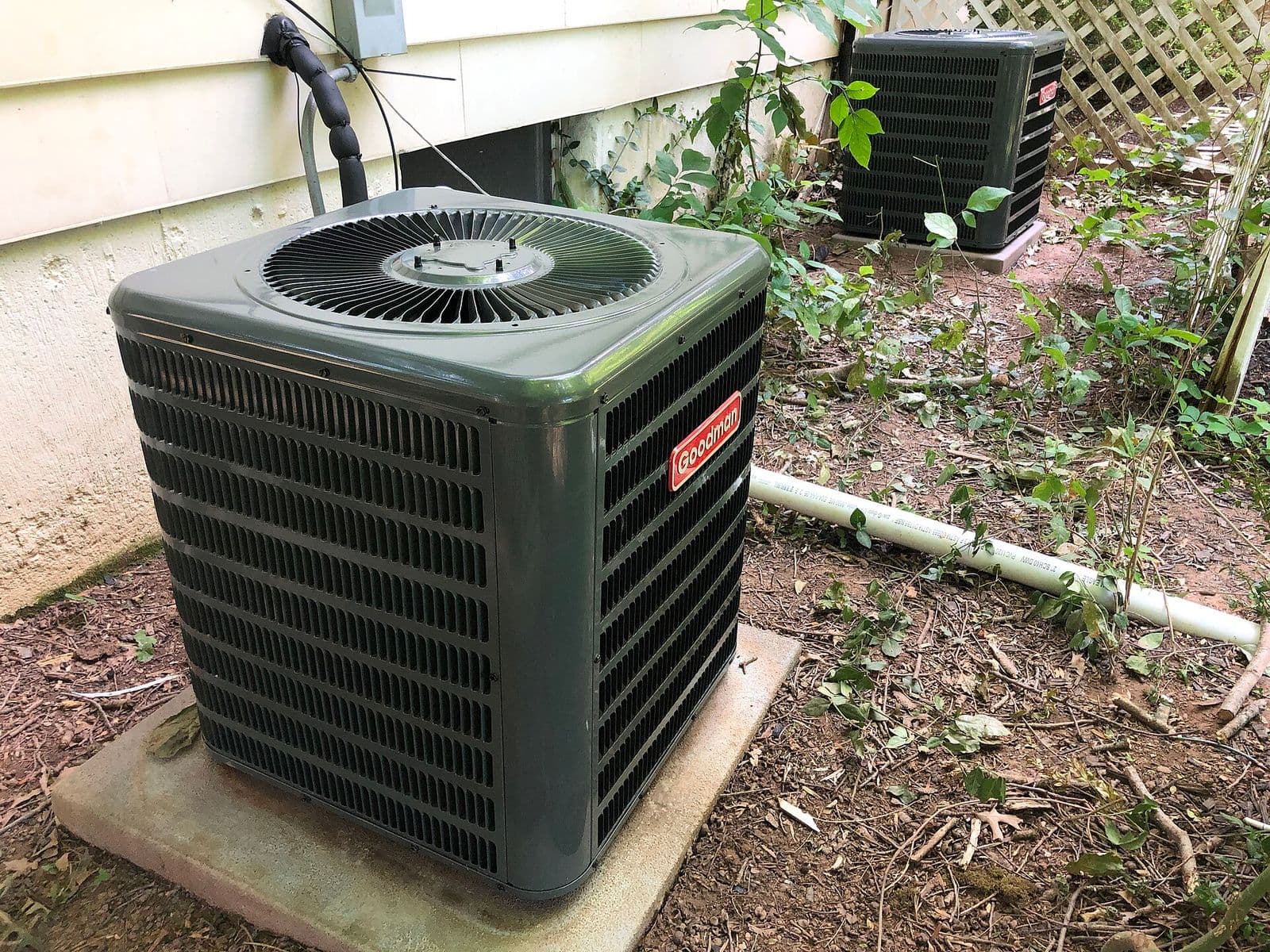
An AC blowing warm air is most often set to fan-only or heat by mistake, has a clogged filter, lost power to the outdoor unit, or is low on refrigerant. Check the thermostat mode, filter, and outdoor disconnect first. If the outdoor unit runs but the air stays warm, call a local HVAC technician in our network for diagnosis.
Updated 2026-10-24
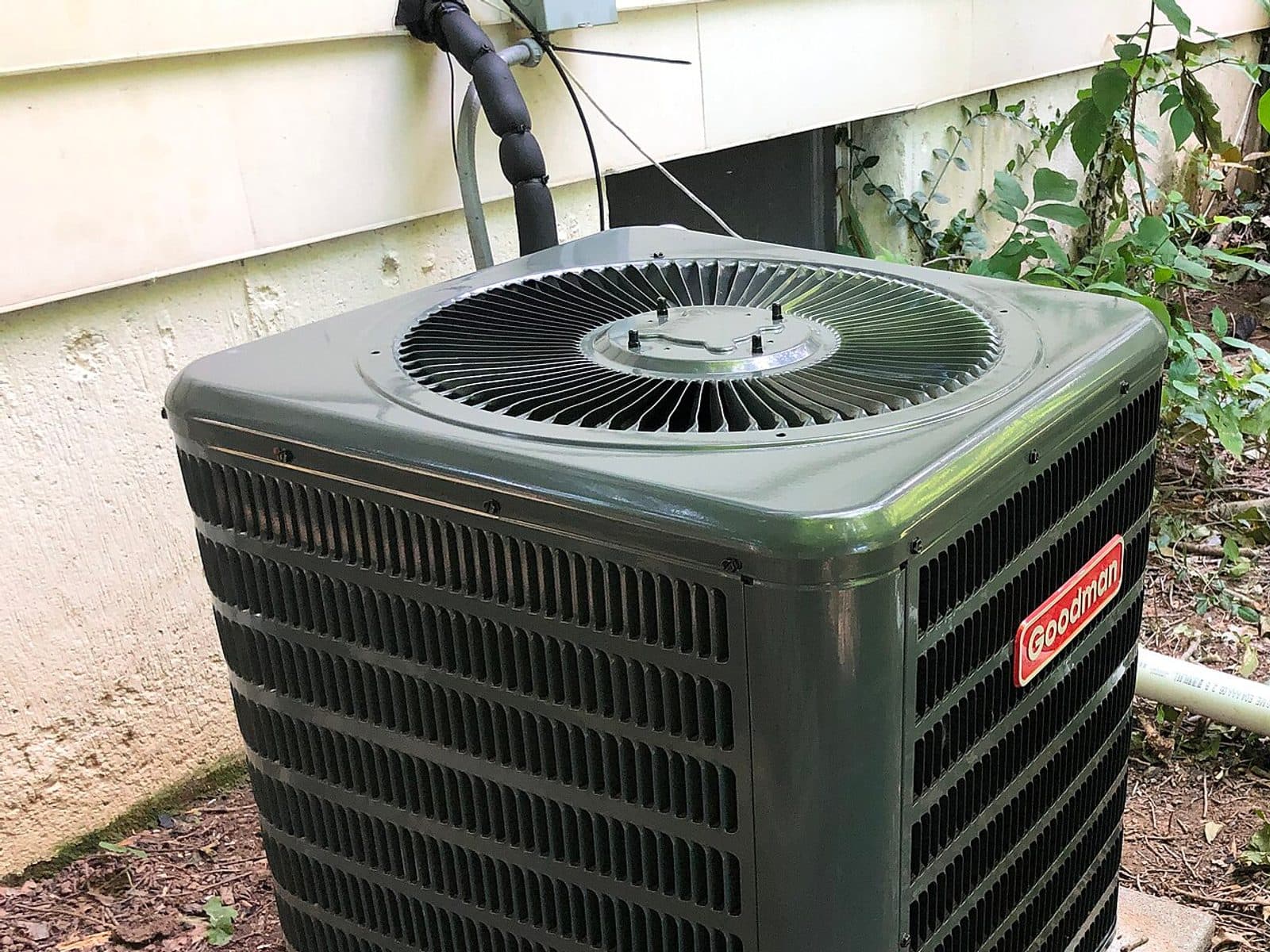
An AC that runs but does not cool the house usually has restricted airflow, a dirty outdoor coil, low refrigerant, or leaky ducts. Check the filter, confirm every supply vent is open, and rinse debris off the outdoor coil. If the indoor temperature keeps rising on a normal day, call a local HVAC technician in our network.
Updated 2026-10-24
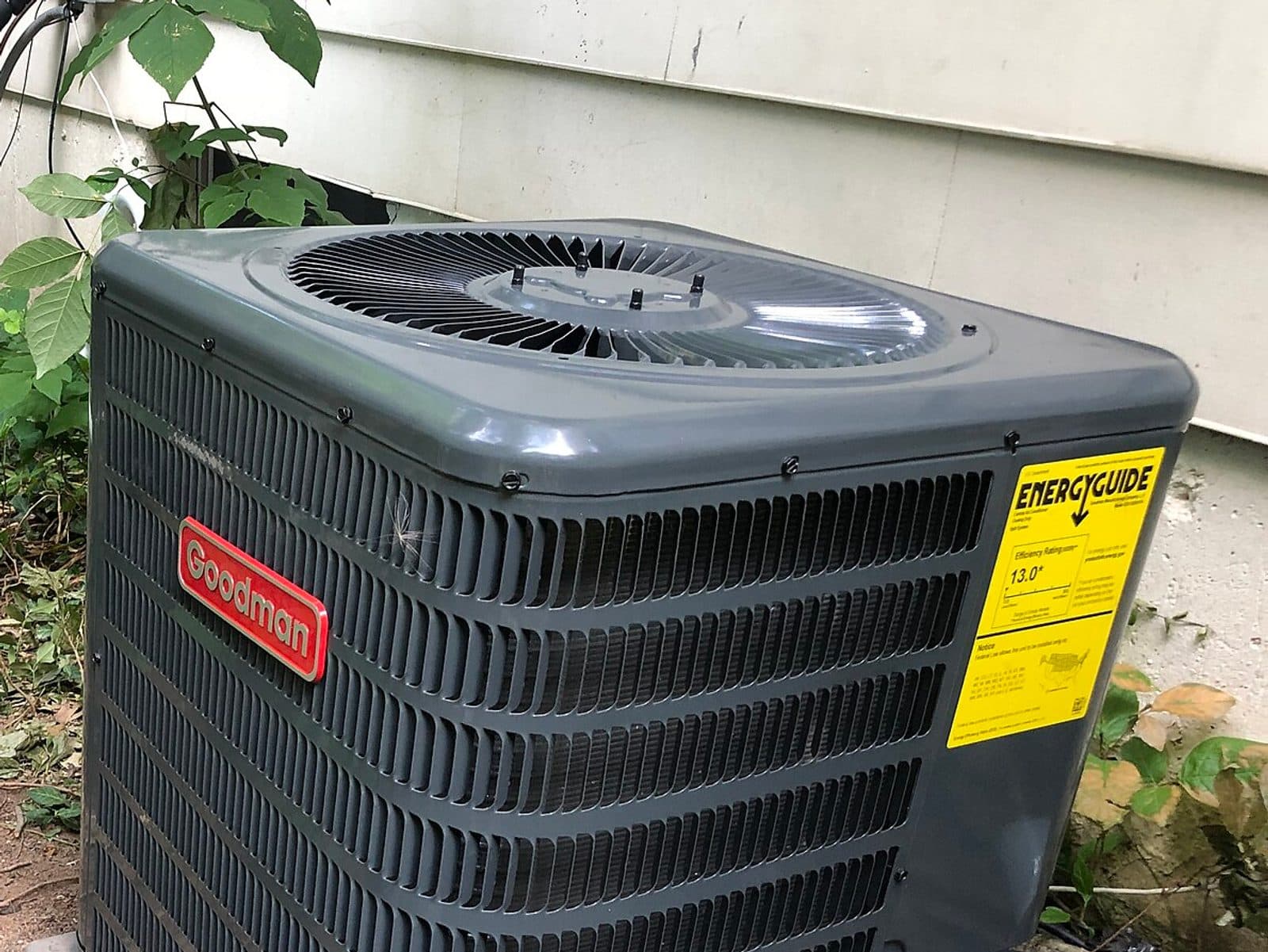
Short cycling is when the AC starts, runs for only a few minutes, shuts off, and restarts again and again. Common causes are an oversized system, low refrigerant, a clogged filter, a frozen coil, or a thermostat in the wrong spot. Because frequent starts wear the compressor, get it checked promptly by a local HVAC technician in our network.
Updated 2026-10-24
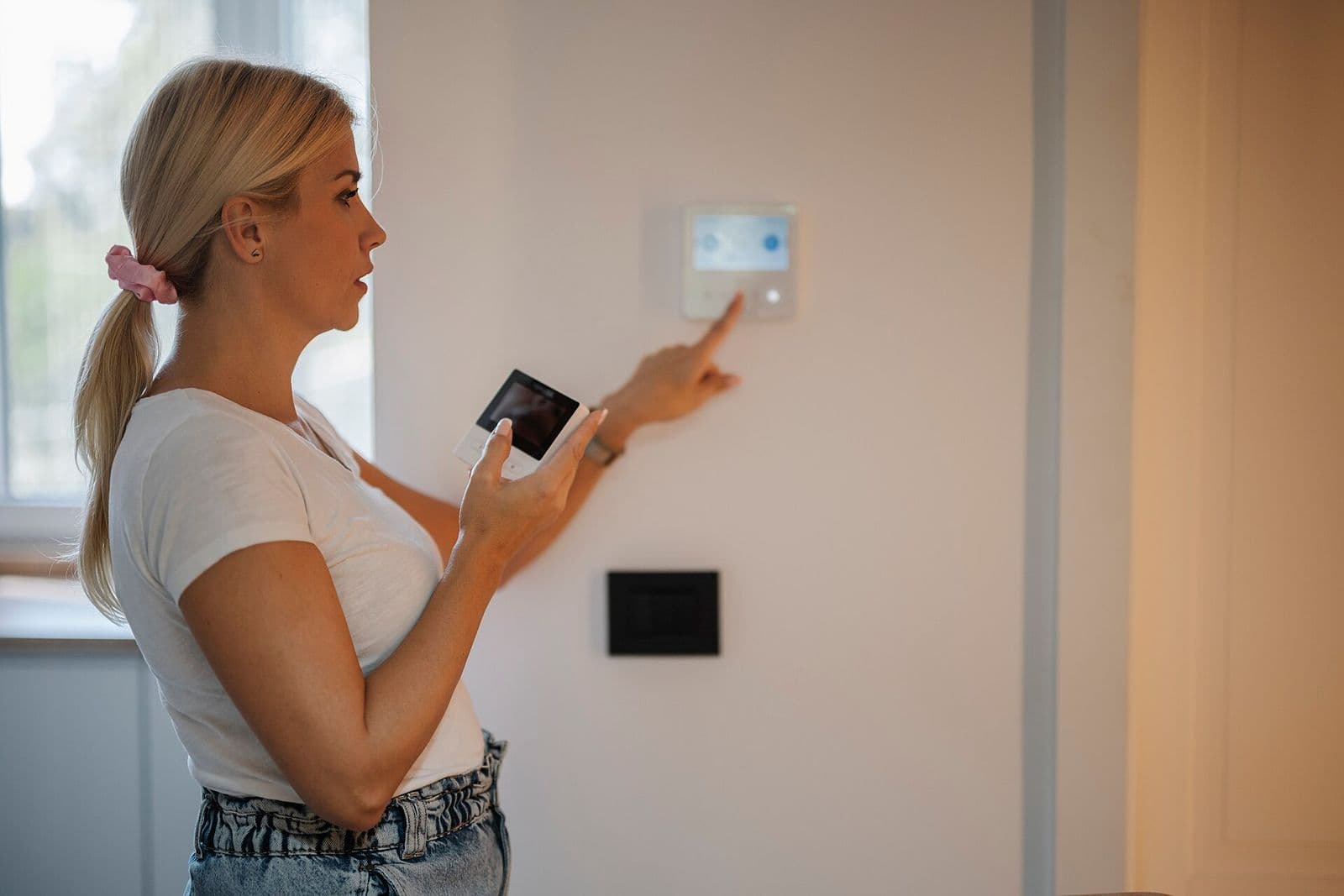
A thermostat that is blank or unresponsive usually lost power from dead batteries, a tripped breaker, or a condensate float switch that cut power to stop a water overflow. Replace batteries and check the breaker and drain pan first. If the screen returns but the system still will not run, call a local HVAC technician in our network.
Updated 2026-10-24
Banging often means loose or broken blower or compressor parts, squealing points to a belt or motor bearing, rattling is usually loose panels or debris, and loud buzzing suggests an electrical fault. A hissing sound can mean a refrigerant leak. Turn the system off for grinding, loud banging, or electrical buzzing and call a local HVAC technician in our network.
Updated 2026-10-24
Change a standard 1-inch filter every 1 to 3 months, and check it monthly during Dallas–Fort Worth summer when the system runs daily. Homes with pets, allergies, or nearby construction need monthly changes. If you cannot see light through the filter, it is already overdue.
Updated 2026-10-24
Prepare your AC in spring by replacing the filter, clearing debris from the outdoor unit, confirming the condensate drain flows, testing cooling before the first heat wave, and scheduling a tune-up. Catching a weak capacitor, low charge, or clogged drain in April beats an emergency call in July. A local HVAC technician in our network handles the gauge and electrical checks.
Updated 2026-10-24
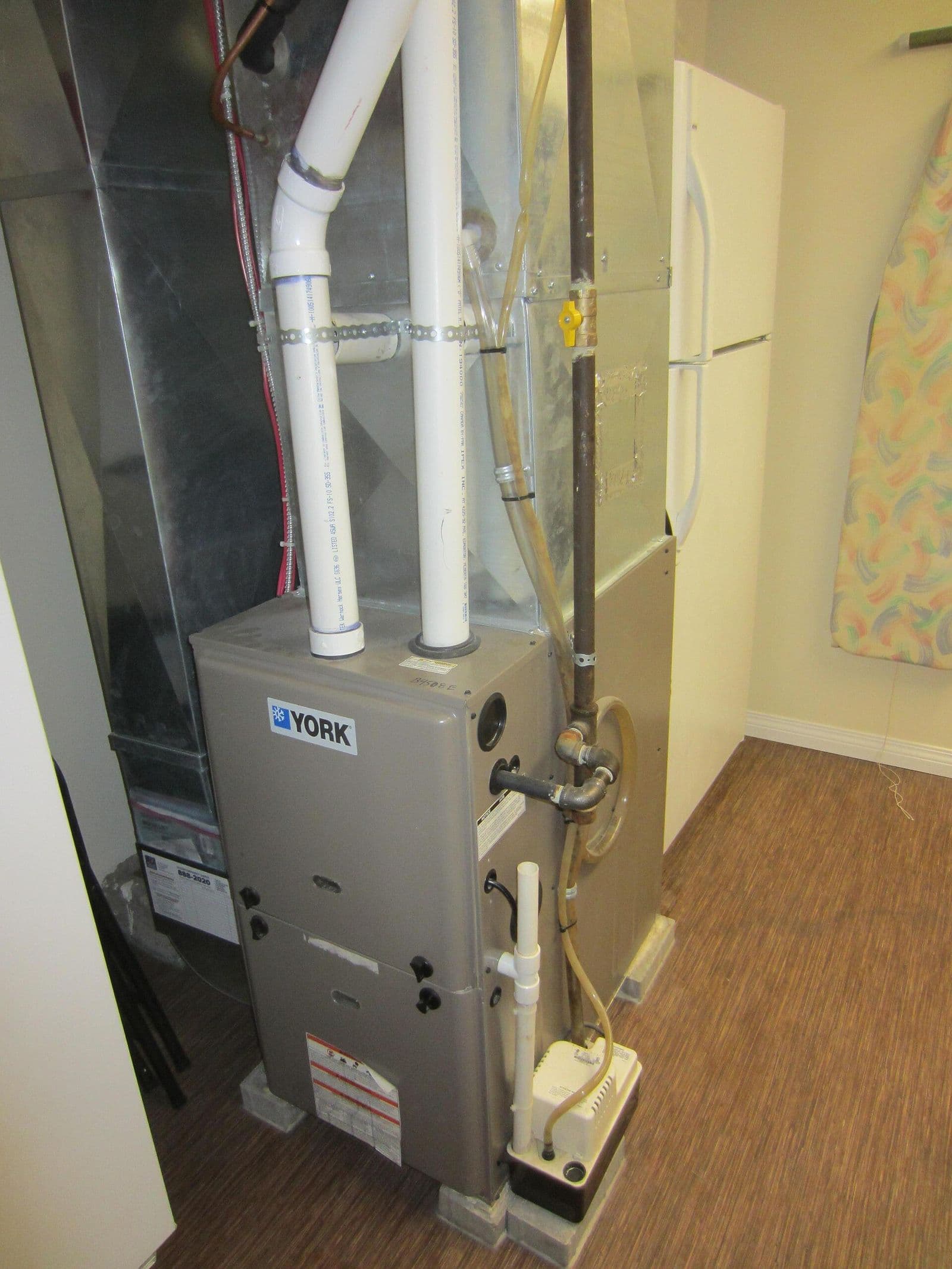
The cost of a new HVAC system is set by system size and type, efficiency rating, duct condition, and the labor to install it correctly in your home. This guide lists factors only, with no prices, because an accurate quote requires a load calculation and a look at your ducts and electrical setup. A local HVAC technician in our network provides a written quote after that assessment.
Updated 2026-10-24
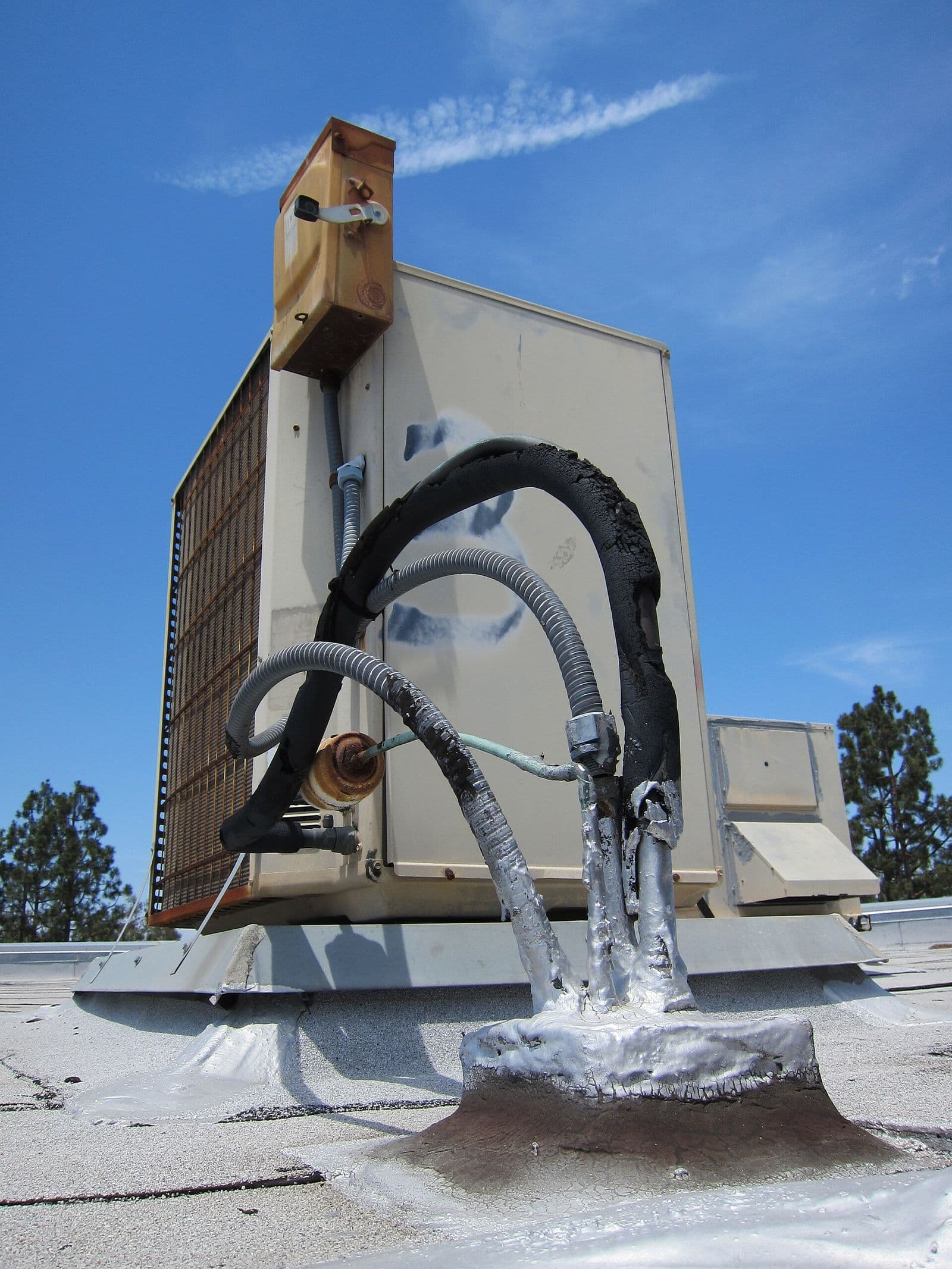
For most Dallas–Fort Worth homes, a heat pump heats efficiently through typical winter weather and cools in summer with the same equipment, while a gas furnace delivers stronger heat output during hard freezes if gas service is already at the home. The right choice depends on gas availability, winter comfort preference, and backup heat planning. A local HVAC technician in our network can compare both for your home.
Updated 2026-10-24
An AC usually needs replacing when repairs repeat every season, the compressor or coil fails, energy bills climb while comfort falls, or the system uses an older refrigerant that is costly to service. One repair on a younger system is normal. A pattern of failures is the signal. A local HVAC technician in our network can lay out repair and replacement side by side in writing.
HVACServicess
Tell us what's going on — we'll connect you with a local HVAC technician in our network.