Duct cleaning has a specific job: removing material that is actually in the ducts. Renovation dust, drywall debris from a remodel, insulation that fell into a damaged run, and debris left from construction are real cases. Routine household dust on surfaces is a different problem, handled by filtration and indoor air quality work rather than cleaning alone. An honest inspection comes first, including whether damaged ducts should get duct sealing and repair instead.
The cleaning process puts the duct system under negative pressure with a large vacuum, then agitates each run so loosened material moves to the vacuum instead of into the rooms. Registers, returns, and accessible blower and coil surfaces are part of the same visit. Cleaning pairs with regular filter changes — see how often to change your AC filter — and with AC maintenance when coil or blower fouling is found.
Air Duct Cleaning at a glance
- Service
- Air Duct Cleaning
- Service area
- Dallas-Fort Worth, TX metro (18 towns)
- Permits
- Handled by the HVAC technician
- Pricing
- You approve the price first
Signs
Signs you need air duct cleaning
Dust blows out of vents when the system starts
Visible puffs of dust at startup mean loose material is sitting in the supply runs. That is settled debris being re-entrained, and it is a legitimate reason to clean.
Recent remodel or drywall work
Sanding and cutting generate fine dust that the return side pulls into the duct system. Post-renovation cleaning removes that load before it circulates for seasons.
Debris or nesting material found in a duct
Insulation chunks, construction offcuts, or evidence of pests in a register boot mean the run is contaminated at that point and needs physical removal, not fragrance.
New home with unknown duct history
After a purchase, a camera or access-panel inspection shows what is actually inside the ducts. Cleaning is booked when the inspection finds a real accumulation.
Odor traced to the duct system
If a musty or sour smell appears only when the blower runs and the coil and drain check out clean, the source may be material inside the ducts that needs removal and a source check.
Process
What the HVAC technician does
- 1
Step 1 — Duct inspection and scope decision
Registers are removed and runs are inspected with a camera or access opening. The technician confirms what is in the ducts and which runs actually need cleaning.
- 2
Step 2 — System protection and vacuum setup
Furniture and floors near registers are covered, the vacuum is connected at the plenum or trunk, and the system is placed under negative pressure so loosened debris flows to the vacuum.
- 3
Step 3 — Run-by-run agitation and cleaning
Each supply and return run is agitated with brushes or air tools while under vacuum. Registers, boots, and grilles are cleaned before being refitted.
- 4
Step 4 — Blower, coil check, and findings report
The blower and evaporator coil are checked for fouling that cleaning alone cannot fix, and any crushed, leaking, or disconnected ducts found are reported with repair options.
Pricing
What affects the cost
Every home is different, so we don't publish prices — these are the factors the HVAC technician weighs when pricing the work.
Number of registers and systems
Each supply and return run is cleaned individually, and two-story DFW homes with two systems double the runs involved.
Type of contamination
Light settled dust is faster to remove than packed drywall debris, insulation, or material from a damaged, open duct run.
Duct material and layout
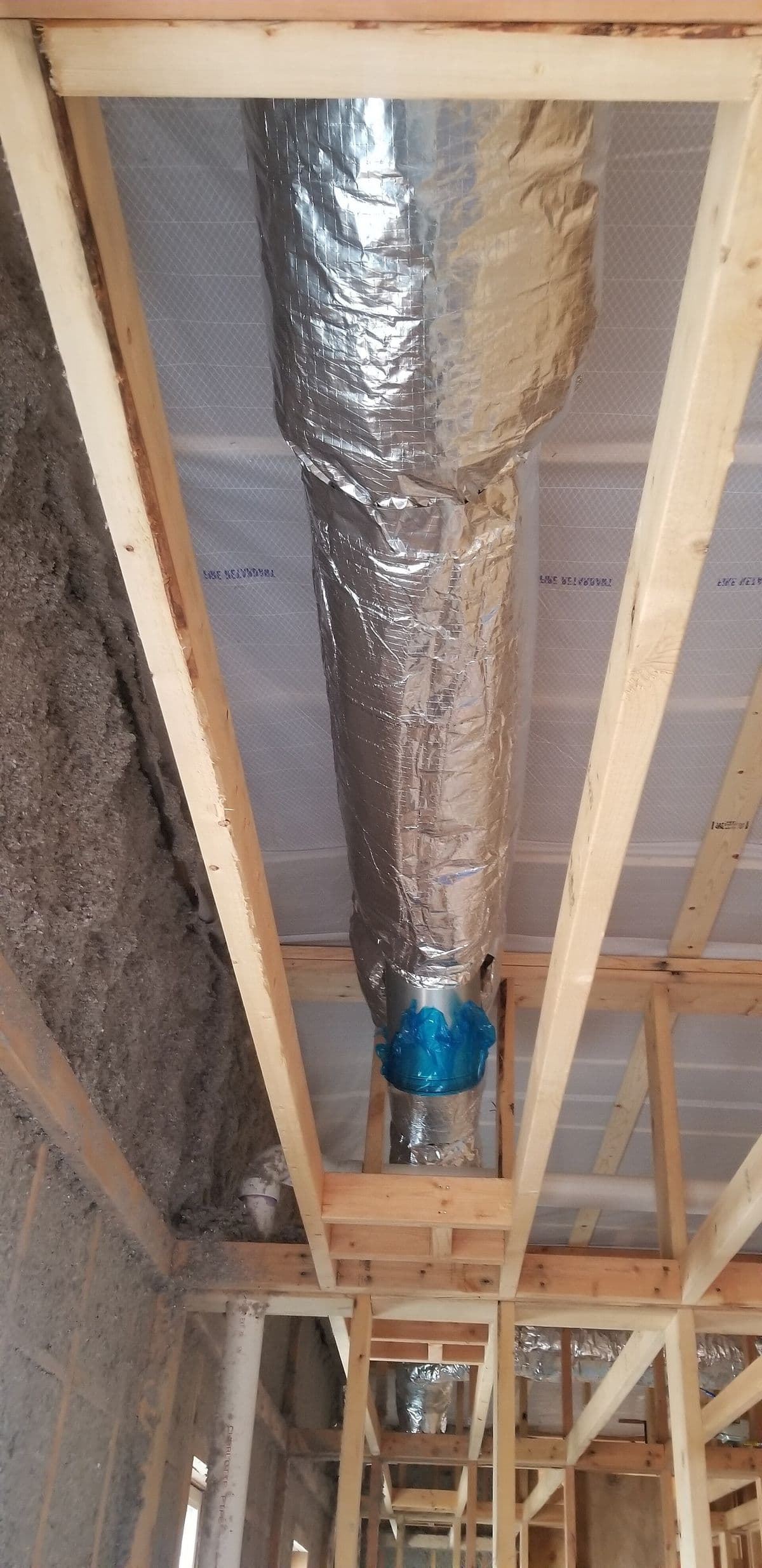
Sheet metal trunks, flex duct, and duct board each take different tools, and long attic runs with poor access take longer per run.
Access openings needed
Systems with no existing access panels need openings cut and sealed at the plenum to connect the vacuum and reach the trunk lines.
Component cleaning included
Blower wheel and evaporator coil cleaning, when fouling is found, is separate work from the duct runs themselves.
DIY
What you can do — and what to leave alone
Safe for homeowners
- Vacuum register grilles and the floor around returns with a brush attachment, and keep supply vents fully open.
- Change the air filter on schedule — the filter is what keeps cleaned ducts from loading up again.
- Note which vents blow dust or carry odors; that map helps the technician scope the inspection.
Stop — call an HVAC technician
- Never push a household vacuum hose deep into flex duct — it tears the inner liner and creates the leaks you were trying to avoid.
- Never spray disinfectants, fragrances, or sealant coatings into ducts to mask an odor; find and remove the source instead.
- Never disconnect duct runs or cut into a plenum yourself to look inside.
- Never disturb suspect duct wrap or insulation on older systems; have it identified before anything is handled.
- Never run the system with registers removed and runs open — debris and attic air pull straight into the blower.
FAQ
Air Duct Cleaning: common questions
Does duct cleaning improve cooling?
Only when debris or a fouled blower is actually restricting airflow. Cleaning does not fix low refrigerant, leaking ducts, or an undersized system — the inspection step exists to tell those causes apart before money is spent.
How is duct cleaning different from changing the filter?
The filter catches particles in the airstream at the return; duct cleaning removes material that has already settled inside the runs. Both matter, but a clean filter cannot remove drywall debris sitting in a supply trunk.
What happens if growth or moisture is found in the ducts?
Growth inside ducts means a moisture source exists — usually a drain, coil, or duct leak problem — and that source must be fixed first. The technician identifies the moisture cause and explains the correct next step rather than coating over it.
Areas
Towns we serve
Related guides
How-To
How Often Should You Change Your AC Filter?
Change a standard 1-inch filter every 1 to 3 months, and check it monthly during Dallas–Fort Worth summer when the system runs daily. Homes with pets, allergies, or nearby construction need monthly changes. If you cannot see light through the filter, it is already overdue.
How-To
How to Prepare Your AC for a Texas Summer
Prepare your AC in spring by replacing the filter, clearing debris from the outdoor unit, confirming the condensate drain flows, testing cooling before the first heat wave, and scheduling a tune-up. Catching a weak capacitor, low charge, or clogged drain in April beats an emergency call in July. A local HVAC technician in our network handles the gauge and electrical checks.