
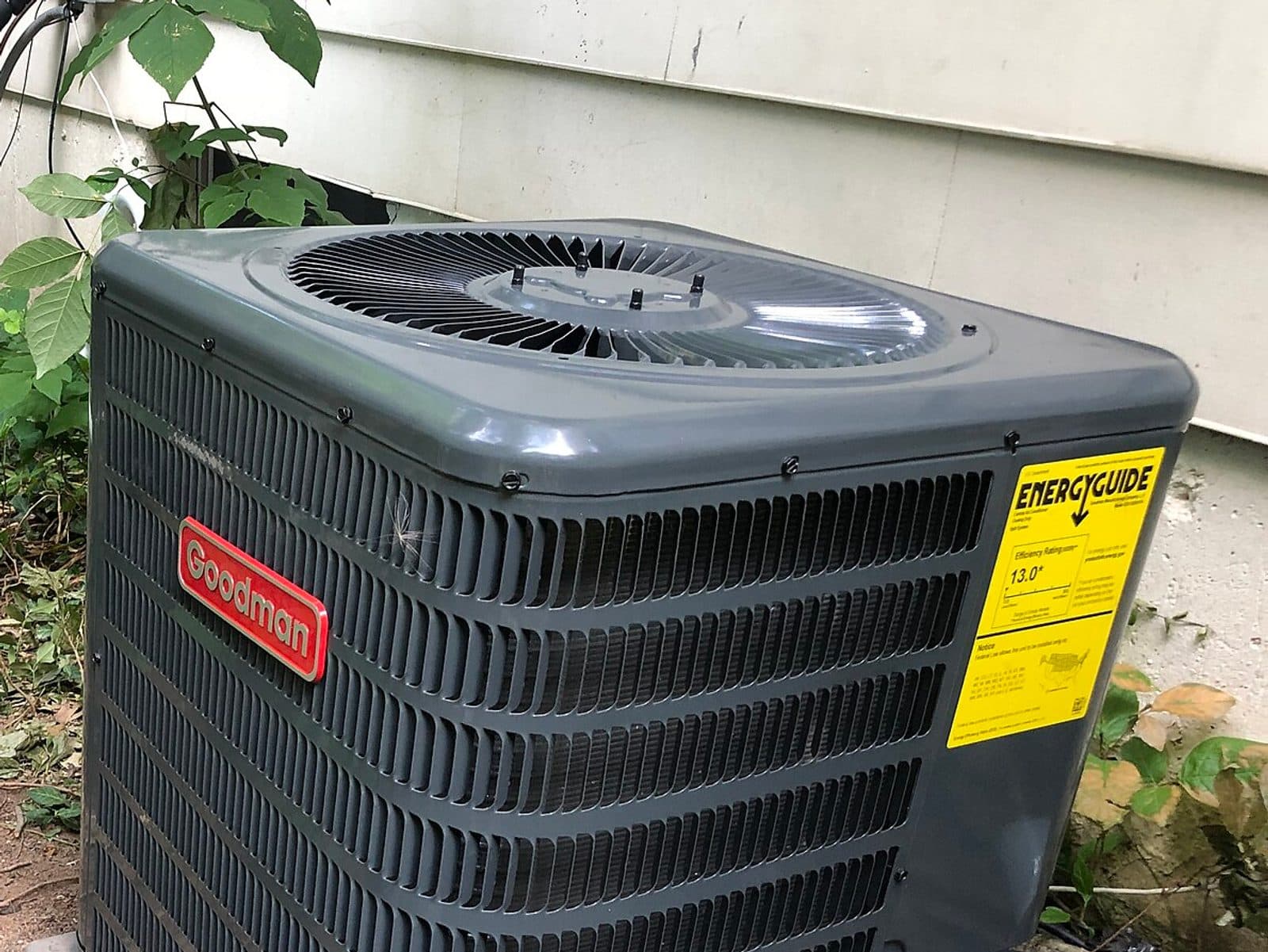
A dead AC in Dallas–Fort Worth in July is a health issue, not an inconvenience. Indoor temperatures in a home with attic ductwork can climb past 90°F by afternoon, and Oncor outages or hail damage to condensers can take cooling out for a whole block at once. The first checks are simple: thermostat, filter, breaker, and whether the outdoor unit runs at all — the AC not cooling guide walks through them in order.
Emergency diagnosis focuses on restoring safe cooling fast: capacitor and contactor failures, blower motor failures, frozen coils, overflow shutoffs, and control faults. The technician stabilizes the system first, then explains the full repair. For non-urgent faults, standard AC repair covers the same diagnosis on a scheduled visit, and AC maintenance prevents many of these failures.
Emergency AC Repair at a glance
- Service
- Emergency AC Repair
- Service area
- Dallas-Fort Worth, TX metro (18 towns)
- Permits
- Handled by the HVAC technician
- Pricing
- You approve the price first
Signs
Signs you need emergency ac repair
No cooling at all during a heat wave
Thermostat calls for cooling, but no cold air comes out and indoor temperature keeps rising. With vulnerable people in the home, treat this as urgent and call right away.
Outdoor unit silent or only humming
A condenser that hums but will not start often has a failed capacitor or a seized fan motor. Turn it off at the thermostat — a humming compressor can overheat and fail completely.
Breaker trips every time the AC starts
A breaker that trips on startup points to a shorted compressor, failed fan motor, or wiring fault. Do not keep resetting it; the fault needs testing, not force.
Water leaking through the ceiling
Attic air handlers with a clogged drain or cracked pan drip onto ceilings fast. Shut the system off to stop condensate production and call — water damage grows by the hour.
Burning smell from vents or the air handler
An electrical burning odor means a motor, board, or wiring is overheating. Turn the system off at the breaker and do not run it again until the technician inspects it.
Process
What the HVAC technician does
- 1
Step 1 — Phone triage and safe shutdown
On the call, you describe the symptoms, thermostat reading, and any smells, ice, or water. You are told what to switch off safely while the technician is arranged.
- 2
Step 2 — Rapid fault isolation
The technician tests the capacitor, contactor, motors, and controls first — the parts that fail most in Texas heat — then checks charge and airflow if the system runs.
- 3
Step 3 — Stabilizing repair
The failed part is replaced or the system is made safe. If a compressor or coil part must be ordered, the technician explains the options and timeline plainly.
- 4
Step 4 — Full cooling verification
Supply temperature, airflow, drain operation, and a full cooling cycle are verified before the visit closes, with notes on anything else testing weak.
Pricing
What affects the cost
Every home is different, so we don't publish prices — these are the factors the HVAC technician weighs when pricing the work.
Failed component
Capacitors and contactors are at one end of the scale; compressor, coil, and blower motor failures involve larger parts and more labor.
Timing of the failure
Failures found during extreme heat events often coincide with hail or outage damage that adds inspection and repair steps.
System age and parts availability
Older systems and less common tonnages can require ordered parts, while common DFW residential parts are usually stocked locally.
Water or electrical damage present
Overflow damage, a burned control board, or scorched wiring found with the main fault expands the repair beyond the first symptom.
Access conditions
Attic work in extreme heat, tight air handler closets, and fenced or rooftop condensers affect how long safe repair takes.
DIY
What you can do — and what to leave alone
Safe for homeowners
- Check the thermostat is on Cool, replace a clogged filter, and confirm the breaker and outdoor disconnect are on — once.
- Move people and pets to the coolest room, close blinds on sun-facing windows, and use fans while you wait.
- If the coil is frozen, turn cooling off and the fan on to thaw it, and place a towel under any dripping indoor unit.
Stop — call an HVAC technician
- Never open the condenser or air handler electrical panels — a capacitor can discharge even with the breaker off.
- Never keep resetting a tripping breaker or bypass an overflow or safety switch to force cooling.
- Never add refrigerant or attempt compressor work; EPA 608 certification is required for refrigerant handling.
- Never run the system with a burning smell — switch it off at the breaker and keep it off.
- If anyone feels dizzy, nauseous, or confused from heat, or a CO alarm sounds, leave and call 911.
FAQ
Emergency AC Repair: common questions
What counts as an AC emergency?
Complete loss of cooling during extreme heat counts, especially with infants, older adults, or medical equipment in the home. Burning smells, repeated breaker trips, and ceiling water leaks also need urgent attention — start with the [AC not cooling guide](/resources/ac-not-cooling/).
My AC hums but will not start — what is it?
A humming condenser that will not start is most often a failed capacitor or fan motor. Turn the system off at the thermostat so the compressor does not overheat, and have the technician test both parts.
Should I turn the AC off if water is leaking?
Yes. Shutting the system off stops condensate from forming and limits ceiling damage. Leave the drain and pan work to the technician, who will clear the clog and test the overflow switch.
Areas
Towns we serve
Related guides
Troubleshooting
AC Not Cooling the House? A Step-by-Step Check
An AC that runs but does not cool the house usually has restricted airflow, a dirty outdoor coil, low refrigerant, or leaky ducts. Check the filter, confirm every supply vent is open, and rinse debris off the outdoor coil. If the indoor temperature keeps rising on a normal day, call a local HVAC technician in our network.
Troubleshooting
AC Blowing Warm Air? Causes and What to Check
An AC blowing warm air is most often set to fan-only or heat by mistake, has a clogged filter, lost power to the outdoor unit, or is low on refrigerant. Check the thermostat mode, filter, and outdoor disconnect first. If the outdoor unit runs but the air stays warm, call a local HVAC technician in our network for diagnosis.
Cooling
Frozen AC Coil: Why It Happens and What to Do
A frozen evaporator coil is caused by too little airflow across the coil or too little refrigerant inside it. Turn the cooling off, set the fan to ON to thaw the coil, and replace a clogged filter. Once thawed, a local HVAC technician in our network must fix the airflow or leak cause, or the coil will freeze again.