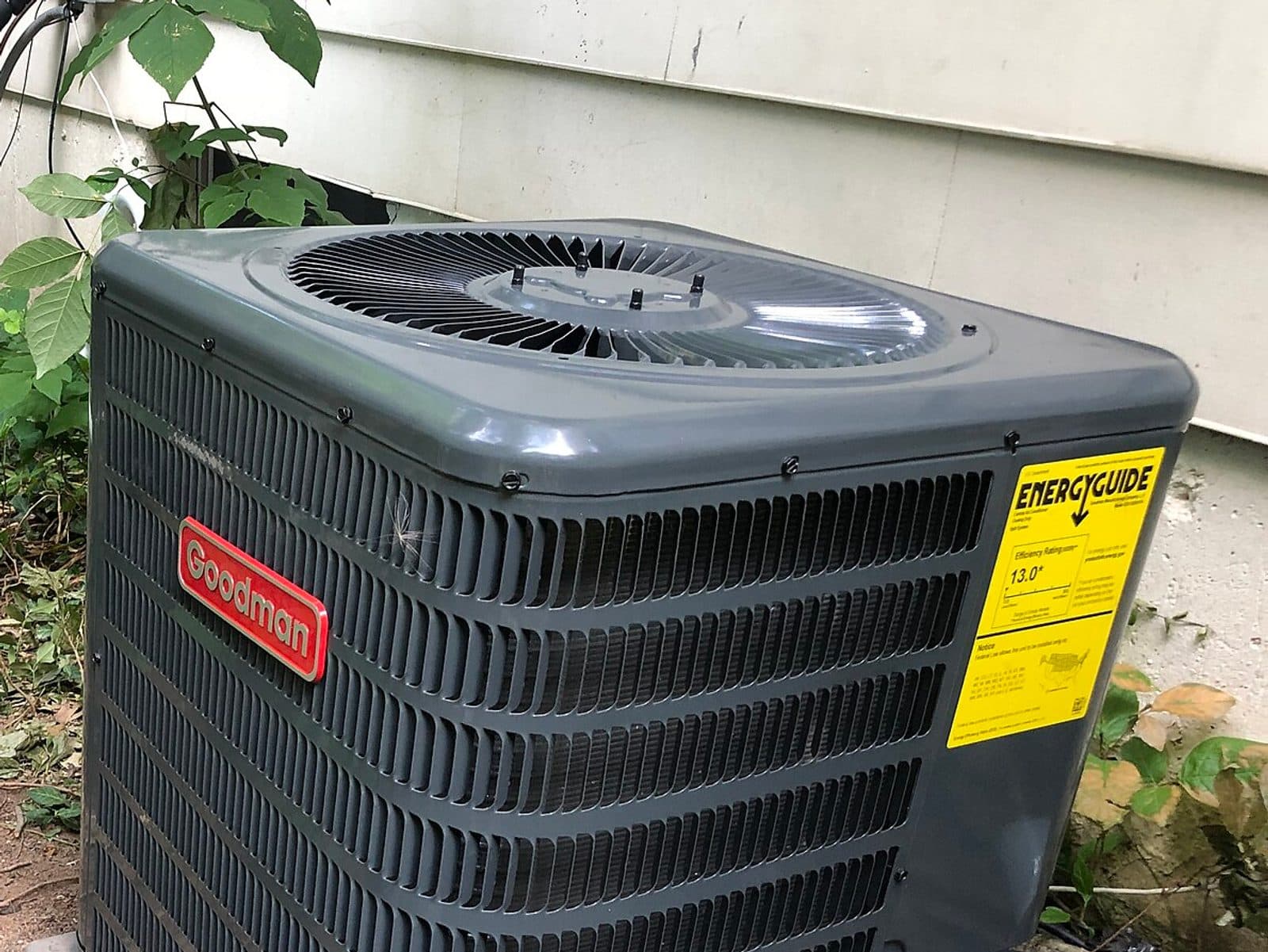
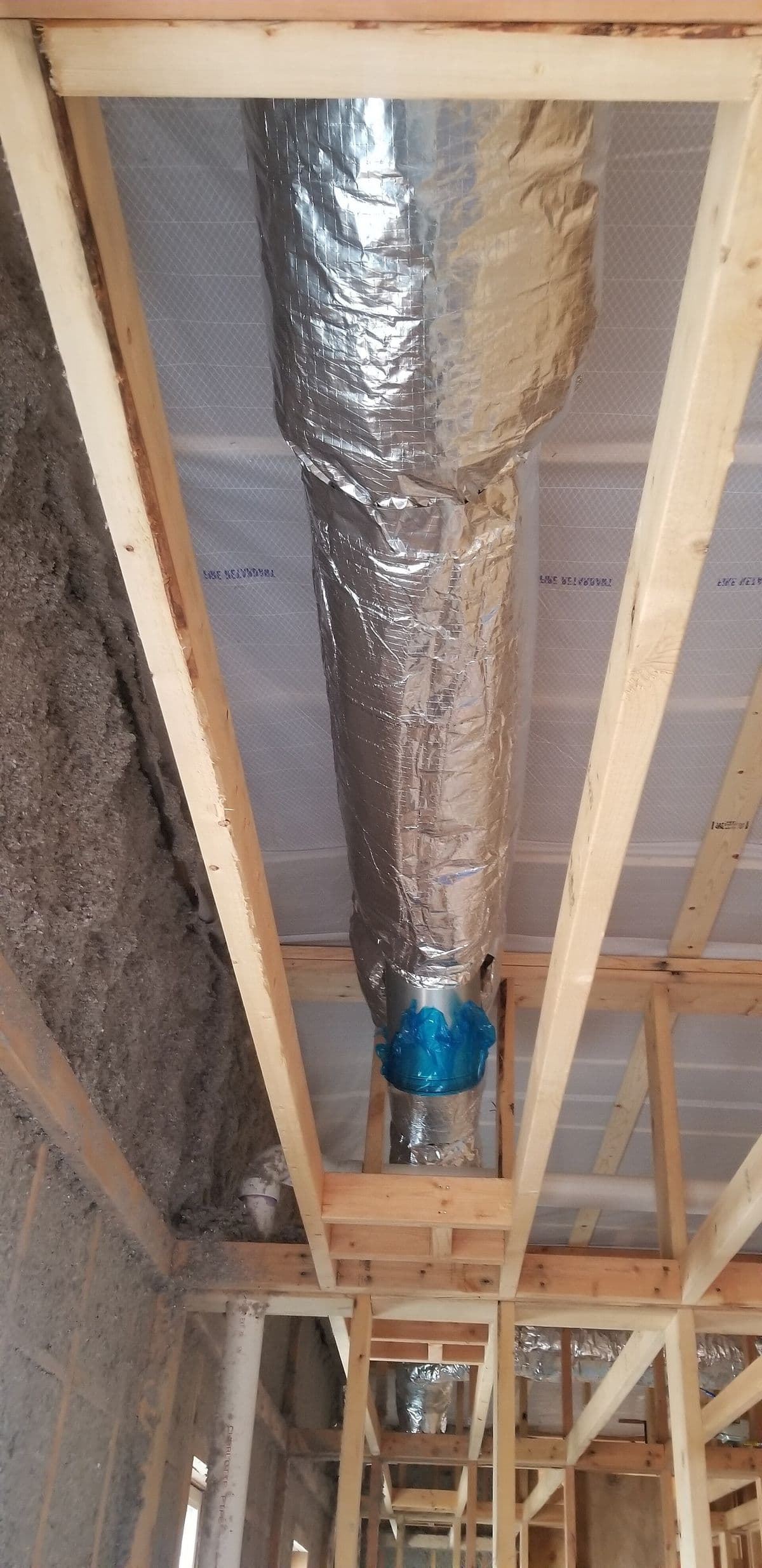
DFW homes fight air quality from two directions. Outdoor dust, pollen, and construction grit load filters fast, while indoor moisture from showers, cooking, and Gulf humidity feeds odors and growth in dark duct and drain areas. Newer tight-built homes trap all of it inside; older homes pull attic air through leaking returns. The assessment separates those causes before any equipment is discussed — start with how often to change your AC filter.
The fix is a combination, chosen per home: filtration matched to the blower, humidity control, fresh air, and source removal. Options include air purifier installation, a whole-home dehumidifier, ventilation services, and air duct cleaning when inspection shows material inside the ducts.
Indoor Air Quality at a glance
- Service
- Indoor Air Quality
- Service area
- Dallas-Fort Worth, TX metro (18 towns)
- Permits
- Handled by the HVAC technician
- Pricing
- You approve the price first
Signs
Signs you need indoor air quality
Dust settles on surfaces within days
Fast dust buildup usually means a filter that is too thin for the load, a bypass gap at the filter slot, or return leaks pulling attic air past the filter entirely.
Musty or sour odor when the blower runs
Odor that follows the blower points to the coil, drain pan, or duct system rather than the rooms. The source has to be found and cleaned or dried, not covered with fragrance.
Air feels sticky even at the set temperature
Humidity that the AC does not remove — common in spring and fall when cooling runs are short — leaves air clammy and rooms smelling stale. That is a moisture problem, not a temperature problem.
Cooking and household odors linger for hours
Tight newer homes with weak exhaust ventilation hold odors because little air is exchanged. Controlled fresh air and working exhaust fans clear them without opening windows in August heat.
Condensation on windows or supply grilles
Water forming on glass or grilles shows indoor moisture is meeting a cold surface. Sustained condensation feeds growth on drywall and in duct liners near the grille.
Process
What the HVAC technician does
- 1
Step 1 — Home and system assessment
The technician checks the filter type and fit, reads indoor humidity, inspects the coil and drain, and reviews duct condition, returns, and exhaust fans room by room.
- 2
Step 2 — Source control first
Leaks, standing drain water, and dirty components found during assessment are corrected or quoted first, because no add-on device performs on top of an active source.
- 3
Step 3 — Equipment plan matched to findings
Filtration, humidity, or ventilation equipment is selected for the measured problem and confirmed compatible with blower capacity and duct static pressure.
- 4
Step 4 — Installation and verification readings
Equipment is installed and humidity, airflow, and static pressure are re-measured so the result is a number, not a promise.
Pricing
What affects the cost
Every home is different, so we don't publish prices — these are the factors the HVAC technician weighs when pricing the work.
What the assessment actually finds
A filter-slot bypass is a small correction. A leaking return system, a fouled coil, and high humidity together are a larger, staged project.
Filtration level selected
A media cabinet with a deep filter differs in scope from an electronic air cleaner or a UV installation at the coil.
Humidity equipment needed
Homes needing a whole-home dehumidifier add equipment, duct tie-in, and drain work beyond filtration alone.
Ventilation corrections
Adding a fresh-air intake or replacing bath fans that vent into the attic adds duct and termination work to the plan.
Number of systems in the home
Two-story homes with separate upstairs and downstairs systems need the assessment and any equipment applied per system.
DIY
What you can do — and what to leave alone
Safe for homeowners
- Keep a simple hygrometer in the main living area and note readings on humid days — that log guides the assessment.
- Run bath exhaust fans during showers and kitchen exhaust while cooking, and confirm both actually vent outdoors.
- Change filters on schedule and check that the filter sits flat with no gap at the slot edges.
Stop — call an HVAC technician
- Never install an ozone-generating air cleaner in an occupied home; ozone irritates lungs and does not replace filtration.
- Never spray fragrances or chemicals into return ducts to mask an odor — locate and remove the source.
- Never block a fresh-air intake or return grille to save energy; the system was balanced with them open.
- Never seal a home tighter without a ventilation plan — trapped moisture and odors get worse, not better.
- Never open the air handler to clean the coil yourself; coil cleaning uses chemicals and access that belong with the technician.
FAQ
Indoor Air Quality: common questions
What causes poor indoor air quality in a DFW home?
The usual causes are overloaded or bypassed filtration, return duct leaks pulling in attic air, indoor humidity the AC does not remove, and weak ventilation in tight homes. The assessment measures which of these are present in your home before recommending equipment.
Do I need a purifier, a dehumidifier, or both?
They solve different problems: filtration and purification handle particles, while a dehumidifier handles moisture. Homes with fast dust buildup need the first; homes with sticky air and musty odors need the second; some DFW homes need both, confirmed by humidity readings.
Can air quality equipment fix a musty smell?
Only after the source is removed. If the smell comes from a wet drain pan, a fouled coil, or material in the ducts, that source is cleaned or repaired first — equipment added on top of an active source does not stop the odor.
Areas
Towns we serve
Related services

Related guides
How-To
How Often Should You Change Your AC Filter?
Change a standard 1-inch filter every 1 to 3 months, and check it monthly during Dallas–Fort Worth summer when the system runs daily. Homes with pets, allergies, or nearby construction need monthly changes. If you cannot see light through the filter, it is already overdue.
How-To
How to Prepare Your AC for a Texas Summer
Prepare your AC in spring by replacing the filter, clearing debris from the outdoor unit, confirming the condensate drain flows, testing cooling before the first heat wave, and scheduling a tune-up. Catching a weak capacitor, low charge, or clogged drain in April beats an emergency call in July. A local HVAC technician in our network handles the gauge and electrical checks.