Local knowledge
HVAC work in Garland
- 1950s-70s ranches in South and Central Garland: single attic systems, gas furnaces, and ductwork that has been patched across multiple equipment changes.
- 1980s-90s Duck Creek and Club Hill homes: two-story layouts in part of the stock, with upstairs systems working against attic heat.
- Firewheel and North Garland 2000s-2020s builds: modern insulation, larger homes, and zoned or dual systems near the golf course communities.
- Downtown Garland older homes: small footprints with retrofitted central air and limited attic access for duct work.
Mature trees, debris, and clogged condensers
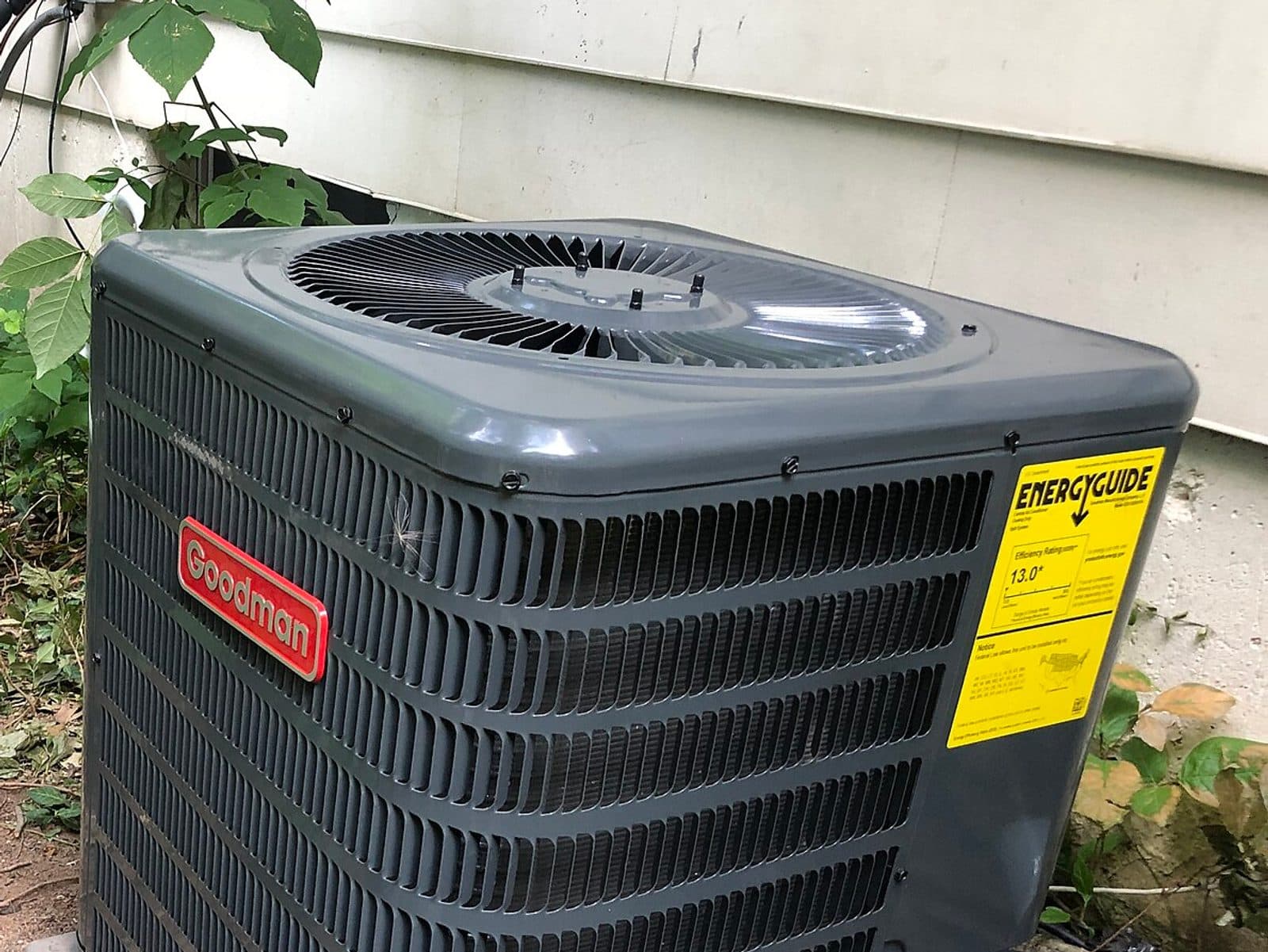
Garland's older neighborhoods have dense oak canopy, and condensers sit under trees that drop leaves, acorns, and spring pollen directly into the coil. A matted coil cannot reject heat, so the system runs longer and cools less every summer until it is cleaned. Keeping clearance around the unit and cleaning the coil as part of maintenance matters more in shaded Garland lots than in open new subdivisions.
Foundation movement opening duct joints
Clay soil movement is pronounced in Garland, and slab shift tugs on duct boots and floor registers in slab homes while attic plenums separate at taped seams as framing moves. The symptom is a room or two losing airflow over a season with no change at the equipment. Sealing joints with mastic and securing boots, rather than tape alone, holds up through the soil cycle.
Garland Power & Light and city mechanical permits
Garland is unusual in the Metroplex because Garland Power & Light, the city-owned utility, delivers electricity inside much of the city instead of Oncor. Mechanical permits still go through the City of Garland Building Inspection department, pulled by a TDLR-licensed contractor for replacements. Confirming the electric utility for the address avoids confusion on any meter or service coordination.
Common calls
What Garland homeowners ask for
AC Repair
AC repair fixes the failed part — capacitor, blower motor, contactor, or control board — that stops a system from cooling. In Dallas–Fort Worth heat, call HVACServicess at (214) 555-0147 to connect with a local HVAC technician in our network who can diagnose the fault on site.
Refrigerant Leak Repair
Refrigerant leak repair finds the leak — usually at the evaporator coil, line set joints, or service valves — seals or replaces the failed part, and recharges the system by weight and measurement. Call HVACServicess at (214) 555-0147 to connect with a local HVAC technician in our network. Adding refrigerant without fixing the leak does not last.
Furnace Installation
Furnace installation replaces a failed or unsafe gas furnace with a correctly sized unit, verified gas and vent connections, and tested combustion. Call HVACServicess at (214) 555-0147 to connect with a local HVAC technician in our network.
Air Duct Cleaning
Air duct cleaning removes accumulated dust, construction debris, and settled contaminants from supply and return ducts using negative-pressure vacuum equipment and agitation tools. Call HVACServicess at (214) 555-0147 to connect with a local HVAC technician in our network who inspects the ductwork first and cleans only what the condition justifies.
Duct Sealing and Repair
Duct sealing and repair closes leaks at duct joints, boots, and plenums with mastic, and replaces crushed, sagging, or disconnected runs so conditioned air reaches the rooms. Call HVACServicess at (214) 555-0147 to connect with a local HVAC technician in our network who tests airflow before and after the work.
AC Maintenance
AC maintenance is a seasonal inspection and cleaning of the condenser, evaporator coil, drain, electrical parts, and airflow before peak Texas heat. Call HVACServicess at (214) 555-0147 to connect with a local HVAC technician in our network for a spring tune-up.
Also available: emergency HVAC help and all 24 HVAC services.
Garland at a glance
- County
- Dallas County
- ZIP codes
- 75040, 75041, 75042, 75043, 75044
- Permit office
- City of Garland building department
FAQ
Garland HVAC FAQ
Who issues mechanical permits in Garland?
The City of Garland Building Inspection department issues mechanical permits and inspections. The permit is pulled by a TDLR-licensed contractor for replacements and new installations. Garland Power & Light is the electric utility for most in-city addresses.
How often should a Garland AC condenser be cleaned?
At least once a year, and more often for units under heavy oak canopy that collect leaves and pollen mats on the coil. A clogged coil raises head pressure and energy use and can trip the system on the hottest days. Cleaning is part of a standard maintenance visit, along with drain clearing and capacitor checks.
Related guides
Troubleshooting
AC Not Cooling the House? A Step-by-Step Check
An AC that runs but does not cool the house usually has restricted airflow, a dirty outdoor coil, low refrigerant, or leaky ducts. Check the filter, confirm every supply vent is open, and rinse debris off the outdoor coil. If the indoor temperature keeps rising on a normal day, call a local HVAC technician in our network.
Cooling
Frozen AC Coil: Why It Happens and What to Do
A frozen evaporator coil is caused by too little airflow across the coil or too little refrigerant inside it. Turn the cooling off, set the fan to ON to thaw the coil, and replace a clogged filter. Once thawed, a local HVAC technician in our network must fix the airflow or leak cause, or the coil will freeze again.
How-To
How to Prepare Your AC for a Texas Summer
Prepare your AC in spring by replacing the filter, clearing debris from the outdoor unit, confirming the condensate drain flows, testing cooling before the first heat wave, and scheduling a tune-up. Catching a weak capacitor, low charge, or clogged drain in April beats an emergency call in July. A local HVAC technician in our network handles the gauge and electrical checks.
Nearby