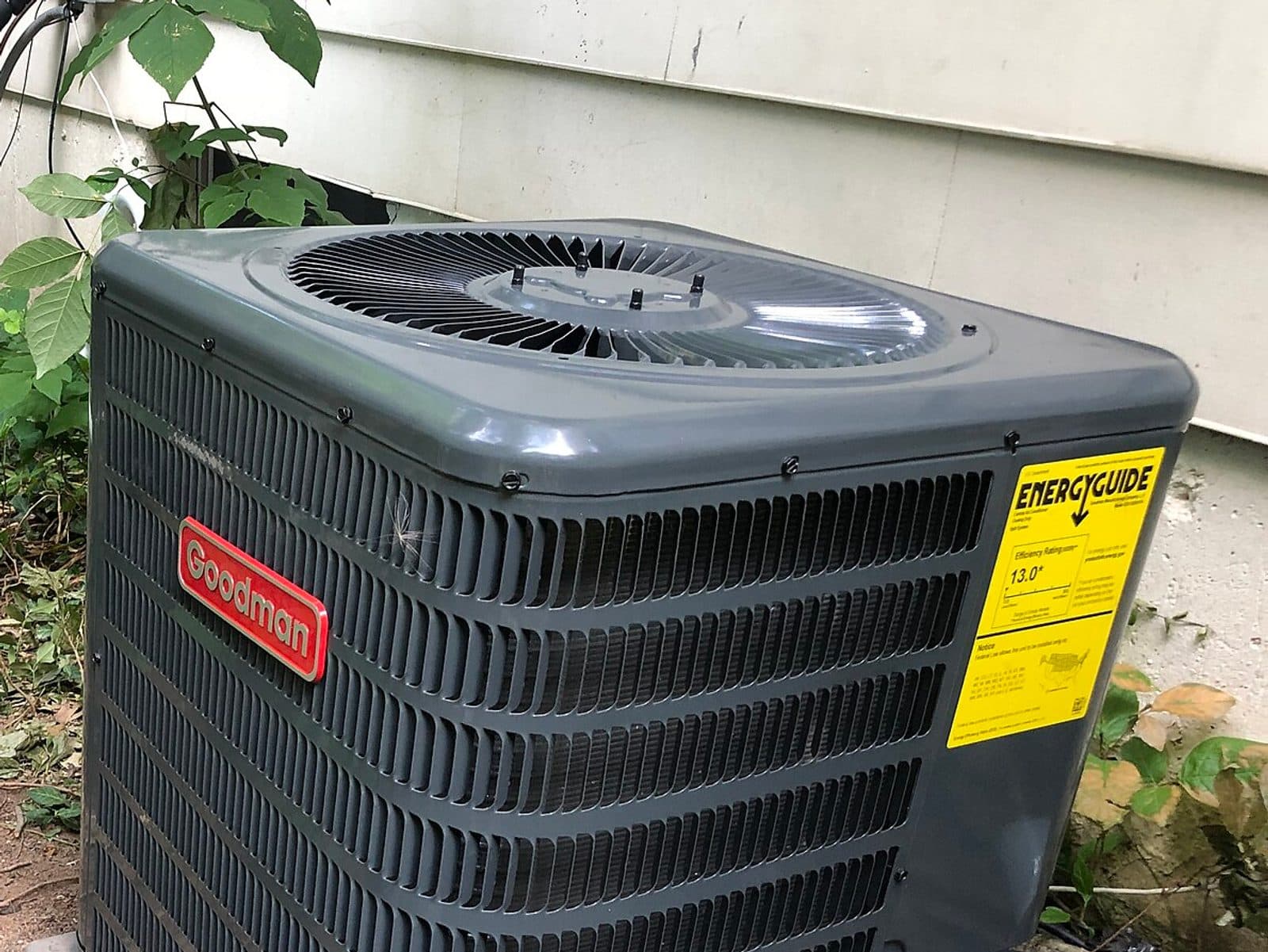
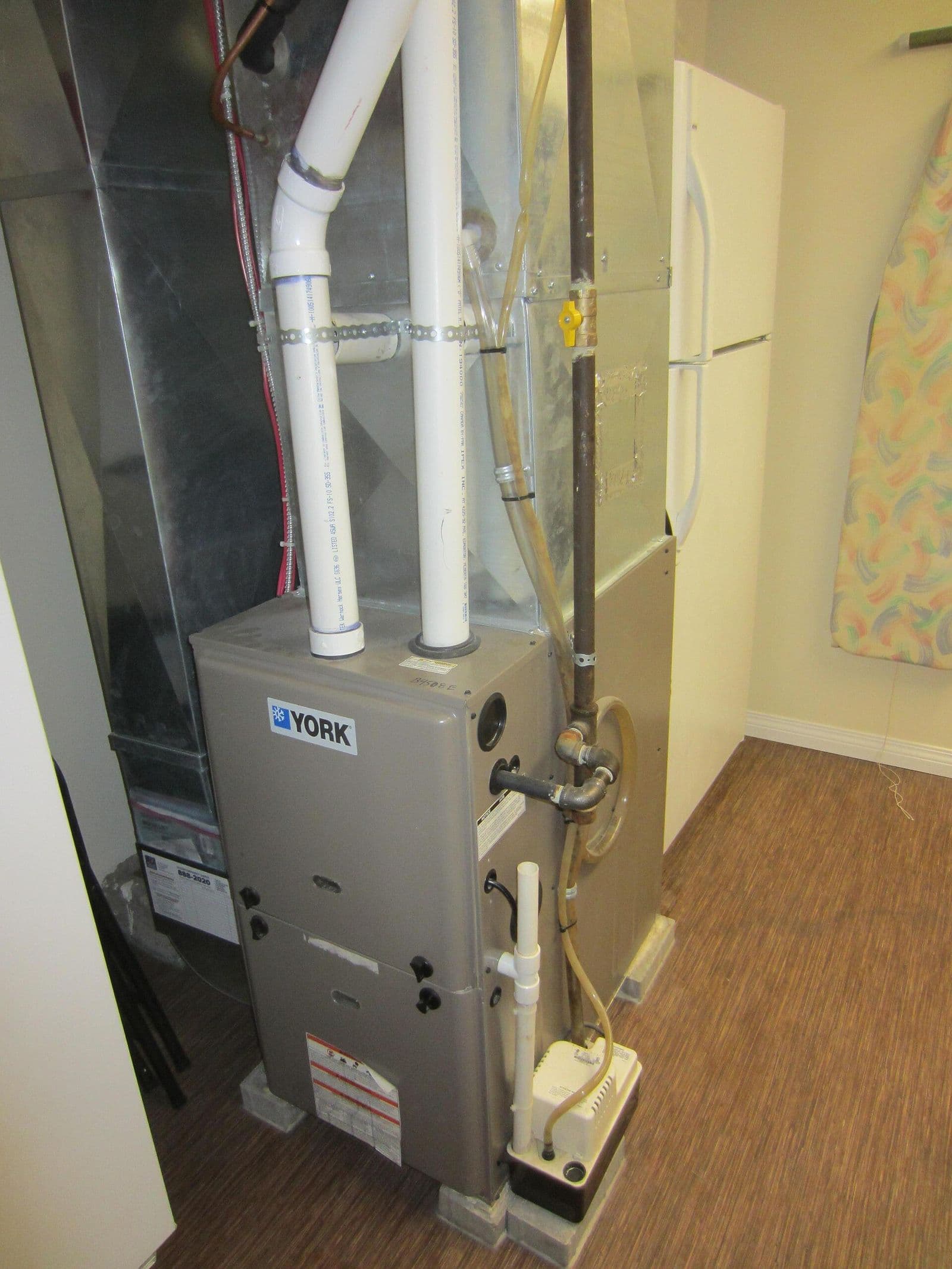
North Texas heating loads are short but sharp: a furnace may idle for weeks, then run hard through a multi-day freeze. Sizing still matters — an oversized furnace short cycles, heats unevenly, and stresses the heat exchanger, while the right size runs longer, quieter cycles. Compare fuel options in heat pump vs. gas furnace in Texas before committing.
Installation covers the furnace cabinet, gas line connection and leak test, venting, condensate handling on high-efficiency models, duct connection, and thermostat setup. Most DFW furnaces pair with the existing coil and condenser as a split system, so the technician confirms blower capacity and duct static pressure for both seasons. The work pairs naturally with AC installation when both halves are replaced together as an HVAC system replacement.
Furnace Installation at a glance
- Service
- Furnace Installation
- Service area
- Dallas-Fort Worth, TX metro (18 towns)
- Permits
- Handled by the HVAC technician
- Pricing
- You approve the price first
Signs
Signs you need furnace installation
Cracked heat exchanger found
This is the non-negotiable trigger: a cracked exchanger is a carbon monoxide hazard and the furnace cannot be repaired. Replacement is the only safe path.
Furnace age with rising repairs
Igniters, boards, and motors failing in sequence on an older furnace signal the end of service life. A new unit ends the pattern and restores reliable heat for freeze events.
Uneven heating and short cycles
Rooms that roast then chill point to an oversized single-stage furnace. A correctly sized two-stage or modulating replacement evens out delivery.
Rust, soot, or vent deterioration
Corroded vent pipe, rusted burner compartments, and soot staining show combustion and venting decline that a new install corrects at the source.
Renovation or fuel conversion plans
Remodels, additions, and conversions between gas and electric heat change the load and the equipment choice. Planning the furnace with the full project avoids rework.
Process
What the HVAC technician does
- 1
Step 1 — Sizing and system matching
The technician confirms heating load, duct capacity, and blower match with the existing or new coil, and reviews gas line size and vent route.
- 2
Step 2 — Permits and preparation
City mechanical permits are pulled, the installing company's TDLR license is confirmed, and gas service with Atmos Energy requirements is accounted for in the plan.
- 3
Step 3 — Furnace replacement
The old furnace is disconnected and removed. The new unit is set, gas is connected and leak-tested, venting is installed to code, and ducts and wiring are connected.
- 4
Step 4 — Combustion and safety verification
Manifold pressure, flame quality, temperature rise, and safety switches are tested through full cycles, and carbon monoxide is checked at startup.
Pricing
What affects the cost
Every home is different, so we don't publish prices — these are the factors the HVAC technician weighs when pricing the work.
Furnace size and efficiency type
Standard-efficiency and high-efficiency condensing furnaces differ in venting, condensate work, and equipment scope.
Gas line and venting work
Undersized gas runs, corroded vent pipe, or a vent route that must change for a condensing model add scope beyond the cabinet swap.
Duct connection and static pressure
Transition fittings, return air corrections, and duct repairs needed to match the new blower add labor and materials.
Location and access
Attic horizontals, tight closets, and garage installs each carry different platform, clearance, and drain requirements.
Matched system work
Replacing the coil or condenser at the same time as the furnace changes the project scope — see [HVAC system replacement](/hvac-services/hvac-system-replacement/).
DIY
What you can do — and what to leave alone
Safe for homeowners
- Note the current furnace model, size, and fuel type from the cabinet label before the visit.
- Write down which rooms heat poorly and any past CO alarm events — both shape sizing and safety checks.
- Clear access to the furnace, attic entry, and gas meter area before installation day.
Stop — call an HVAC technician
- If you smell gas at any point, leave the house, call 911 from outside, then Atmos Energy.
- Never disconnect or reconnect a gas line yourself; gas work requires a licensed professional and a leak test.
- Never vent a furnace into an attic, garage, or chimney not rated for it.
- Never install a furnace without the required city mechanical permit and inspection.
- If a CO alarm sounds after install, leave and call 911 — do not assume it is a false alarm.
FAQ
Furnace Installation: common questions
How long does a furnace installation take?
A straightforward like-for-like furnace swap is typically a one-day job, including gas leak testing and combustion verification. Venting changes or duct corrections can extend the timeline, and the technician confirms scope before starting.
Should I choose gas or a heat pump in Texas?
Both work in North Texas: gas furnaces heat strongly in a freeze, while heat pumps cool and heat efficiently in mild weather. The [heat pump vs. gas furnace guide](/resources/heat-pump-vs-gas-furnace-texas/) compares them for DFW conditions.
Do furnace installs need a permit in DFW?
Yes. Furnace replacement requires a mechanical permit in Dallas, Fort Worth, and most surrounding cities, plus a TDLR-licensed installing company. Gas connections are leak-tested and the install is inspected.
Areas
Towns we serve
Related services
Related guides
Costs & Decisions
Heat Pump vs. Gas Furnace for a Texas Home
For most Dallas–Fort Worth homes, a heat pump heats efficiently through typical winter weather and cools in summer with the same equipment, while a gas furnace delivers stronger heat output during hard freezes if gas service is already at the home. The right choice depends on gas availability, winter comfort preference, and backup heat planning. A local HVAC technician in our network can compare both for your home.
Heating
Furnace Not Heating? Safe Checks for Texas Homes
A furnace that does not heat is often set wrong at the thermostat, has a clogged filter tripping a limit switch, or lost power or gas supply. Check the thermostat mode, filter, and breaker first. If you smell gas or a carbon monoxide alarm sounds, leave the house and call 911, then Atmos Energy. Do not open furnace panels.
Costs & Decisions
What Determines the Cost of a New HVAC System?
The cost of a new HVAC system is set by system size and type, efficiency rating, duct condition, and the labor to install it correctly in your home. This guide lists factors only, with no prices, because an accurate quote requires a load calculation and a look at your ducts and electrical setup. A local HVAC technician in our network provides a written quote after that assessment.