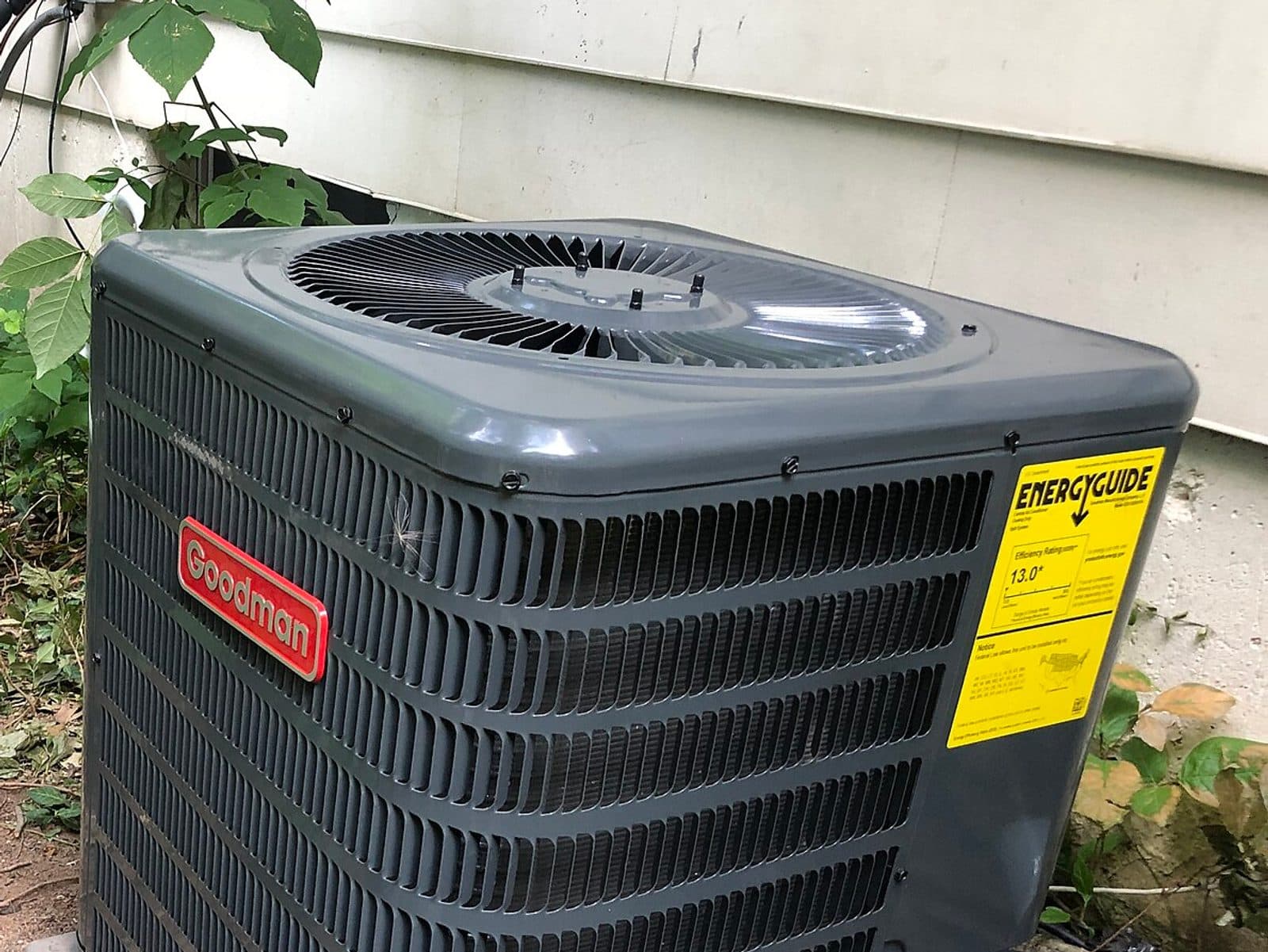
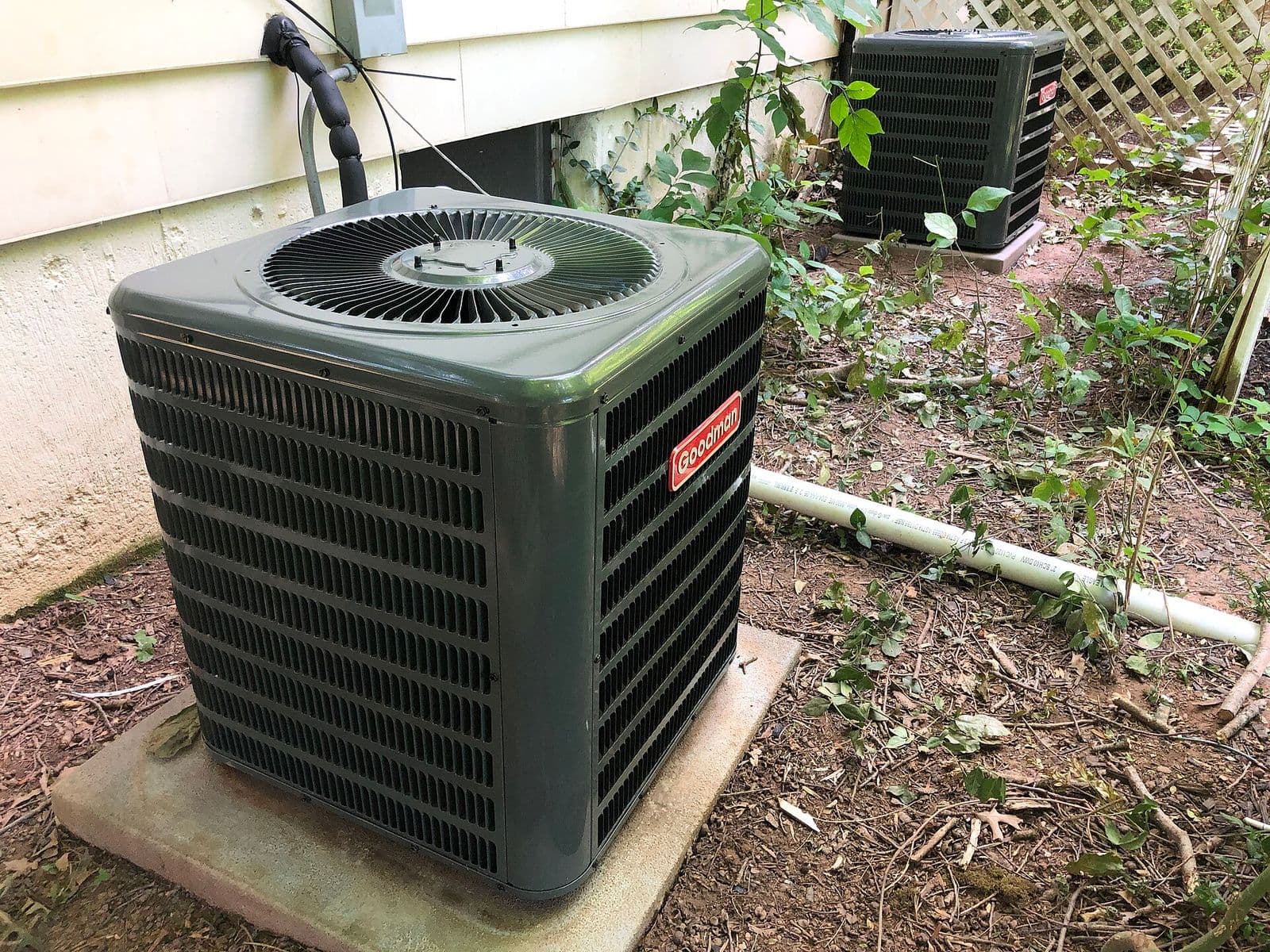
A new AC in Dallas–Fort Worth has to handle long 100°F+ stretches without short cycling on mild days. Correct tonnage comes from a Manual J calculation — windows, insulation, ceiling height, and duct layout — not from copying the old nameplate. An oversized system cools fast and leaves humidity behind; an undersized one never catches up in August. Review new HVAC system cost factors and signs your AC needs replacing before deciding.
Installation includes the outdoor condenser, matched indoor coil or air handler, refrigerant line set, drain with overflow protection, and thermostat. The technician also checks duct size and static pressure, because new high-SEER2 equipment cannot perform through undersized or leaking attic ducts. Pair the install with smart thermostat installation and HVAC zoning if hot and cold rooms are part of the problem.
AC Installation at a glance
- Service
- AC Installation
- Service area
- Dallas-Fort Worth, TX metro (18 towns)
- Permits
- Handled by the HVAC technician
- Pricing
- You approve the price first
Signs
Signs you need ac installation
Old system needs repeated repairs
When capacitors, motors, and leaks follow each other season after season, the system is at the end of its service life. A new install stops the cycle of emergency calls.
Compressor or coil has failed
A failed compressor or a leaking evaporator coil on an older system often costs a large share of a new system. The technician can explain repair versus replace with the actual condition in front of you.
Home was added onto or remodeled
Added square footage, converted garages, and enclosed patios change the cooling load. A correctly sized new system — or a ductless mini-split for the addition — fixes rooms the old system never reached.
High summer electric bills
An aging low-efficiency condenser running long hours in Texas heat shows up directly on the Oncor bill. Higher SEER2 equipment with correct airflow uses less energy for the same cooling.
Uneven cooling and humidity problems
Hot upstairs rooms, clammy air, and doors that stick in summer point to sizing, duct, and runtime problems a new matched system is designed to correct.
Process
What the HVAC technician does
- 1
Step 1 — Load calculation and duct review
The technician performs or confirms a Manual J calculation, measures duct sizes, and checks static pressure and return air to size the new system correctly.
- 2
Step 2 — Equipment selection and permit
Condenser, coil, and air handler are matched for SEER2 rating and tonnage. Required city mechanical permits are pulled and TDLR licensing is confirmed for the installing company.
- 3
Step 3 — Installation
Old equipment is recovered and removed, the new condenser and coil are set, line set and drains are connected, and electrical and control wiring are completed to code.
- 4
Step 4 — Charge, airflow, and startup verification
Refrigerant charge is set by measured superheat and subcooling, airflow is balanced, drains are tested, and the thermostat is programmed with you before the job closes.
Pricing
What affects the cost
Every home is different, so we don't publish prices — these are the factors the HVAC technician weighs when pricing the work.
Tonnage and SEER2 rating
Larger systems and higher-efficiency variable-speed equipment involve larger condensers, coils, and controls than basic single-stage systems.
Ductwork condition and size
Undersized returns, crushed flex duct, or leaking attic runs found at install may need correction so the new system can deliver its rated capacity.
Indoor equipment location
Attic air handlers, closet coils, and garage installs differ in access, drain routing, and platform or secondary pan work.
Line set and electrical work
Long line sets, damaged copper, or panel and disconnect upgrades needed for the new condenser add scope beyond the equipment swap.
Permits and code items
City mechanical permits, overflow switches, drain work, and hail guards for exposed condensers are part of a compliant DFW install.
DIY
What you can do — and what to leave alone
Safe for homeowners
- Gather past summer electric bills and note which rooms run hot — this helps the technician size and plan duct fixes.
- Measure and photograph the current condenser and air handler nameplates so model and tonnage are known before the visit.
- Clear access to the attic entry, air handler, and outdoor condenser pad before installation day.
Stop — call an HVAC technician
- Never attempt to recover refrigerant or disconnect line sets yourself; EPA Section 608 certification is required.
- Never open the air handler or condenser electrical panels.
- Never size a new system by square footage alone or copy a neighbor's tonnage — insist on a Manual J calculation.
- Never let anyone install without pulling the required city mechanical permit.
- If you smell gas near a furnace or a CO alarm sounds during the work, leave the house and call 911, then Atmos Energy.
FAQ
AC Installation: common questions
How is the right AC size chosen?
The right size comes from a Manual J load calculation using your home's size, windows, insulation, and duct layout. Guessing by tonnage alone causes short cycling or weak cooling — the technician should show the calculation.
What does SEER2 mean?
SEER2 is the current efficiency rating for cooling equipment tested under updated procedures. Higher SEER2 means less electricity for the same cooling, but only when the coil is matched and duct airflow is correct.
Do I need a permit for a new AC in DFW?
Yes. Dallas, Fort Worth, and most DFW cities require a mechanical permit for AC replacement, and the installing company must hold a TDLR air conditioning contractor license. Keep the permit record with your home papers.
Areas
Towns we serve
Related guides
Costs & Decisions
What Determines the Cost of a New HVAC System?
The cost of a new HVAC system is set by system size and type, efficiency rating, duct condition, and the labor to install it correctly in your home. This guide lists factors only, with no prices, because an accurate quote requires a load calculation and a look at your ducts and electrical setup. A local HVAC technician in our network provides a written quote after that assessment.
Costs & Decisions
Signs Your AC Needs Replacing, Not Another Repair
An AC usually needs replacing when repairs repeat every season, the compressor or coil fails, energy bills climb while comfort falls, or the system uses an older refrigerant that is costly to service. One repair on a younger system is normal. A pattern of failures is the signal. A local HVAC technician in our network can lay out repair and replacement side by side in writing.
How-To
How to Prepare Your AC for a Texas Summer
Prepare your AC in spring by replacing the filter, clearing debris from the outdoor unit, confirming the condensate drain flows, testing cooling before the first heat wave, and scheduling a tune-up. Catching a weak capacitor, low charge, or clogged drain in April beats an emergency call in July. A local HVAC technician in our network handles the gauge and electrical checks.