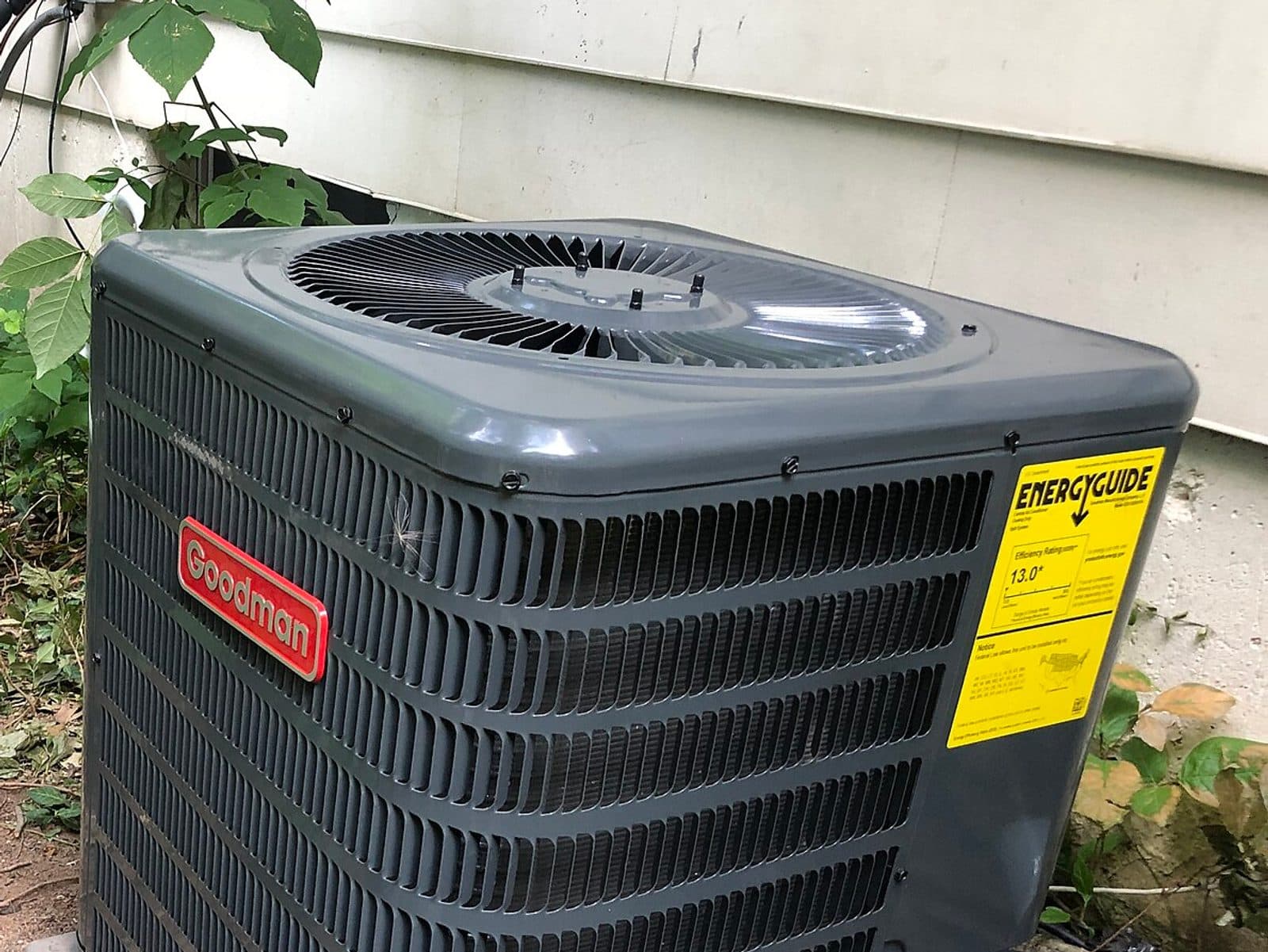
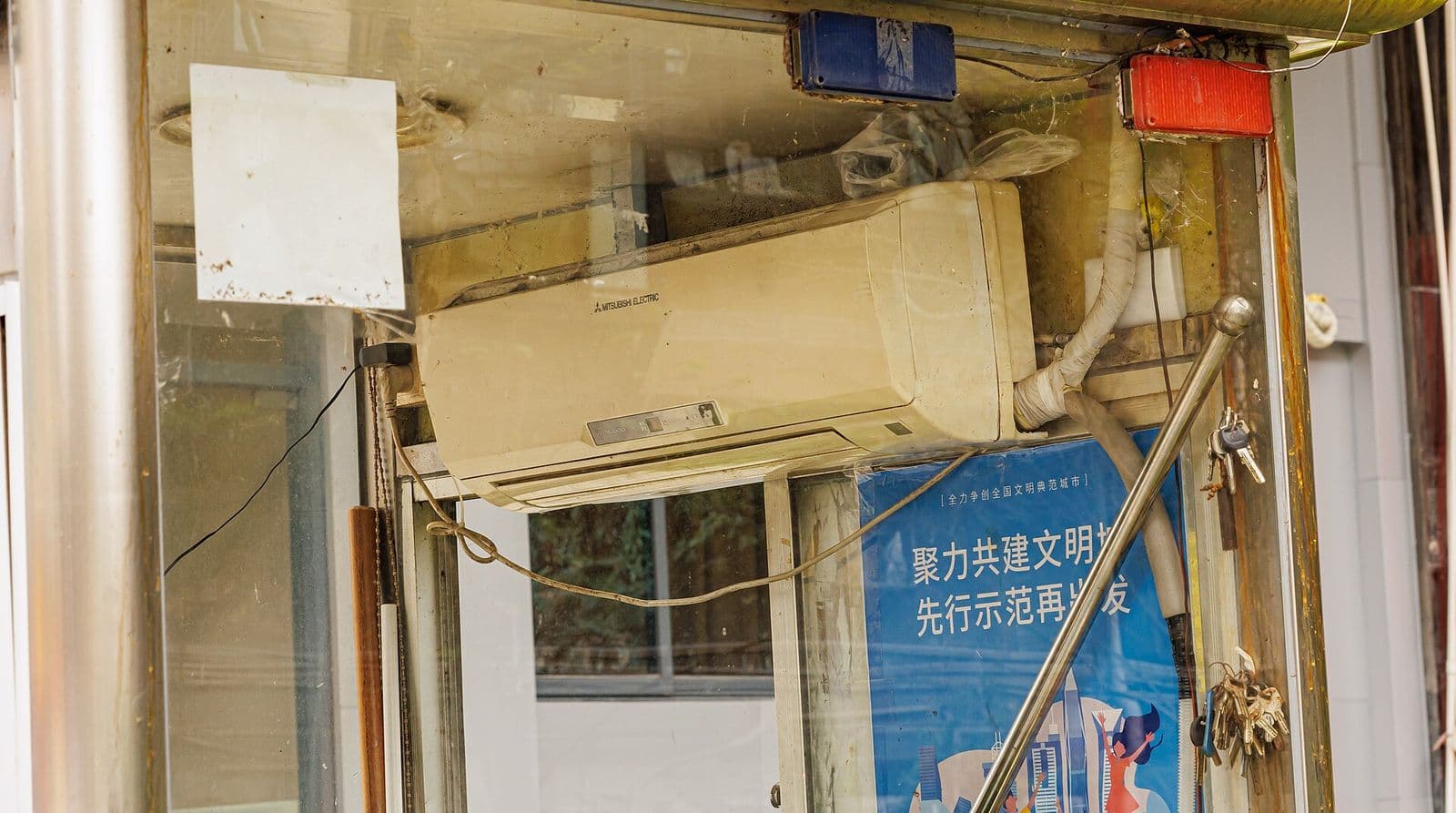
Mini-splits report faults differently from central systems: blinking lights and error codes on the head, one zone dead while others run, or water dripping from the wall unit because the condensate drain has clogged with algae in humid weather. Diagnosis starts with the code and the zone pattern, then moves to filters, coils, sensors, and refrigerant pressures. For the central-system equivalent, see AC repair.
Common repairs include room and coil sensors, indoor blower wheels fouled with dust and growth, outdoor control boards damaged by power surges, and refrigerant leaks at flare connections. A leak is located and sealed before any charge is added, the same rule as refrigerant leak repair on a ducted system. If the unit is at the end of its service life, the technician can explain ductless mini-split installation options for the same space.
Ductless Mini-Split Repair at a glance
- Service
- Ductless Mini-Split Repair
- Service area
- Dallas-Fort Worth, TX metro (18 towns)
- Permits
- Handled by the HVAC technician
- Pricing
- You approve the price first
Signs
Signs you need ductless mini-split repair
Head blows room-temperature air
A head that runs its fan but never cools usually points to the outdoor unit not starting, a sensor fault, or low refrigerant. Note whether other zones still cool — that pattern narrows the diagnosis.
Error code or blinking lights on the head
Mini-splits store fault codes for sensor failures, communication errors, and refrigerant problems. Write the code down before resetting power; the code is the technician's starting point.
Water dripping from the indoor head
Indoor heads drain condensate through a small line or pump. Algae and dust clog that drain in humid DFW summers, and water then overflows down the wall.
One zone dead, others working
On a multi-head system, a single dead zone usually means a fault at that head — its board, blower, or valve — rather than the shared outdoor unit.
Ice on the head coil or outdoor lines
Frost points to restricted airflow from a clogged filter or fouled blower, or to low refrigerant charge. Turn that zone off and let it thaw before the visit.
Process
What the HVAC technician does
- 1
Step 1 — Symptom, code, and zone check
The technician confirms which zones fail, reads stored error codes, and checks remotes, modes, and power at the outdoor disconnect before opening equipment.
- 2
Step 2 — Filter, coil, blower, and drain inspection
Washable filters, the indoor coil, and the blower wheel are inspected for fouling, and the condensate drain and pump are tested for the clogs that cause most drips.
- 3
Step 3 — Sensor, board, and refrigerant testing
Sensor readings, board outputs, and refrigerant pressures are measured to separate an electrical or control fault from a leak or charge problem.
- 4
Step 4 — Repair and zone-by-zone verification
The failed part is replaced or the drain cleared, then every zone is run in cooling and heating to confirm temperatures, drainage, and clean shutdown.
Pricing
What affects the cost
Every home is different, so we don't publish prices — these are the factors the HVAC technician weighs when pricing the work.
Failed component
A sensor or drain pump is a smaller repair than an indoor blower motor, an outdoor control board, or an electronic expansion valve.
Single-zone or multi-zone diagnosis
A fault isolated to one head on a multi-zone system takes different testing than a fault that takes down every zone at once.
Refrigerant leak location
A flare connection that can be remade and re-torqued is a smaller job than a leak inside a coil, which changes the repair decision.
Brand and model parts
Mini-split parts are brand-specific, and less common models can require ordered boards or motors instead of locally stocked parts.
Access to heads and line sets
High wall heads, ceiling cassettes, and line sets routed through finished walls take longer to reach and test safely.
DIY
What you can do — and what to leave alone
Safe for homeowners
- Remove and rinse the washable filters in the indoor heads — a clogged filter is the most common cause of weak cooling and ice.
- Confirm each remote is in the right mode with fresh batteries, and write down any error code shown on the head.
- Check that the condensate drain outlet outside is not buried in mulch or blocked by landscaping.
Stop — call an HVAC technician
- Never open an indoor head or the outdoor unit — boards and capacitors inside carry electrical hazards.
- Never add refrigerant yourself; handling refrigerant requires EPA Section 608 certification and charging by measurement.
- Never keep resetting power to clear an error code that returns — the code is recording a real fault.
- Never pour bleach or chemicals into the drain line; the wrong product damages the coil and drain pan.
- Never wash a fouled blower wheel in place with water — electronics and motors inside the head are not washable.
FAQ
Ductless Mini-Split Repair: common questions
Why is one mini-split head not cooling while others work?
A single dead zone usually means a fault at that head — a failed sensor, blower, board, or its refrigerant valve — rather than the shared outdoor unit. The technician tests that head's components and compares it with the working zones.
Why does my mini-split drip water down the wall?
The condensate drain or pump is clogged or has failed, so water overflows the head's drain pan instead of draining outside. Clearing the line and testing the pump fixes most drips; running the unit meanwhile worsens wall damage.
My mini-split shows an error code — what should I do?
Write the code down, check the filters, and note which modes fail. Do not keep cycling power to clear it — give the code to the technician, because it identifies the sensor, board, or refrigerant circuit to test first.
Areas
Towns we serve
Related guides
Troubleshooting
AC Not Cooling the House? A Step-by-Step Check
An AC that runs but does not cool the house usually has restricted airflow, a dirty outdoor coil, low refrigerant, or leaky ducts. Check the filter, confirm every supply vent is open, and rinse debris off the outdoor coil. If the indoor temperature keeps rising on a normal day, call a local HVAC technician in our network.
Troubleshooting
AC Blowing Warm Air? Causes and What to Check
An AC blowing warm air is most often set to fan-only or heat by mistake, has a clogged filter, lost power to the outdoor unit, or is low on refrigerant. Check the thermostat mode, filter, and outdoor disconnect first. If the outdoor unit runs but the air stays warm, call a local HVAC technician in our network for diagnosis.
How-To
How Often Should You Change Your AC Filter?
Change a standard 1-inch filter every 1 to 3 months, and check it monthly during Dallas–Fort Worth summer when the system runs daily. Homes with pets, allergies, or nearby construction need monthly changes. If you cannot see light through the filter, it is already overdue.