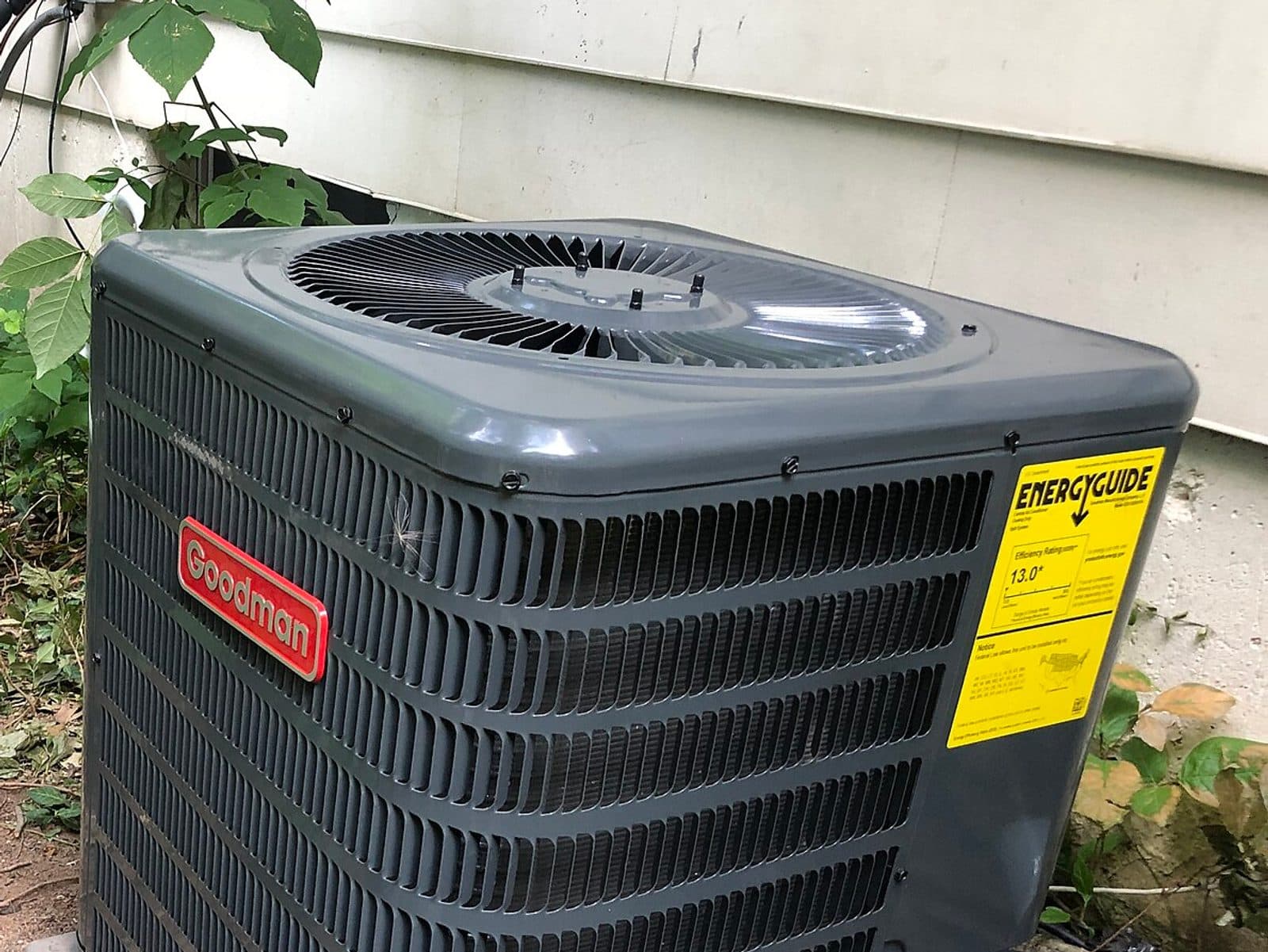
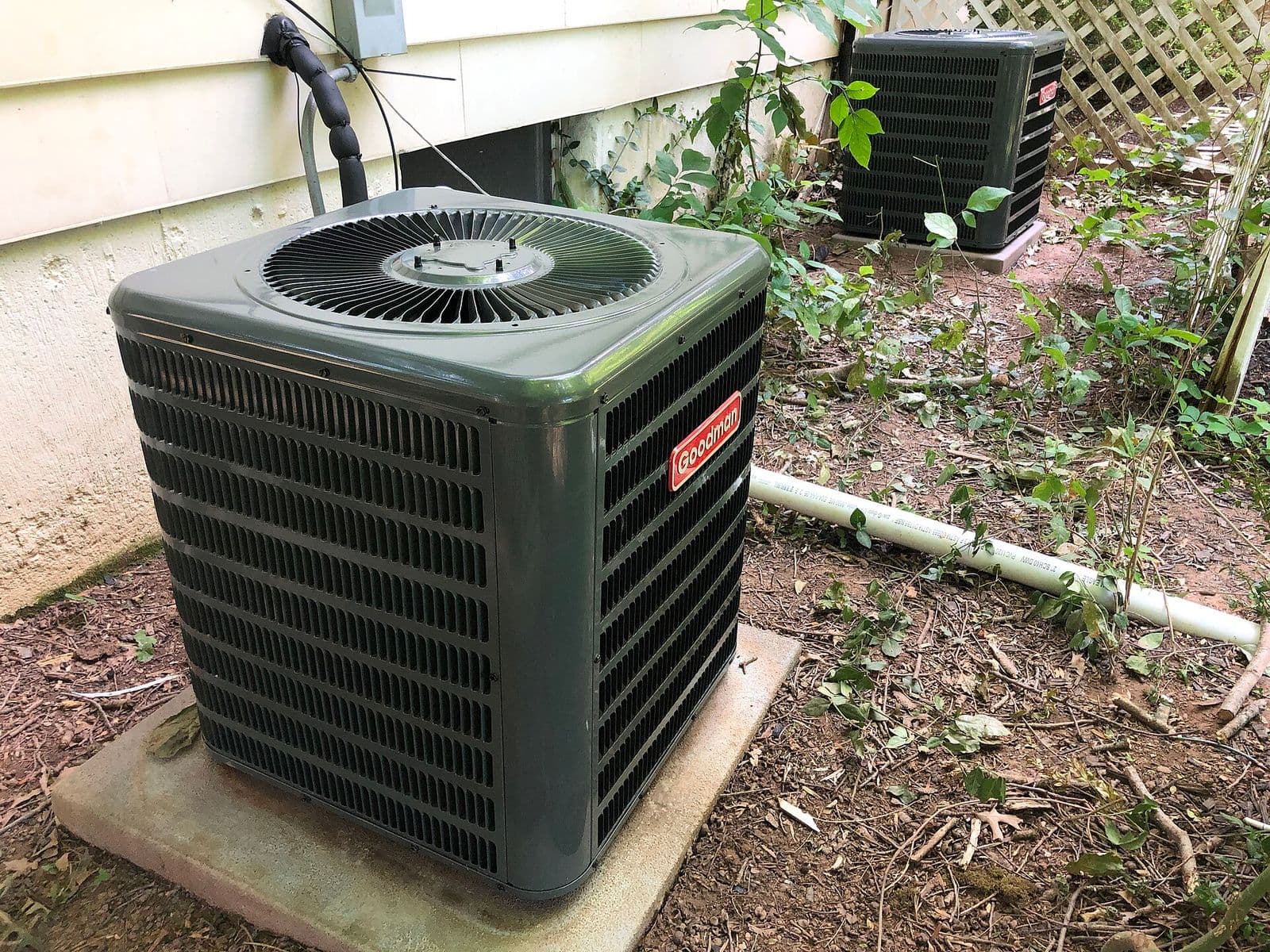
Replacing the whole system at once solves the mismatch problem: a new high-efficiency condenser bolted to an old coil and an aging furnace blower never delivers its rated performance, and the halves age out of step from then on. A matched replacement sets tonnage, airflow, and controls together, with duct static pressure checked before the equipment is ordered. The cost drivers are laid out in new HVAC system cost factors and the timing signs in signs your AC needs replacing.
The project covers outdoor and indoor equipment, line set, drains with overflow protection, gas and vent connections on furnace systems, thermostat, and city mechanical permits under a TDLR-licensed installer. It combines the scopes of AC installation and furnace installation — or heat pump installation for an all-electric home — into one planned job with one commissioning pass for both seasons.
HVAC System Replacement at a glance
- Service
- HVAC System Replacement
- Service area
- Dallas-Fort Worth, TX metro (18 towns)
- Permits
- Handled by the HVAC technician
- Pricing
- You approve the price first
Signs
Signs you need hvac system replacement
Both halves of the system are aging together
When the condenser and furnace were installed together and both now need repairs in rotation, replacing one half leaves the other as the next failure.
Compressor failure plus furnace problems
A failed compressor on the cooling side and a worn heat exchanger or failing inducer on the heating side in the same season make the matched replacement case on their own.
Evaporator coil leaks on an older system
A leaking coil forces a decision: a major coil job on aging equipment, or a matched system. Refrigerant type matters — older phased-out refrigerant raises the cost of keeping the old condenser.
Comfort problems equipment alone never fixed
Hot upstairs rooms, humidity the system never controls, and noise on every cycle often trace to sizing and duct issues that a planned replacement with duct corrections is designed to settle.
Remodel, addition, or fuel change planned
Added square footage or a switch between gas heat and a heat pump changes the load and the equipment choice. Timing the replacement with the project avoids installing twice.
Process
What the HVAC technician does
- 1
Step 1 — Load calculation and duct evaluation
A Manual J calculation sets the size, and duct sizes, returns, and static pressure are measured so the new system is not strangled by the old ductwork.
- 2
Step 2 — Matched equipment selection and permits
Condenser, coil, and furnace or heat pump components are selected as a matched set. City mechanical permits are pulled and TDLR licensing is confirmed.
- 3
Step 3 — Full system installation
Old equipment is recovered and removed. New outdoor and indoor units are set, line set, drains, gas and venting, electrical, and controls are connected to code.
- 4
Step 4 — Commissioning for both seasons
Charge is set by superheat and subcooling, gas pressure and temperature rise are verified, airflow is balanced, and both cooling and heating modes are run before the job closes.
Pricing
What affects the cost
Every home is different, so we don't publish prices — these are the factors the HVAC technician weighs when pricing the work.
System type and configuration
A split AC with a gas furnace, a heat pump with an air handler, and dual-fuel combinations each involve different equipment and connections.
Tonnage and efficiency tier
Single-stage, two-stage, and variable-speed equipment differ in condensers, blowers, and controls, and size follows the load calculation.
Duct corrections needed
Undersized returns, leaking attic runs, or a plenum rebuild found during evaluation add duct scope that protects the new system's performance.
Line set, electrical, and gas work
Line set replacement, panel or disconnect upgrades, and gas line resizing or vent replacement for a condensing furnace each add to the equipment swap.
Permits and code items
Mechanical permits, overflow switches, secondary drain pans, and hail protection for the condenser are part of a compliant DFW replacement.
DIY
What you can do — and what to leave alone
Safe for homeowners
- Gather repair history and a year of electric and gas bills — the pattern helps the technician judge replacement timing honestly.
- Photograph the nameplates of the current condenser, coil, and furnace so sizes and refrigerant type are known before the visit.
- List the rooms that never heat or cool correctly; a replacement plan should address them, not repeat them.
Stop — call an HVAC technician
- Never recover refrigerant or disconnect line sets yourself; EPA Section 608 certification is required.
- Never disconnect or reconnect gas lines or venting yourself — gas work needs a licensed professional and a leak test.
- Never accept a replacement sized only from the old nameplate or square footage; insist on a load calculation.
- Never let a full system go in without the required city mechanical permit and a TDLR-licensed installer.
- If you smell gas or a CO alarm sounds at any point, leave the house and call 911, then Atmos Energy.
FAQ
HVAC System Replacement: common questions
Should the furnace and AC be replaced together?
When both halves are similar in age, yes — matched equipment delivers rated efficiency, shares one installation, and keeps warranties aligned. Replacing only one half makes sense when the other half is sound and demonstrably younger, which the inspection verifies.
Should the replacement be a heat pump or gas furnace system?
Both work in North Texas: gas heat is strong in a freeze, while a heat pump heats efficiently in mild weather and cools in summer. The [heat pump vs. gas furnace guide](/resources/heat-pump-vs-gas-furnace-texas/) compares them on DFW conditions, gas availability, and your existing connections.
What permits does a full replacement need in DFW?
A mechanical permit is required in Dallas, Fort Worth, and most surrounding cities, covering the equipment change, gas and vent work on furnace systems, and electrical connections. The installing company must hold a TDLR air conditioning contractor license.
Areas
Towns we serve

Related guides
Costs & Decisions
What Determines the Cost of a New HVAC System?
The cost of a new HVAC system is set by system size and type, efficiency rating, duct condition, and the labor to install it correctly in your home. This guide lists factors only, with no prices, because an accurate quote requires a load calculation and a look at your ducts and electrical setup. A local HVAC technician in our network provides a written quote after that assessment.
Costs & Decisions
Signs Your AC Needs Replacing, Not Another Repair
An AC usually needs replacing when repairs repeat every season, the compressor or coil fails, energy bills climb while comfort falls, or the system uses an older refrigerant that is costly to service. One repair on a younger system is normal. A pattern of failures is the signal. A local HVAC technician in our network can lay out repair and replacement side by side in writing.
Costs & Decisions
Heat Pump vs. Gas Furnace for a Texas Home
For most Dallas–Fort Worth homes, a heat pump heats efficiently through typical winter weather and cools in summer with the same equipment, while a gas furnace delivers stronger heat output during hard freezes if gas service is already at the home. The right choice depends on gas availability, winter comfort preference, and backup heat planning. A local HVAC technician in our network can compare both for your home.