Local knowledge
HVAC work in Arlington
- 1960s-80s ranches across central Arlington: single attic systems, original or once-replaced ductwork, and gas furnaces in hallway closets or garages.
- UTA-area rentals and duplexes near 76010 and 76013: heavy use, irregular filter changes, and deferred maintenance that shortens equipment life.
- Southwest Arlington and Viridian newer builds: two-story homes with zoned or dual systems and tighter, better-insulated envelopes.
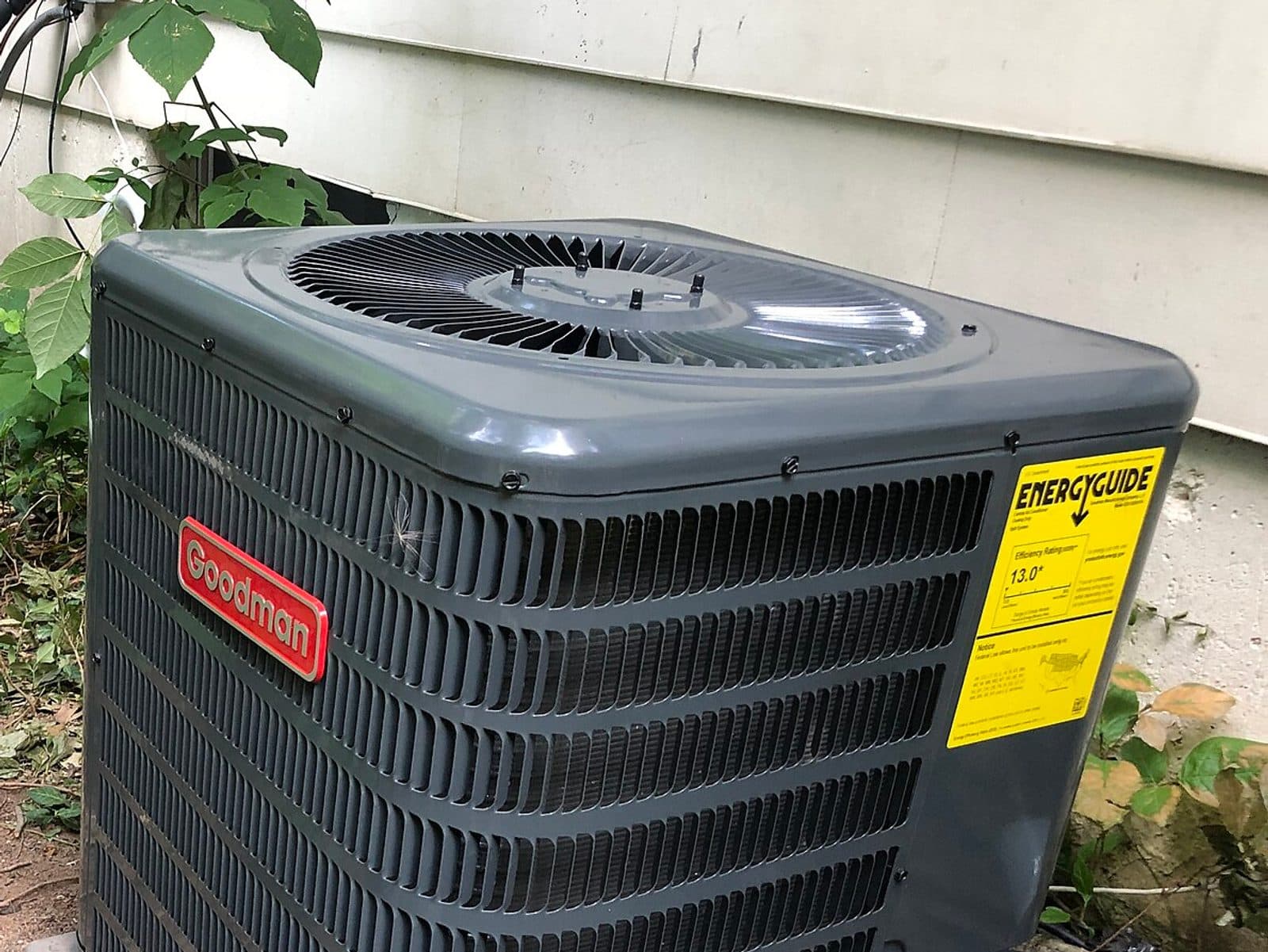
- Lake Arlington area homes: slightly older stock with mature trees, shaded condensers clogged by leaves and cottonwood debris in spring.
Single systems stretched by additions
Many Arlington ranches have added a primary suite, a sunroom, or a converted garage since the 1980s without adding duct capacity or a second system. The original air handler cannot move enough air to the far rooms, so the addition stays hot in summer and cold in winter while the core of the house overcools. A load calculation for the current floor plan, not the original one, determines whether duct changes, zoning, or a ductless unit is the right fix.
Attic heat and aging ductwork
Arlington attics exceed 130 degrees on August afternoons, and flex duct installed decades ago sags between supports, kinks at turns, and leaks at taped joints. Every sag and leak costs cooling before the air reaches a register. Replacing crushed sections, supporting runs properly, and sealing connections with mastic restores airflow in a way that a larger outdoor unit alone cannot.
City of Arlington mechanical permits
Mechanical permits in Arlington go through the City of Arlington Planning and Development Services department. A system replacement needs a permit pulled by a TDLR-licensed contractor and a city inspection. Arlington inspectors check condensate drains, attic access and platforms, and disconnect placement closely on attic installs, so the install plan should account for those items from the start.
Common calls
What Arlington homeowners ask for
Emergency AC Repair
Emergency AC repair is urgent diagnosis when cooling fails completely during extreme heat, especially with infants, older adults, or medical needs in the home. Call HVACServicess at (214) 555-0147 to connect with a local HVAC technician in our network. If anyone shows signs of heat illness, call 911 first.
AC Repair
AC repair fixes the failed part — capacitor, blower motor, contactor, or control board — that stops a system from cooling. In Dallas–Fort Worth heat, call HVACServicess at (214) 555-0147 to connect with a local HVAC technician in our network who can diagnose the fault on site.
AC Installation
AC installation replaces or adds a cooling system sized to the home with a Manual J load calculation, matched condenser and evaporator coil, and verified airflow. Call HVACServicess at (214) 555-0147 to connect with a local HVAC technician in our network.
Refrigerant Leak Repair
Refrigerant leak repair finds the leak — usually at the evaporator coil, line set joints, or service valves — seals or replaces the failed part, and recharges the system by weight and measurement. Call HVACServicess at (214) 555-0147 to connect with a local HVAC technician in our network. Adding refrigerant without fixing the leak does not last.
Heating Maintenance
Heating maintenance is a fall inspection of the furnace burners, igniter, heat exchanger, venting, and safety controls before freeze season. Call HVACServicess at (214) 555-0147 to connect with a local HVAC technician in our network for a heating tune-up.
Air Duct Cleaning
Air duct cleaning removes accumulated dust, construction debris, and settled contaminants from supply and return ducts using negative-pressure vacuum equipment and agitation tools. Call HVACServicess at (214) 555-0147 to connect with a local HVAC technician in our network who inspects the ductwork first and cleans only what the condition justifies.
Also available: emergency HVAC help and all 24 HVAC services.
Arlington at a glance
- County
- Tarrant County
- ZIP codes
- 76010, 76011, 76012, 76013, 76016, 76017
- Permit office
- City of Arlington building department
FAQ
Arlington HVAC FAQ
Do I need a permit for an AC replacement in Arlington?
Yes. The City of Arlington Planning and Development Services department requires a mechanical permit for AC and furnace replacements. The permit is pulled by a TDLR-licensed contractor, and the city inspects the installation before the permit is closed.
Why does my Arlington AC run all day but never reach the set temperature?
Common causes in Arlington ranches are low refrigerant from a leak, a condenser clogged with debris, leaky or sagging attic ducts, and a system undersized for rooms added after the house was built. A technician measures refrigerant charge, airflow, and duct condition to find which cause applies instead of guessing at the outdoor unit.
Related guides
Troubleshooting
AC Not Cooling the House? A Step-by-Step Check
An AC that runs but does not cool the house usually has restricted airflow, a dirty outdoor coil, low refrigerant, or leaky ducts. Check the filter, confirm every supply vent is open, and rinse debris off the outdoor coil. If the indoor temperature keeps rising on a normal day, call a local HVAC technician in our network.
Cooling
Frozen AC Coil: Why It Happens and What to Do
A frozen evaporator coil is caused by too little airflow across the coil or too little refrigerant inside it. Turn the cooling off, set the fan to ON to thaw the coil, and replace a clogged filter. Once thawed, a local HVAC technician in our network must fix the airflow or leak cause, or the coil will freeze again.
How-To
How to Prepare Your AC for a Texas Summer
Prepare your AC in spring by replacing the filter, clearing debris from the outdoor unit, confirming the condensate drain flows, testing cooling before the first heat wave, and scheduling a tune-up. Catching a weak capacitor, low charge, or clogged drain in April beats an emergency call in July. A local HVAC technician in our network handles the gauge and electrical checks.
Nearby