
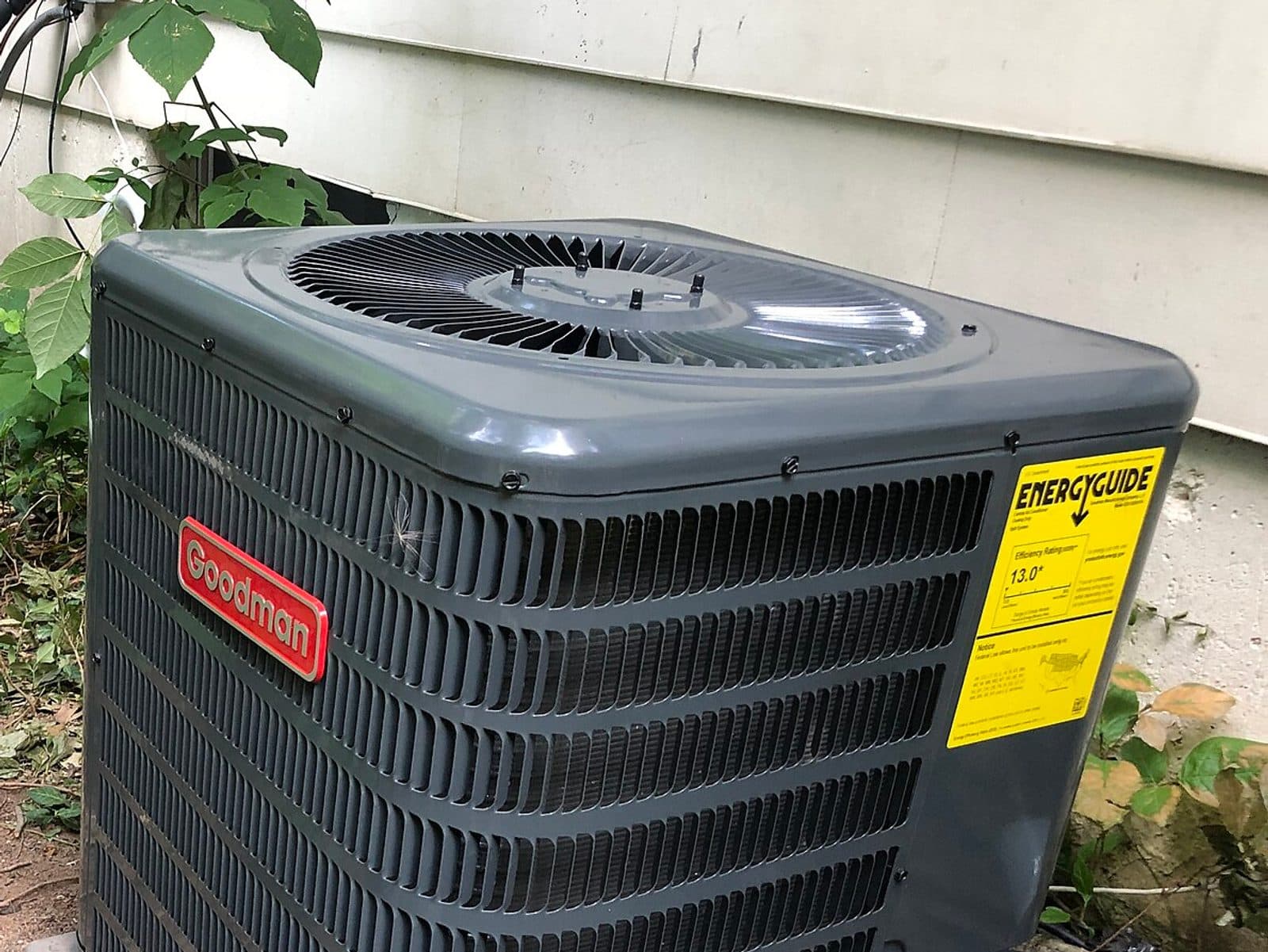
Most AC failures in North Texas happen on the hottest afternoons. Outdoor condensers sit in 100°F+ heat, attic air handlers bake above 130°F, and capacitors and blower motors fail under that load. A system that blows warm air, short cycles, or freezes its evaporator coil needs diagnosis before parts are swapped. Start with AC maintenance history and the guide on AC blowing warm air.
The technician tests the full cooling cycle: thermostat call, contactor and capacitor, compressor amps, refrigerant pressures, evaporator coil condition, and duct static pressure. That testing separates a simple capacitor failure from a low refrigerant charge or a failing compressor. If the system is older and repair is not sensible, the technician can also explain AC installation and HVAC system replacement options without guessing at the cause.
AC Repair at a glance
- Service
- AC Repair
- Service area
- Dallas-Fort Worth, TX metro (18 towns)
- Permits
- Handled by the HVAC technician
- Pricing
- You approve the price first
Signs
Signs you need ac repair
Warm air from the vents
Supply air that feels room temperature or warm usually means the compressor is not running, refrigerant is low, or the outdoor condenser cannot reject heat. Check the filter first, then stop the system if ice is forming.
AC runs but never reaches the set point
A system that runs all afternoon and still loses ground may be undersized, low on charge, or pushing air through leaking ducts in a hot attic. Continuous runtime in DFW heat also drives up Oncor electric bills fast.
Short cycling on and off
Starting and stopping every few minutes points to an oversized system, a dirty evaporator coil, low refrigerant, or a failing control. Short cycling wears the compressor and leaves humidity in the house. See AC short cycling.
Ice on the coil or refrigerant lines
Frost on the indoor coil or the copper suction line means airflow is restricted or charge is low. Turn the system to fan-only to thaw it — running it frozen can damage the compressor.
Clicking, buzzing, or grinding at startup
A buzz at the condenser often means a failed capacitor or contactor. Grinding or screeching from the air handler points to a blower motor or bearing failure that should be checked before the motor burns out.
Process
What the HVAC technician does
- 1
Step 1 — Symptom and safety check
The technician confirms what you noticed, checks the thermostat settings, breaker, and disconnect, and looks for ice, water overflow, or electrical damage before testing.
- 2
Step 2 — Electrical and airflow testing
Capacitor, contactor, compressor and fan amps, and blower operation are measured. The filter, evaporator coil, and duct static pressure are checked to rule out an airflow cause.
- 3
Step 3 — Refrigerant and coil diagnosis
If electrical and airflow checks pass, pressures and temperatures are measured to confirm charge and coil performance. A leak is located before any refrigerant is added.
- 4
Step 4 — Repair and cooling verification
The failed part is replaced, the system is restarted, and supply temperature, runtime, and drainage are verified so the repair holds under load.
Pricing
What affects the cost
Every home is different, so we don't publish prices — these are the factors the HVAC technician weighs when pricing the work.
Failed component
A capacitor or contactor is a smaller part than a blower motor, control board, or compressor, and each changes the parts and labor involved.
System age and refrigerant type
Older systems using phased-out refrigerant and obsolete boards take more time to source parts for and may need a different repair plan.
Access to the equipment
Attic air handlers, tight closets, and rooftop or fenced condensers take longer to service safely than open garage or side-yard installs.
Secondary damage
Running a system low on charge or with a frozen coil can damage the compressor or overflow the drain pan, adding work beyond the first fault.
Duct and airflow condition
Crushed, disconnected, or leaking attic ducts found during diagnosis may need [duct sealing and repair](/hvac-services/duct-sealing-and-repair/) to restore cooling.
DIY
What you can do — and what to leave alone
Safe for homeowners
- Replace a dirty air filter and confirm the thermostat is set to Cool with fresh batteries if it uses them.
- Clear leaves, grass, and hail debris from around the outdoor condenser and confirm the breaker has not tripped once.
- If you see ice, set the thermostat to Off and Fan to On to thaw the coil, and note what you saw for the technician.
Stop — call an HVAC technician
- Never open the air handler or condenser electrical panels — capacitors hold a charge even with power off.
- Never add refrigerant yourself; handling refrigerant requires EPA Section 608 certification.
- Never keep resetting a breaker that trips again when the AC starts.
- Never chip ice off the evaporator coil or refrigerant lines — you can puncture the coil.
- If you smell gas or a carbon monoxide alarm sounds, leave the house and call 911, then Atmos Energy.
FAQ
AC Repair: common questions
Why is my AC blowing warm air?
Warm air most often means the outdoor compressor is not running, the capacitor has failed, or refrigerant is low. Check the filter and breaker once, then have the technician test the condenser — see [AC blowing warm air](/resources/ac-blowing-warm-air/) for the full checklist.
Should I repair or replace my AC?
Repair makes sense when the system is otherwise sound and the fault is a single part like a capacitor or blower motor. Replacement is worth discussing when the compressor has failed, leaks repeat, or efficiency is poor — compare with [signs your AC needs replacing](/resources/signs-your-ac-needs-replacing/).
Can I run my AC if the coil is frozen?
No. Running a frozen system restricts airflow further and can send liquid refrigerant back to the compressor. Turn cooling off, run the fan to thaw it, and book a diagnosis for the airflow or charge fault behind it.
Areas
Towns we serve
Related guides
Troubleshooting
AC Not Cooling the House? A Step-by-Step Check
An AC that runs but does not cool the house usually has restricted airflow, a dirty outdoor coil, low refrigerant, or leaky ducts. Check the filter, confirm every supply vent is open, and rinse debris off the outdoor coil. If the indoor temperature keeps rising on a normal day, call a local HVAC technician in our network.
Troubleshooting
AC Blowing Warm Air? Causes and What to Check
An AC blowing warm air is most often set to fan-only or heat by mistake, has a clogged filter, lost power to the outdoor unit, or is low on refrigerant. Check the thermostat mode, filter, and outdoor disconnect first. If the outdoor unit runs but the air stays warm, call a local HVAC technician in our network for diagnosis.
Cooling
Frozen AC Coil: Why It Happens and What to Do
A frozen evaporator coil is caused by too little airflow across the coil or too little refrigerant inside it. Turn the cooling off, set the fan to ON to thaw the coil, and replace a clogged filter. Once thawed, a local HVAC technician in our network must fix the airflow or leak cause, or the coil will freeze again.