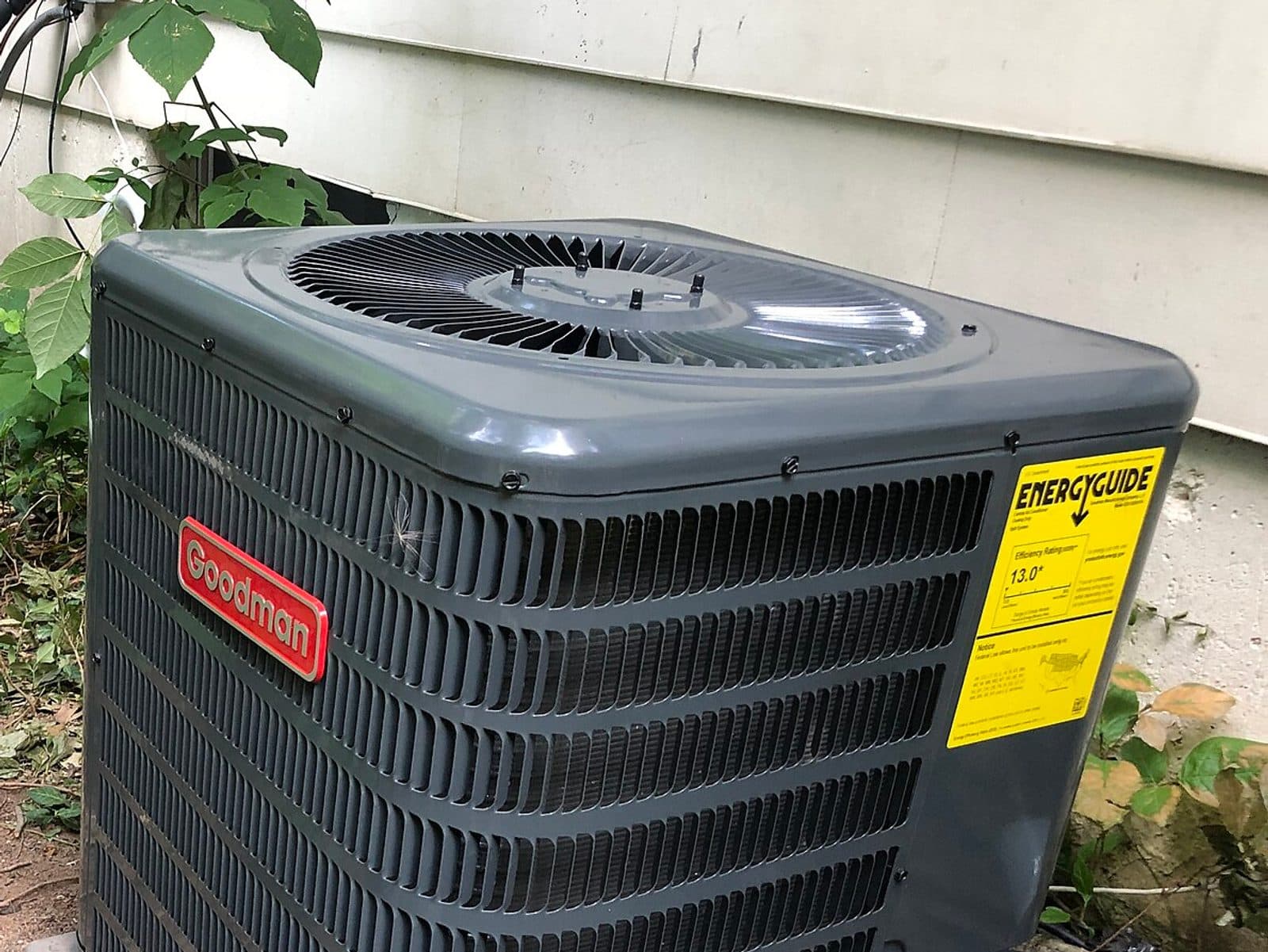
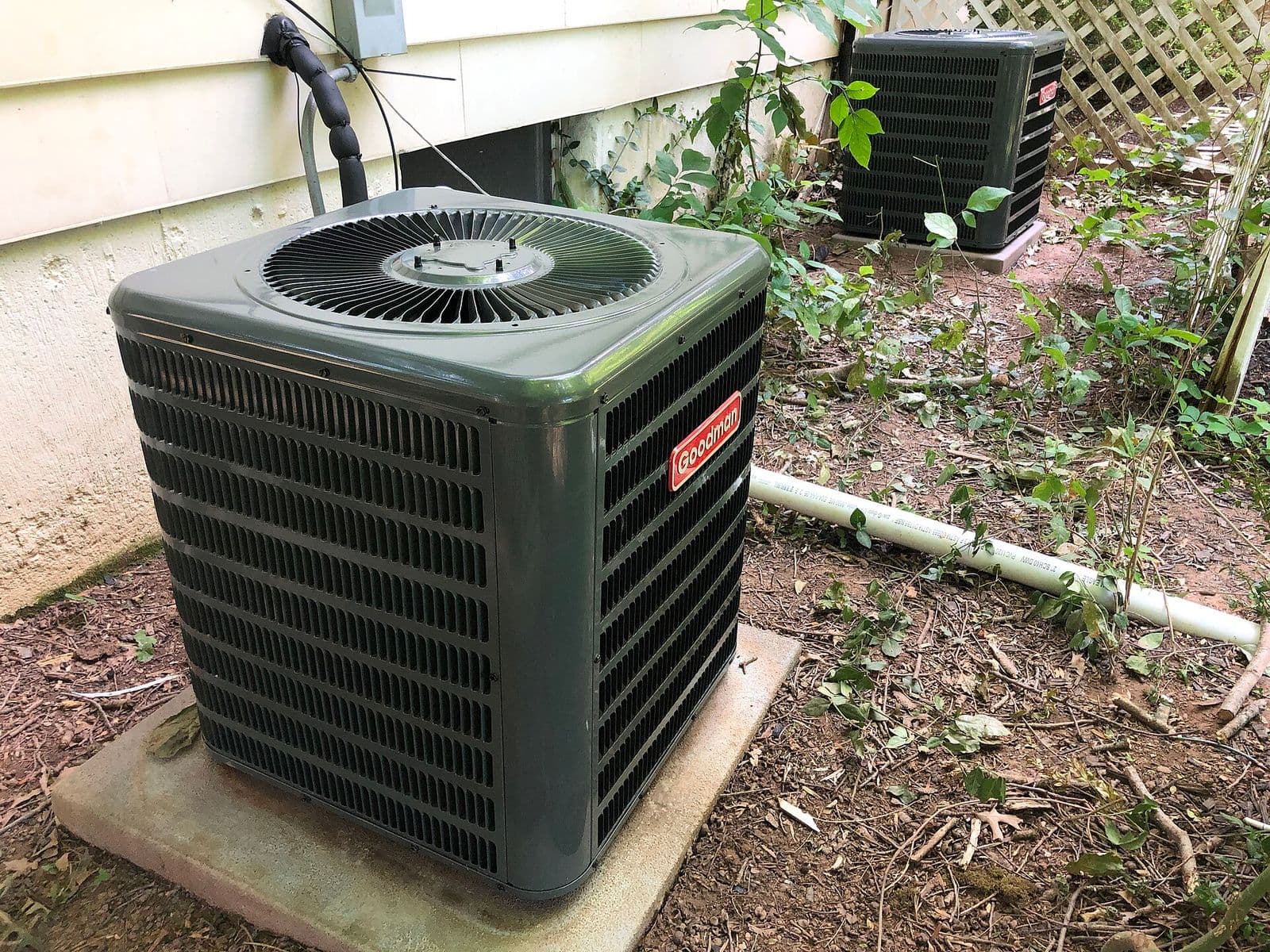
Heat pumps suit North Texas well: they cool like a standard AC all summer and heat efficiently through DFW's mild winter stretches. Their weak moments are specific — defrost failures that ice the outdoor unit, reversing valves that stick between seasons, and auxiliary heat strips that never engage during a February freeze. The comparison in heat pump vs. gas furnace in Texas explains where each system struggles.
Diagnosis differs from a standard AC repair: the technician tests both modes, the defrost board and sensor, reversing valve operation, and aux heat staging, plus the usual capacitor, charge, and airflow checks. Hail damage to the outdoor coil — common in DFW storms — is also inspected, since bent fins cut capacity in both seasons. Preventive AC maintenance covers heat pumps on the same seasonal schedule.
Heat Pump Repair at a glance
- Service
- Heat Pump Repair
- Service area
- Dallas-Fort Worth, TX metro (18 towns)
- Permits
- Handled by the HVAC technician
- Pricing
- You approve the price first
Signs
Signs you need heat pump repair
Outdoor unit encased in ice
Light frost that defrosts away is normal. A unit that stays iced, with ice climbing the coil and fan, has a defrost board, sensor, or refrigerant problem and will lose heating fast.
Blows cool air in Heat mode
Air that never warms in heating mode points to a stuck reversing valve, low charge, or aux heat that is not engaging. Check that the thermostat is not set to emergency heat confusion — the technician tests the valve directly.
Auxiliary heat light on constantly
Aux heat running for hours in mild weather usually means the heat pump itself is not producing heat, so the strips carry the load at high electric cost on the Oncor bill.
Loud clunk or whoosh at cycle changes
A brief whoosh during defrost is normal. Repeated loud clunks, grinding, or a fan that will not start point to reversing valve, motor, or capacitor faults.
System switches modes on its own or short cycles
Erratic mode changes and short cycles suggest control board, thermostat, or refrigerant pressure issues. Note when it happens for the technician — see AC short cycling.
Process
What the HVAC technician does
- 1
Step 1 — Dual-mode operation test
The system is run in both heating and cooling to confirm the reversing valve shifts and produces temperature change in each mode.
- 2
Step 2 — Defrost and aux heat testing
The defrost board is placed in test, sensors are measured, and auxiliary heat strips are verified to stage on when the heat pump cannot hold temperature.
- 3
Step 3 — Refrigerant and electrical diagnosis
Charge is measured for the season and mode, and capacitor, contactor, and fan and compressor amps are tested, including hail damage inspection of the outdoor coil.
- 4
Step 4 — Repair and mode verification
The failed part is replaced and both modes, a defrost cycle, and aux heat staging are verified before the visit closes.
Pricing
What affects the cost
Every home is different, so we don't publish prices — these are the factors the HVAC technician weighs when pricing the work.
Failed component
Defrost boards and sensors are smaller repairs; reversing valves, compressors, and blower motors involve refrigerant work and more labor.
Refrigerant work required
Valve and coil repairs require recovery, evacuation, and recharge by weight and measurement — handling requires EPA 608 certification.
Outdoor coil condition
Hail-bent fins or a leaking outdoor coil reduce capacity in both seasons and may shift the plan toward [heat pump installation](/hvac-services/heat-pump-installation/).
Auxiliary heat condition
Burned-out heat strips, failed sequencers, or undersized aux heat found during repair add electrical work inside the air handler.
System age and controls
Older heat pumps with obsolete defrost controls or communicating thermostats can require matched replacement controls.
DIY
What you can do — and what to leave alone
Safe for homeowners
- Confirm the thermostat is set to Heat (not Emergency Heat for routine use) and replace a clogged filter.
- Clear leaves and debris from the outdoor unit and confirm meltwater from defrost can drain away from the pad.
- Note whether the aux heat indicator runs constantly and whether ice clears between cycles — both help diagnosis.
Stop — call an HVAC technician
- Never chip ice off the outdoor coil with tools — the fins and tubing puncture easily.
- Never open the air handler or outdoor unit electrical panels; capacitors hold a charge with power off.
- Never add refrigerant or attempt reversing valve work; EPA 608 certification is required.
- Never leave the system on Emergency Heat for weeks without a diagnosis — it masks the fault at high cost.
- If a CO alarm sounds (homes with gas backup), leave the house and call 911.
FAQ
Heat Pump Repair: common questions
Why is my heat pump blowing cold air in winter?
Cold air in Heat mode usually means a stuck reversing valve, low refrigerant, or a defrost cycle running long. During defrost the air can briefly run cool — aux heat should temper it. If it never warms, the system needs testing in both modes.
Is ice on a heat pump normal?
Thin frost that melts during defrost cycles is normal in humid cold weather. Thick ice that keeps building, covers the fan, or lasts for hours is not — it signals a defrost, sensor, or charge fault. See [heat pump vs. gas furnace in Texas](/resources/heat-pump-vs-gas-furnace-texas/) for cold-weather limits.
What is auxiliary heat and why does it matter?
Auxiliary heat is electric strip heat (or gas backup on dual-fuel systems) that stages on when the heat pump cannot hold temperature alone, especially in a freeze. If aux heat fails, the house cools even though the heat pump runs.
Areas
Towns we serve
Related guides
Costs & Decisions
Heat Pump vs. Gas Furnace for a Texas Home
For most Dallas–Fort Worth homes, a heat pump heats efficiently through typical winter weather and cools in summer with the same equipment, while a gas furnace delivers stronger heat output during hard freezes if gas service is already at the home. The right choice depends on gas availability, winter comfort preference, and backup heat planning. A local HVAC technician in our network can compare both for your home.
Troubleshooting
AC Short Cycling: Why It Turns On and Off So Often
Short cycling is when the AC starts, runs for only a few minutes, shuts off, and restarts again and again. Common causes are an oversized system, low refrigerant, a clogged filter, a frozen coil, or a thermostat in the wrong spot. Because frequent starts wear the compressor, get it checked promptly by a local HVAC technician in our network.
Cooling
Frozen AC Coil: Why It Happens and What to Do
A frozen evaporator coil is caused by too little airflow across the coil or too little refrigerant inside it. Turn the cooling off, set the fan to ON to thaw the coil, and replace a clogged filter. Once thawed, a local HVAC technician in our network must fix the airflow or leak cause, or the coil will freeze again.