Short answer
A furnace that does not heat is often set wrong at the thermostat, has a clogged filter tripping a limit switch, or lost power or gas supply. Check the thermostat mode, filter, and breaker first. If you smell gas or a carbon monoxide alarm sounds, leave the house and call 911, then Atmos Energy. Do not open furnace panels.
Safety First: Gas Smell and CO Alarms Come Before Checks
If you smell rotten-egg gas odor, hear a hissing gas line, or a carbon monoxide alarm sounds, stop. Leave the house with everyone in it, do not flip light switches or use a garage door opener, and from outside call 911, then Atmos Energy. Do not go back in to open windows or grab items.
Carbon monoxide is odorless. Headaches, dizziness, or nausea that ease when you leave the house are warning signs. Treat any CO alarm as real until the fire department clears the home. A carbon monoxide safety check after the all-clear finds the source before the furnace runs again.
Thermostat, Filter, and Power Checks
Confirm the thermostat is set to HEAT, set above room temperature, with fresh batteries if it uses them. Many North Texas no-heat calls in the first cold snap are a thermostat still set to COOL from summer. Set the fan to AUTO so the furnace controls the blower.
Replace a clogged filter. A blocked filter overheats the heat exchanger until a high-limit switch shuts the burners down, then the blower may keep pushing cold air. Check the breaker for the furnace and confirm the furnace power switch, which often looks like a light switch near the unit, is on. Do not remove furnace panels to look inside.
- Thermostat on HEAT, set above room temperature, batteries fresh.
- Filter clean enough to see light through it.
- Furnace breaker on and the unit power switch on.
- Gas valve at the meter and at the furnace in the on position, if other gas appliances work.
Furnace Blows Cold Air: What That Pattern Means
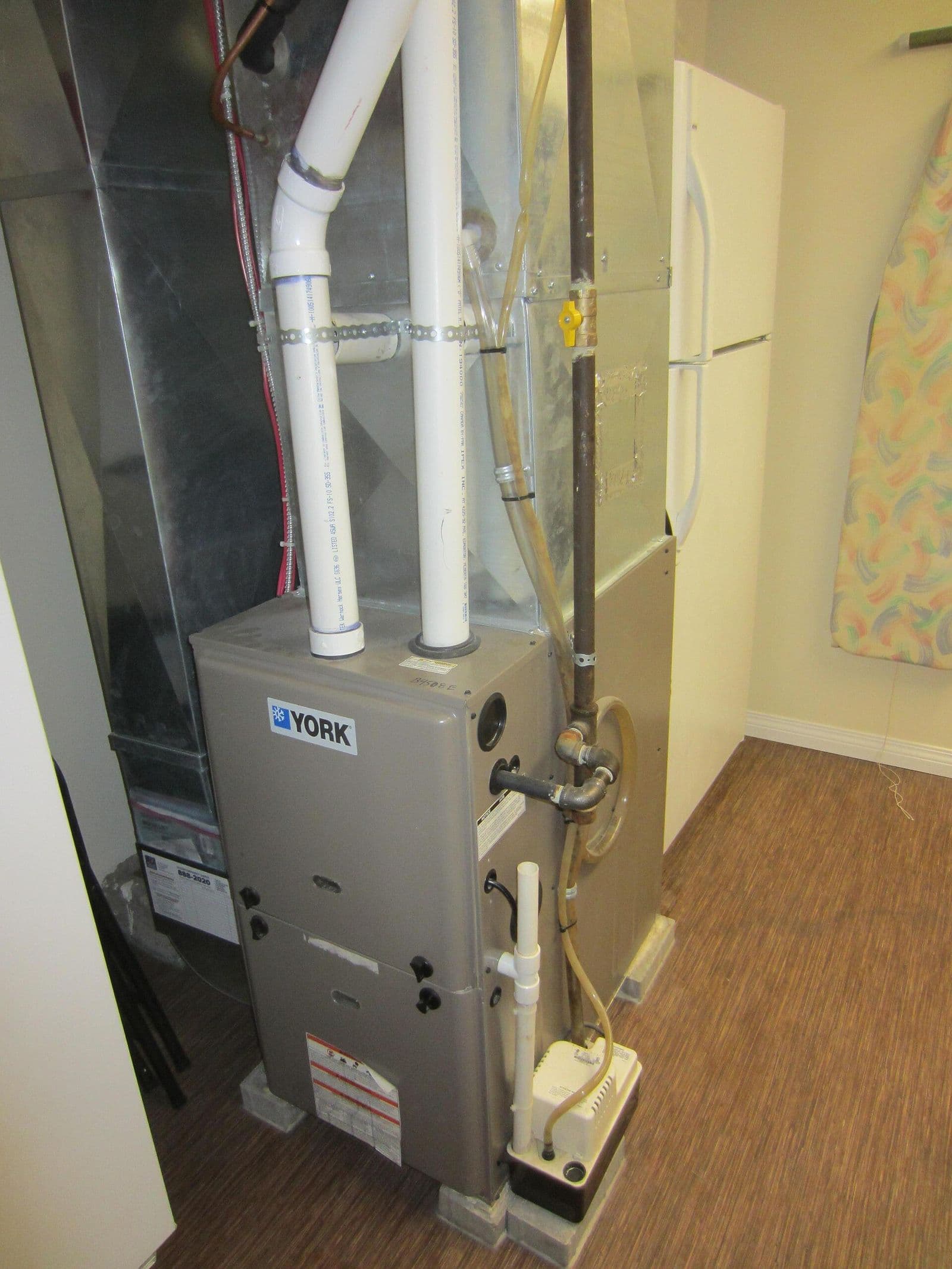
Cold air with the blower running usually means the burners never lit or shut down on a safety limit: a failed ignitor, a dirty flame sensor, an overheated exchanger from low airflow, or a pressure switch that will not prove the vent is clear. Modern furnaces blink a fault code on a control board light visible through a small sight glass; note the blink pattern without removing the panel.
A furnace that lights, heats briefly, then blows cold and repeats is often cycling on the high limit from restricted airflow. A furnace that never lights at all points to ignition or gas supply. Both patterns need a local HVAC technician in our network for furnace repair, since gas train and exchanger work is not homeowner work.
Hard Freezes Expose Weak Furnaces in North Texas
Dallas–Fort Worth furnaces sit idle for months, then get called hard during a freeze when attic temperatures drop and condensate lines on high-efficiency units can freeze. A furnace that short-cycles, rattles, or fails to start on the coldest night of the year usually showed smaller signs in the fall.
A fall heating maintenance visit checks the ignitor, flame sensor, heat exchanger, flue, and safety switches before the freeze arrives. If your furnace failed during a freeze, note whether the whole neighborhood lost gas pressure or power, which helps the technician separate a house fault from a supply fault.
When to Call and What a Technician Does
Call for emergency heating repair if the house has no heat during freezing weather, if the furnace repeatedly locks out, or if you see fault codes, smell burnt wiring, or hear loud banging at startup. For gas smell or a CO alarm, leave and call 911 first, before any service call.
A local HVAC technician in our network tests ignition, gas pressure, flame sensing, limit and pressure switches, the heat exchanger, and the flue, then explains the failed part and the written repair price before work starts. Heat exchanger cracks mean the furnace comes out of service until repaired or replaced, because cracked exchangers can leak carbon monoxide.
Editorial note: This guide is educational. HVAC work can be dangerous — when in doubt, call a local HVAC technician rather than opening anything up.
FAQ
Questions about this topic
Why is my furnace blowing cold air?
Cold air usually means the burners failed to light or shut down on a safety limit, while the blower kept running. Common causes are a failed ignitor, a dirty flame sensor, or overheating from a clogged filter. Note any fault code and call for furnace repair.
What should I do if I smell gas from my furnace?
Leave the house immediately without flipping switches, then call 911 from outside, followed by Atmos Energy. Do not re-enter until responders clear the home. Gas leaks are never a wait-for-service situation.
Can a dirty filter stop a furnace from heating?
Yes. A clogged filter restricts airflow, overheats the heat exchanger, and trips the high-limit switch, which shuts the burners off. Replace the filter and let the furnace cool; if it locks out again, call a technician.
Services for this topic
Related guides
Troubleshooting
Thermostat Not Working? Blank Screen and No Response Fixes
A thermostat that is blank or unresponsive usually lost power from dead batteries, a tripped breaker, or a condensate float switch that cut power to stop a water overflow. Replace batteries and check the breaker and drain pan first. If the screen returns but the system still will not run, call a local HVAC technician in our network.
Troubleshooting
HVAC Noises and What They Mean
Banging often means loose or broken blower or compressor parts, squealing points to a belt or motor bearing, rattling is usually loose panels or debris, and loud buzzing suggests an electrical fault. A hissing sound can mean a refrigerant leak. Turn the system off for grinding, loud banging, or electrical buzzing and call a local HVAC technician in our network.
Costs & Decisions
Heat Pump vs. Gas Furnace for a Texas Home
For most Dallas–Fort Worth homes, a heat pump heats efficiently through typical winter weather and cools in summer with the same equipment, while a gas furnace delivers stronger heat output during hard freezes if gas service is already at the home. The right choice depends on gas availability, winter comfort preference, and backup heat planning. A local HVAC technician in our network can compare both for your home.