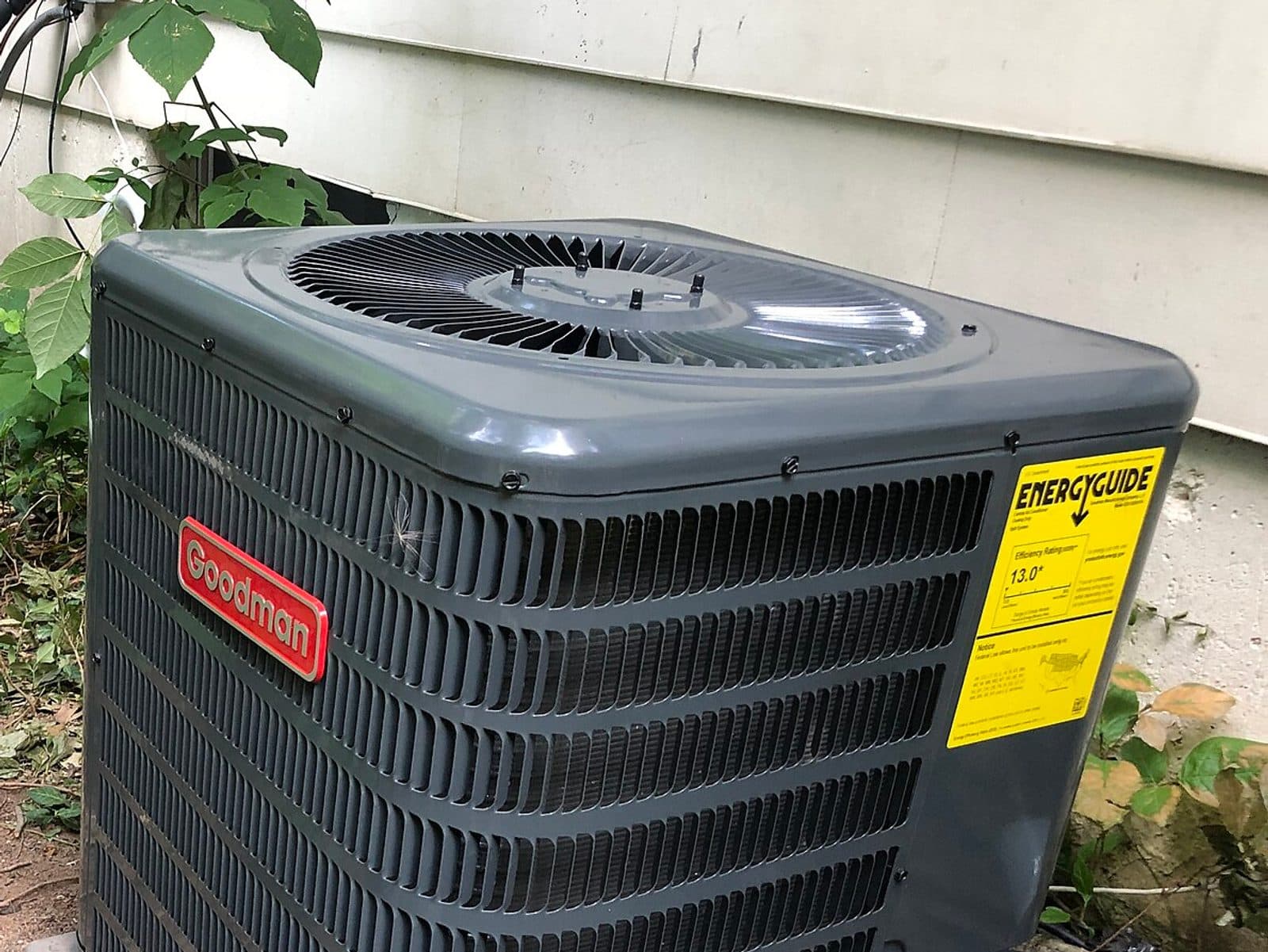
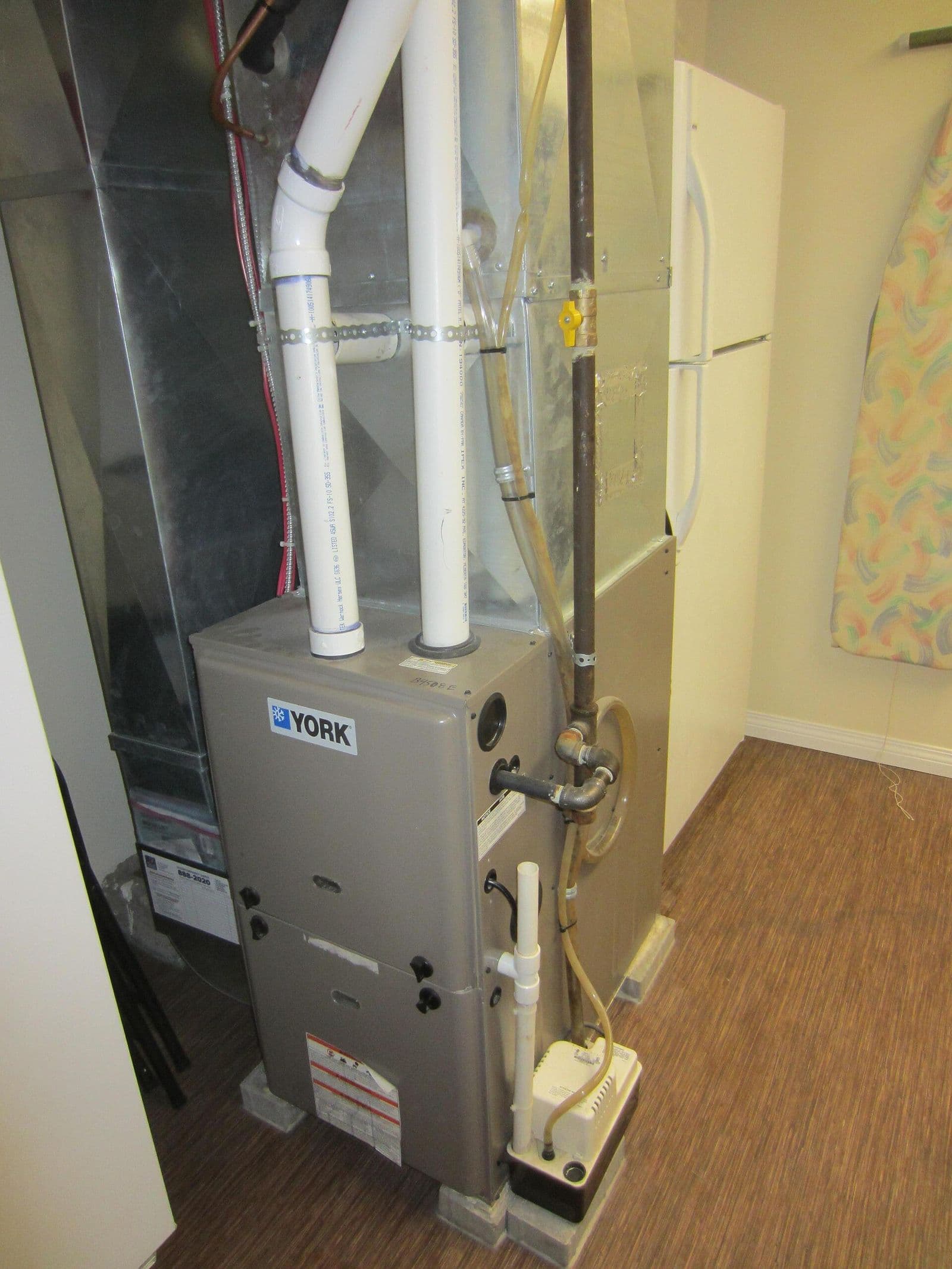
DFW furnaces sit idle most of the year, then get called hard during a February freeze — the same pattern behind burst pipes across North Texas in past storms. Igniters crack, flame sensors coat over, and inducer motors seize after long idle months, usually discovered on the coldest night. The furnace not heating guide lists the checks to make before you call.
Diagnosis follows the firing sequence: thermostat call, inducer start, pressure switch proof, igniter glow, gas valve open, flame sensing, and blower delivery. The technician also inspects the heat exchanger and venting, because a cracked exchanger is a carbon monoxide risk, not just a heating fault. Related work includes heating maintenance each fall and a carbon monoxide safety check when any combustion concern exists.
Furnace Repair at a glance
- Service
- Furnace Repair
- Service area
- Fort Worth, TX
- Permits
- Handled by the HVAC technician
- Pricing
- You approve the price first
Signs
Signs you need furnace repair
Furnace starts then shuts off in seconds
A dirty flame sensor or weak igniter lets the burners light and then drop out. The cycle repeats and the house never warms — a classic short-cycling pattern in gas furnaces.
Cold air from the vents on Heat
If the blower runs but no burners fire, the fault is in the ignition sequence, gas supply, or a safety switch that has locked the furnace out. Check that the gas valve at the furnace is on.
Loud bang or boom at startup
Delayed ignition lets gas build before it lights. That is a safety fault, not a quirk — turn the furnace off at the switch and have the burners and igniter inspected.
Yellow, flickering burner flames
Healthy gas flames are steady and mostly blue. Lazy yellow flames suggest dirty burners or a combustion problem that also raises carbon monoxide risk.
Soot, rust flakes, or a cracked heat exchanger concern
Soot around the furnace cabinet, rust in the burner area, or rollout marks point to venting or exchanger problems. These findings move the visit from repair to safety evaluation.
Fort Worth
What this looks like in Fort Worth
Furnace repair in Fort Worth centers on gas furnaces served by Atmos Energy in homes that range from Fairmount pier-and-beam houses with long crawlspace duct runs to newer far-north builds with high-efficiency condensing furnaces. Ignition failures, dirty flame sensors, and inducer problems are common after a summer of sitting idle, while older furnaces in west-side homes also need heat exchanger inspection because a cracked exchanger is a carbon monoxide risk, not just a heating failure.
A local HVAC technician in our network checks the full sequence: thermostat call, inducer operation, ignition, flame sensing, blower operation, and venting, and tests for carbon monoxide where the age or condition of the furnace calls for it. In crawlspace homes, the duct condition under the house affects heat delivery as much as the furnace itself, so warm and cold room complaints should include a look under the floor. Fort Worth Development Services permits apply to furnace replacements, while most repairs proceed without a permit unless gas line or venting work changes the installation.
Process
What the HVAC technician does
- 1
Step 1 — Safety and lockout check
The technician checks for gas odor, CO concerns, tripped rollout or limit switches, and error codes on the control board before cycling the furnace.
- 2
Step 2 — Ignition sequence testing
Inducer, pressure switch, igniter resistance, gas valve operation, and flame sensor signal are tested in firing order to isolate the failed step.
- 3
Step 3 — Repair and combustion check
The failed part is replaced, burners are cleaned if needed, and manifold pressure and flame quality are verified. The heat exchanger is visually inspected.
- 4
Step 4 — Full heat cycle verification
The furnace runs a complete cycle: startup, steady burn, blower delivery, and clean shutdown, with supply temperature confirmed at the vents.
Pricing
What affects the cost
Every home is different, so we don't publish prices — these are the factors the HVAC technician weighs when pricing the work.
Failed component
An igniter or flame sensor is a smaller repair than an inducer motor, blower motor, gas valve, or control board.
Heat exchanger condition
A cracked heat exchanger is not a repair item — it means furnace replacement for safety, which changes the conversation entirely.
Furnace age and brand parts
Older furnaces and less common brands can require ordered igniters, boards, or motors instead of stocked parts.
Venting condition
Blocked, rusted, or improperly sloped vent pipe found during repair must be corrected for safe combustion.
Access and location
Attic furnaces, closet installs with tight clearances, and horizontal units in low attics take longer to service safely.
DIY
What you can do — and what to leave alone
Safe for homeowners
- Confirm the thermostat is on Heat, set above room temperature, and has working batteries if it uses them.
- Replace a clogged filter — a blocked filter trips the high-limit switch and shuts burners down.
- Check that the furnace power switch and breaker are on and the gas valve handle is parallel to the pipe.
Stop — call an HVAC technician
- If you smell gas, leave the house immediately, call 911 from outside, then Atmos Energy — do not flip switches or relight anything.
- If a carbon monoxide alarm sounds, leave the house and call 911; do not ventilate and stay inside.
- Never open the furnace burner compartment or bypass a rollout, limit, or pressure switch to force heat.
- Never adjust the gas valve, manifold pressure, or venting yourself.
- Never run a furnace with a suspected cracked heat exchanger.
FAQ
Furnace Repair: common questions
Why does my furnace run then shut off?
Short runs usually mean a dirty flame sensor, an overheating limit switch from a clogged filter, or a pressure switch fault. The technician tests the firing sequence in order to find which step drops out — see [furnace not heating](/resources/furnace-not-heating/).
Is a yellow furnace flame dangerous?
Yes, it can be. Steady blue flames are normal; yellow, flickering flames point to dirty burners or poor combustion that can produce carbon monoxide. Turn the furnace off and book a [carbon monoxide safety check](/hvac-services/carbon-monoxide-safety-check/).
Can a cracked heat exchanger be repaired?
No. A cracked heat exchanger cannot be safely repaired and the furnace must be replaced, because exhaust gases including carbon monoxide can enter the supply air. The technician will show you the finding and discuss [furnace installation](/hvac-services/furnace-installation/).
Why does my Fort Worth furnace start and then shut off after a few seconds?
A dirty or failing flame sensor is a frequent cause: the furnace lights, cannot prove flame, and shuts the gas off for safety. Other causes include a blocked vent, a failing inducer, or an overheating limit from restricted airflow and a clogged filter. A technician cleans or replaces the sensor and verifies venting and airflow so the fix addresses the actual cause.
Should a cracked heat exchanger always mean furnace replacement in Fort Worth?
Yes. A cracked heat exchanger can allow combustion gases including carbon monoxide into the home's air, and the furnace should not be operated in that condition. A local HVAC technician in our network will shut the furnace down, document the finding, and quote a permitted replacement through the City of Fort Worth Development Services process.
Areas
Nearby towns
Related services
Related guides
Heating
Furnace Not Heating? Safe Checks for Texas Homes
A furnace that does not heat is often set wrong at the thermostat, has a clogged filter tripping a limit switch, or lost power or gas supply. Check the thermostat mode, filter, and breaker first. If you smell gas or a carbon monoxide alarm sounds, leave the house and call 911, then Atmos Energy. Do not open furnace panels.
Troubleshooting
Thermostat Not Working? Blank Screen and No Response Fixes
A thermostat that is blank or unresponsive usually lost power from dead batteries, a tripped breaker, or a condensate float switch that cut power to stop a water overflow. Replace batteries and check the breaker and drain pan first. If the screen returns but the system still will not run, call a local HVAC technician in our network.