Short answer
An AC blowing warm air is most often set to fan-only or heat by mistake, has a clogged filter, lost power to the outdoor unit, or is low on refrigerant. Check the thermostat mode, filter, and outdoor disconnect first. If the outdoor unit runs but the air stays warm, call a local HVAC technician in our network for diagnosis.
Start With the Thermostat and Filter
Confirm the thermostat is set to COOL, set below the current room temperature, and the fan is set to AUTO rather than ON. On AUTO the fan stops between cooling cycles. On ON it keeps blowing air even when the system is not cooling, which feels warm.
Next, pull the return filter and hold it up to light. If you cannot see light through it, replace it. A clogged filter restricts airflow across the indoor coil and can cut cooling sharply. See the guide on how often to change your AC filter for Dallas–Fort Worth dust and pollen conditions.
Check Power to the Outdoor Unit
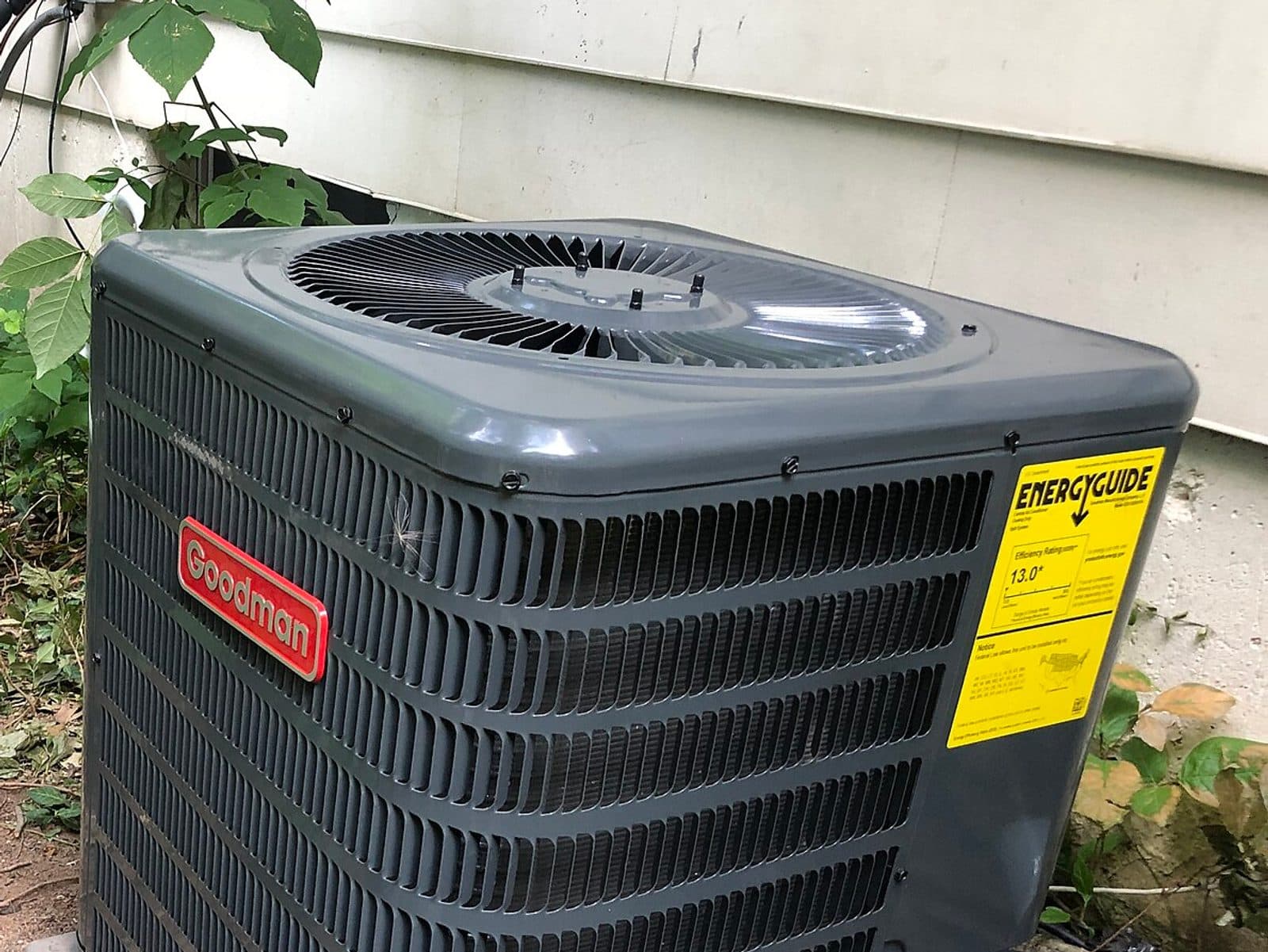
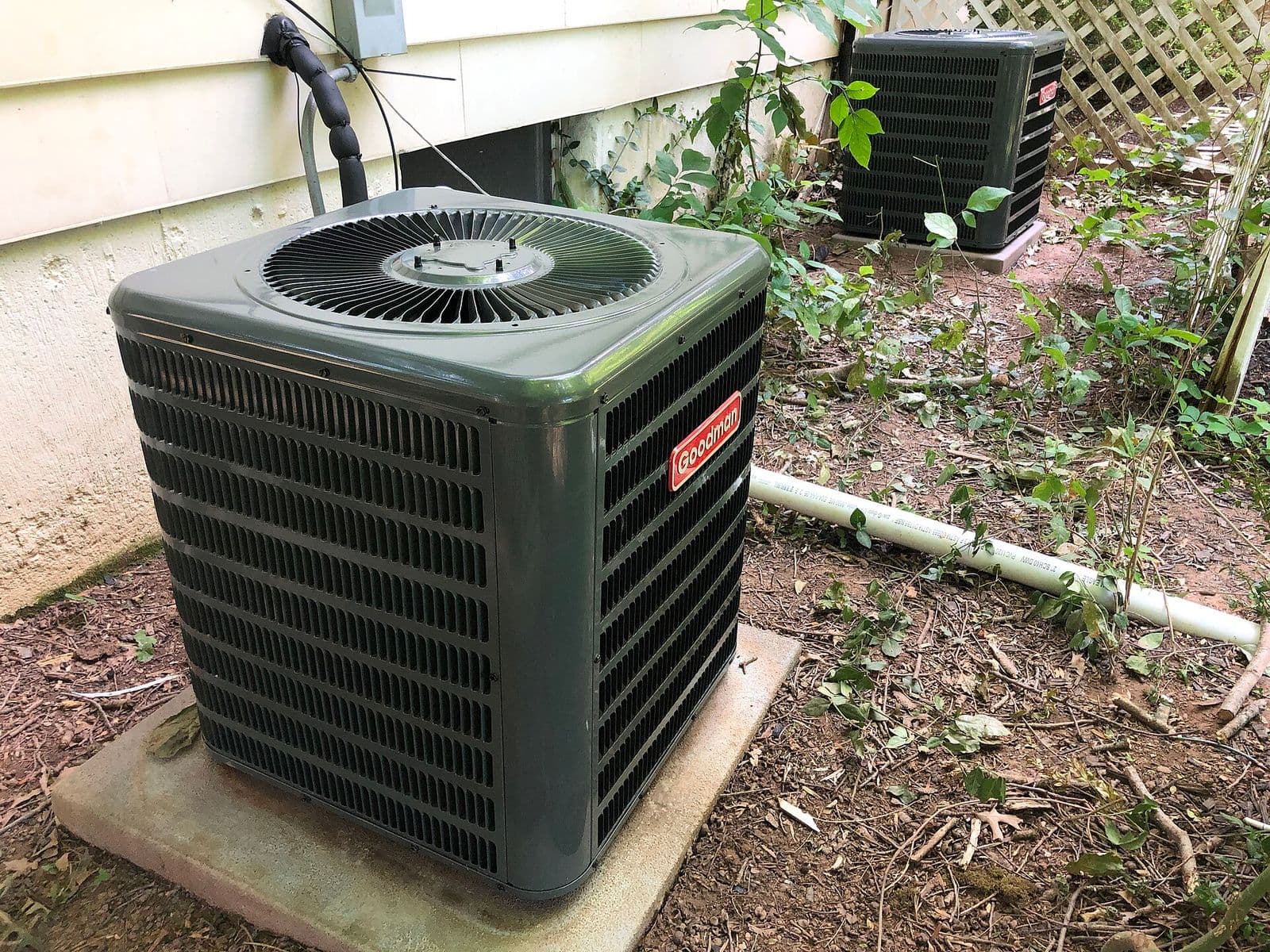
Go outside and look at the condenser. If the fan is not spinning and the unit is silent while the indoor blower runs, the outdoor unit may have lost power. Check the breaker panel for a tripped breaker labeled AC or condenser, and look at the disconnect box near the unit.
You may reset a tripped breaker once. If it trips again, leave it off. A breaker that keeps tripping points to a short, a failing capacitor, or a compressor problem that needs a local HVAC technician in our network, not repeated resets.
What Warm Air Usually Means When Both Units Run
If the indoor blower and outdoor fan both run but the supply air is warm or only slightly cool, the short list narrows. The system may be low on refrigerant from a leak, the outdoor coil may be matted with dirt and cottonwood, or the compressor may be failing to start.
Do not add refrigerant yourself and do not open the refrigerant circuit. Refrigerant handling requires EPA Section 608 certification. Low charge is a symptom of a leak, so topping off without a leak search does not fix the problem. A technician handles refrigerant leak repair with gauges, a leak search, and a weighed recharge.
- Low refrigerant from a leak at a coil, line set joint, or service valve.
- Dirty outdoor coil that cannot release heat in triple-digit air.
- Failed start capacitor, so the compressor never starts even though the fan spins.
- Frozen indoor coil from low airflow, which then blocks cooling entirely.
North Texas Heat Makes Small Problems Feel Big
Dallas–Fort Worth systems run long hours from May through September, and many air handlers sit in hot attics where duct leaks and weak insulation show up fast. A system that cools in the morning but blows lukewarm air at 4 p.m. on a 102-degree day may be undersized, low on charge, or losing cold air through leaky attic ducts.
If only upstairs rooms are warm, airflow and duct problems move up the list. Duct sealing and repair and a check of attic duct connections often matter more than a larger unit.
When to Call and What a Technician Does
Call for AC repair if both units run and the air stays warm, if ice appears on the copper lines, if the breaker trips twice, or if the system blows warm air after a filter change and thermostat check. In extreme heat, do not wait days with no cooling, especially with infants, older adults, or anyone with a medical condition in the home.
A local HVAC technician in our network measures supply and return temperatures, checks refrigerant pressures, tests the capacitor and contactor, inspects both coils, and confirms airflow. You get the cause in plain language and you approve the price before repair work starts. If the system has failed completely, see the emergency HVAC page.
Editorial note: This guide is educational. HVAC work can be dangerous — when in doubt, call a local HVAC technician rather than opening anything up.
FAQ
Questions about this topic
Why is my AC running but blowing warm air?
The most common reasons are a thermostat set to ON instead of AUTO, a clogged filter, no power to the outdoor unit, or low refrigerant from a leak. Check the first three, then call a local HVAC technician in our network if the air is still warm.
Can a dirty filter cause warm air?
Yes. A filter blocked with dust starves the indoor coil of airflow, which reduces cooling and can freeze the coil. Replace the filter and let a frozen coil thaw fully before judging whether cooling returns.
Should I turn the AC off if it blows warm air?
Yes, if you see ice on the lines, hear grinding or repeated clicking, or the breaker trips again. Turn the system off at the thermostat and call for service so a small fault does not damage the compressor.
Services for this topic
Related guides
Troubleshooting
AC Not Cooling the House? A Step-by-Step Check
An AC that runs but does not cool the house usually has restricted airflow, a dirty outdoor coil, low refrigerant, or leaky ducts. Check the filter, confirm every supply vent is open, and rinse debris off the outdoor coil. If the indoor temperature keeps rising on a normal day, call a local HVAC technician in our network.
Cooling
Frozen AC Coil: Why It Happens and What to Do
A frozen evaporator coil is caused by too little airflow across the coil or too little refrigerant inside it. Turn the cooling off, set the fan to ON to thaw the coil, and replace a clogged filter. Once thawed, a local HVAC technician in our network must fix the airflow or leak cause, or the coil will freeze again.
How-To
How Often Should You Change Your AC Filter?
Change a standard 1-inch filter every 1 to 3 months, and check it monthly during Dallas–Fort Worth summer when the system runs daily. Homes with pets, allergies, or nearby construction need monthly changes. If you cannot see light through the filter, it is already overdue.