Short answer
An AC that runs but does not cool the house usually has restricted airflow, a dirty outdoor coil, low refrigerant, or leaky ducts. Check the filter, confirm every supply vent is open, and rinse debris off the outdoor coil. If the indoor temperature keeps rising on a normal day, call a local HVAC technician in our network.
Prove the System Is Actually Cooling
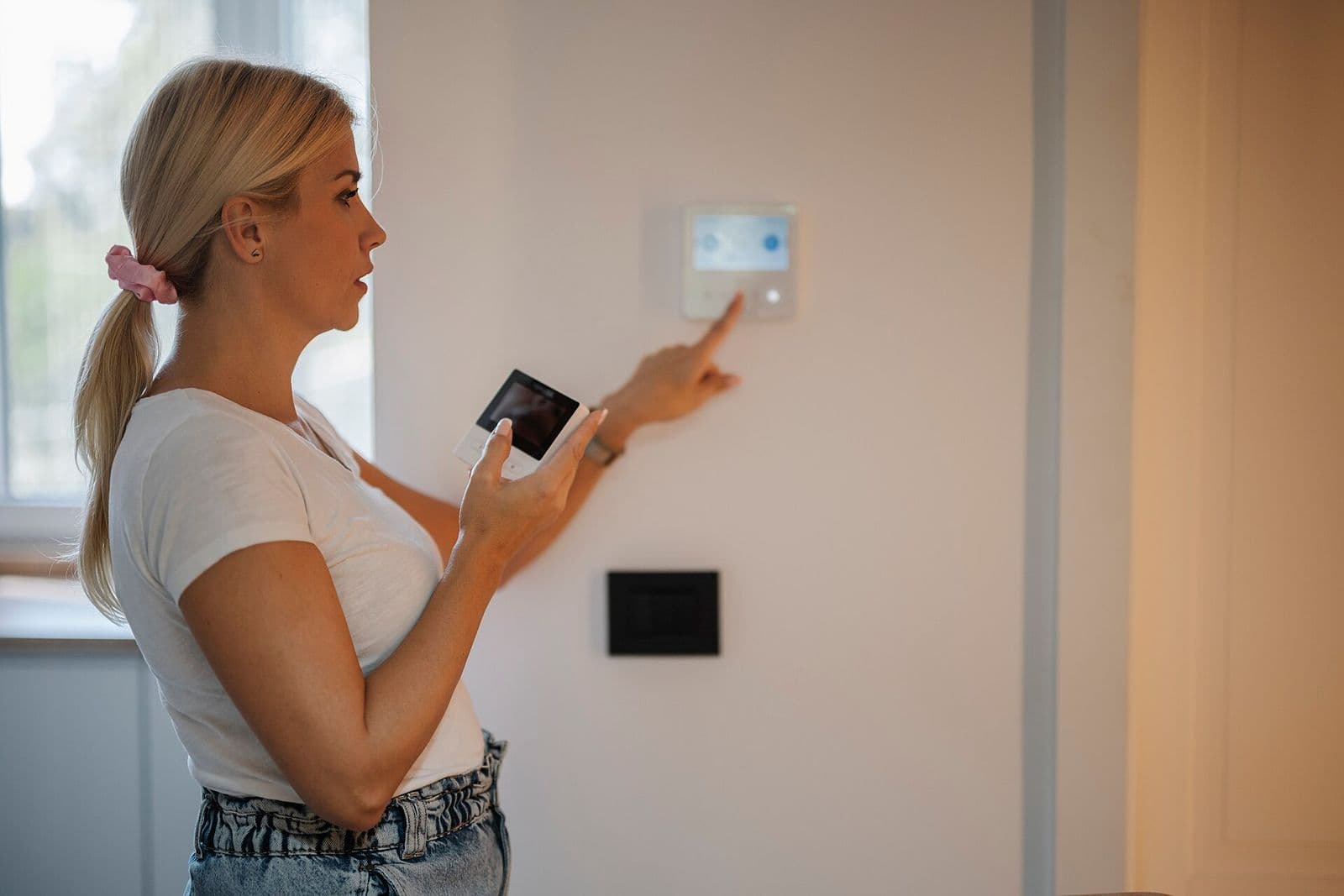
Hold your hand at a supply vent while the system runs. The air should feel clearly cold, not just moving. Note the thermostat reading, set the system 3 degrees lower, and give it 20 minutes. A healthy system in Dallas–Fort Worth should hold or slowly drop the temperature on all but the hottest afternoons.
If the vent air is cold but the house stays hot, the problem is often capacity, runtime, or air distribution: closed vents, blocked returns, leaky attic ducts, or a system that is too small for the load. If the vent air is not cold, the problem is in the refrigeration cycle or controls. That split guides the rest of the checks.
Airflow Checks You Can Do Safely
Replace a clogged filter, open every supply vent, and move furniture or rugs off return grilles. Closing vents to push air to other rooms usually backfires: it raises duct pressure, reduces total airflow, and can freeze the indoor coil.
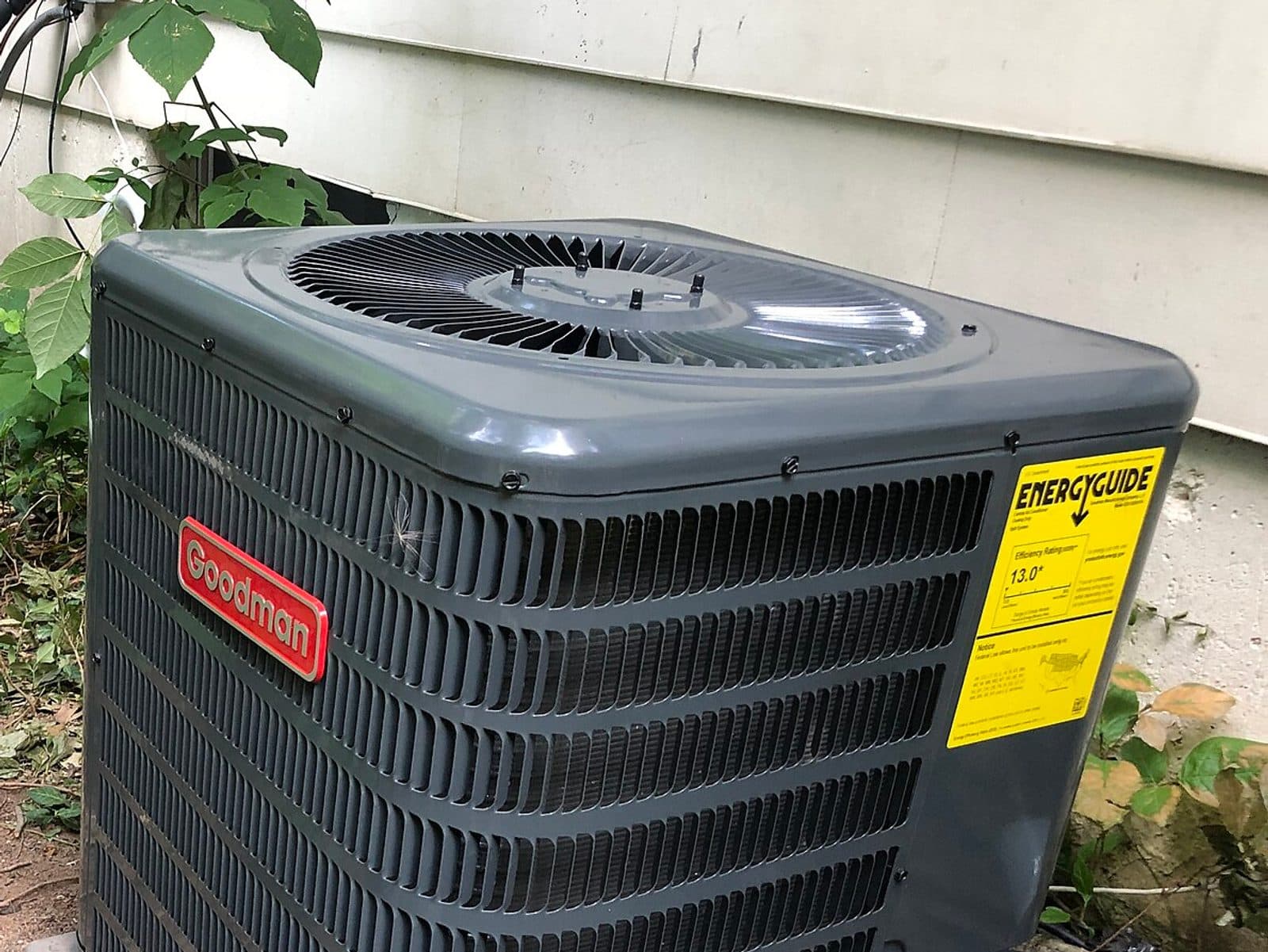
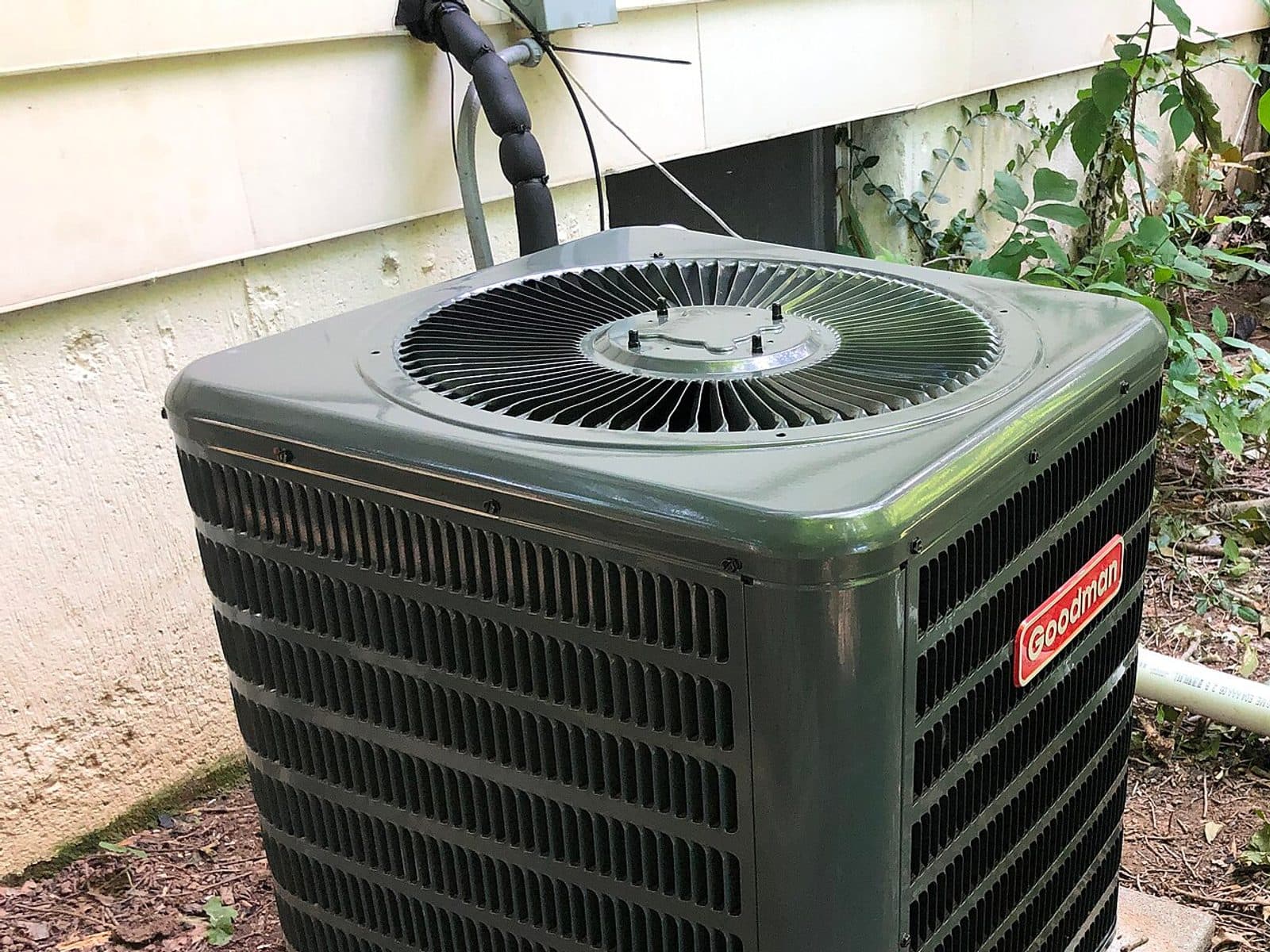
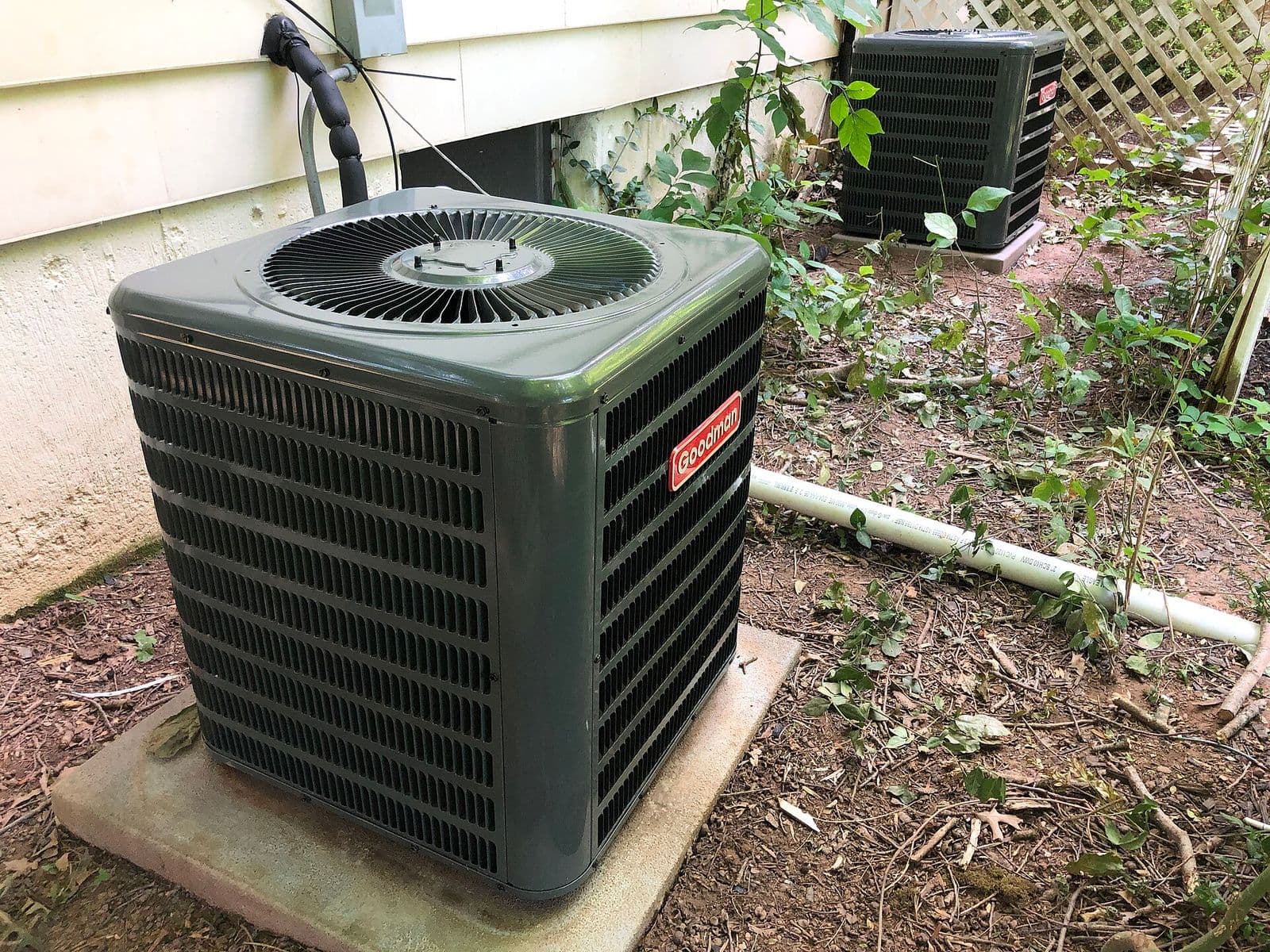
Look at the outdoor unit next. Leaves, grass clippings, and cottonwood fluff mat against the coil fins and trap heat. With the power off at the disconnect, rinse the coil gently from the outside with a garden hose. Do not use a pressure washer, which bends the fins flat. For deeper cleaning and a full check, schedule AC maintenance.
- Filter clogged or the wrong size, letting dust coat the indoor coil.
- Supply vents closed or returns blocked by furniture.
- Outdoor coil matted with dirt, grass, or cottonwood.
- Blower running on the wrong speed after a past repair or thermostat change.
Causes That Need Gauges, Not Guesses
Low refrigerant, a weak compressor, a failing metering device, and a frozen coil all produce the same complaint: the system runs and the house stays hot. None of them can be confirmed by feel. A technician connects gauges, measures superheat and subcooling, and compares the readings to the rating plate.
Never open panels on the outdoor unit or handle refrigerant lines. Refrigerant work requires EPA Section 608 certification, and the sealed system should only be opened by a local HVAC technician in our network. If you suspect a leak, refrigerant leak repair starts with finding the leak, not just adding charge.
When Heat Load Beats a Healthy System
On a 105-degree afternoon, even a healthy, correctly sized system may only hold the house in the high 70s if the attic ducts leak, the attic insulation is thin, or west-facing glass pours heat in after 3 p.m. That is a building and duct problem, not always a broken AC.
Clues include one hot end of the house, big differences between rooms, and dust streaks at duct joints. An HVAC inspection with duct checks separates a repair problem from a distribution problem before you spend on the wrong fix. Our guide to preparing your AC for a Texas summer covers the spring checks that prevent most mid-summer shortfalls.
When to Call and What a Technician Does
Call for AC repair if the vent air is not cold, the temperature rises while the system runs, you see ice, or the system has run nonstop for hours without reaching the set point on a day under 100 degrees. Call sooner in extreme heat if anyone in the home is heat-sensitive.
A local HVAC technician in our network checks refrigerant charge, coil condition, blower airflow, duct static pressure, and electrical components, then explains whether the fix is a repair, a cleaning, duct work, or the start of a replacement conversation. You approve the price before work begins.
Editorial note: This guide is educational. HVAC work can be dangerous — when in doubt, call a local HVAC technician rather than opening anything up.
FAQ
Questions about this topic
Why does my AC run all day and never reach the set temperature?
Continuous running without reaching the set point usually means low refrigerant, dirty coils, weak airflow, or leaky ducts adding load faster than the system can remove it. A technician measures charge and airflow to find which one it is.
How cold should the air from my vents be?
Supply air is typically noticeably colder than room air when the system is cooling correctly. If vent air feels room-temperature or warm while the outdoor unit runs, the refrigeration cycle or controls need professional diagnosis.
Is it normal for the house to stay hot on very hot days?
It can be, on extreme days above 100 degrees, if ducts leak or insulation is thin. It is not normal on a 92-degree day. If the house cannot hold temperature in ordinary summer weather, schedule a diagnosis.
Services for this topic
Related guides
Troubleshooting
AC Blowing Warm Air? Causes and What to Check
An AC blowing warm air is most often set to fan-only or heat by mistake, has a clogged filter, lost power to the outdoor unit, or is low on refrigerant. Check the thermostat mode, filter, and outdoor disconnect first. If the outdoor unit runs but the air stays warm, call a local HVAC technician in our network for diagnosis.
Cooling
Frozen AC Coil: Why It Happens and What to Do
A frozen evaporator coil is caused by too little airflow across the coil or too little refrigerant inside it. Turn the cooling off, set the fan to ON to thaw the coil, and replace a clogged filter. Once thawed, a local HVAC technician in our network must fix the airflow or leak cause, or the coil will freeze again.
How-To
How to Prepare Your AC for a Texas Summer
Prepare your AC in spring by replacing the filter, clearing debris from the outdoor unit, confirming the condensate drain flows, testing cooling before the first heat wave, and scheduling a tune-up. Catching a weak capacitor, low charge, or clogged drain in April beats an emergency call in July. A local HVAC technician in our network handles the gauge and electrical checks.