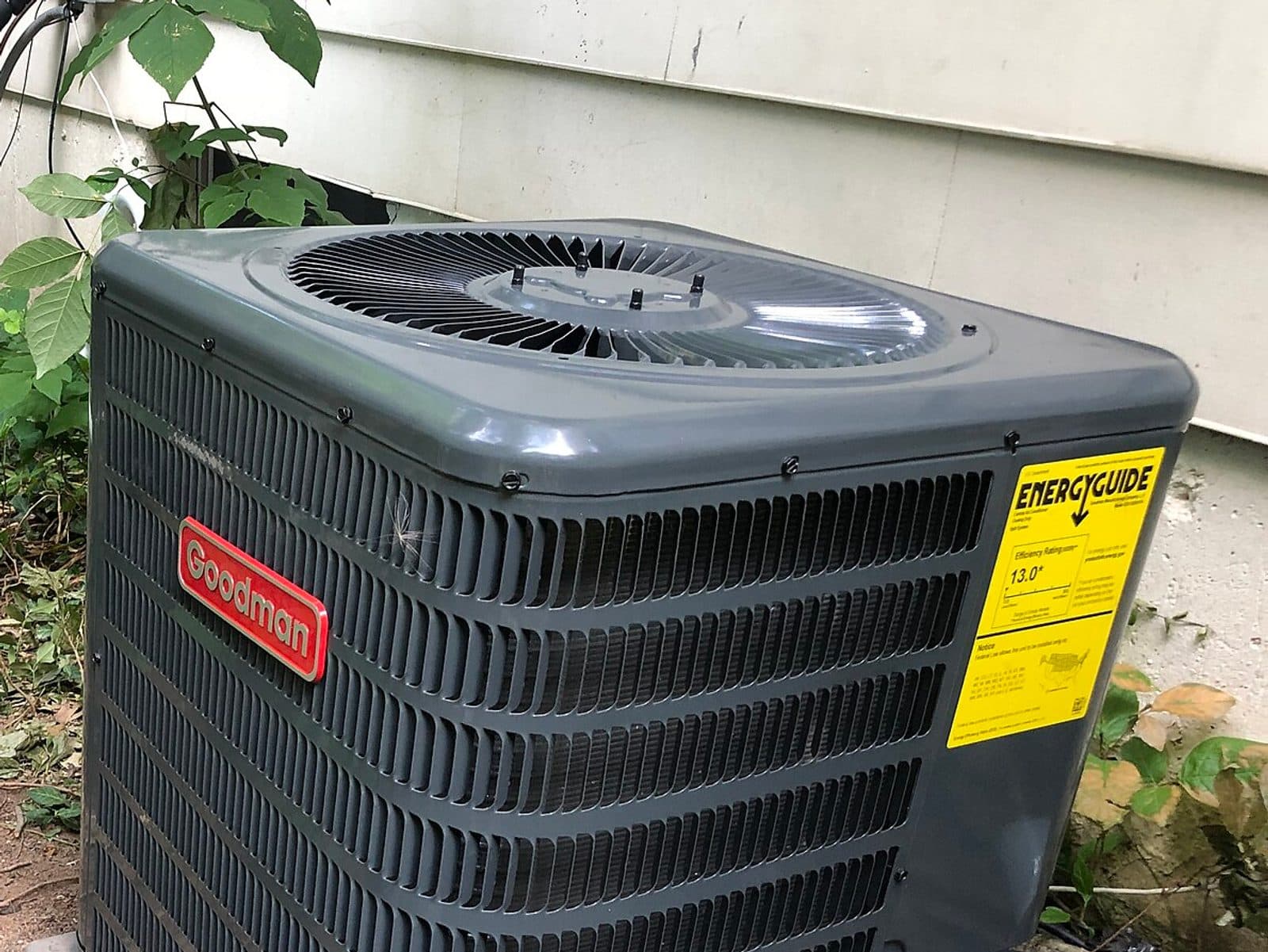
Short answer
For most Dallas–Fort Worth homes, a heat pump heats efficiently through typical winter weather and cools in summer with the same equipment, while a gas furnace delivers stronger heat output during hard freezes if gas service is already at the home. The right choice depends on gas availability, winter comfort preference, and backup heat planning. A local HVAC technician in our network can compare both for your home.
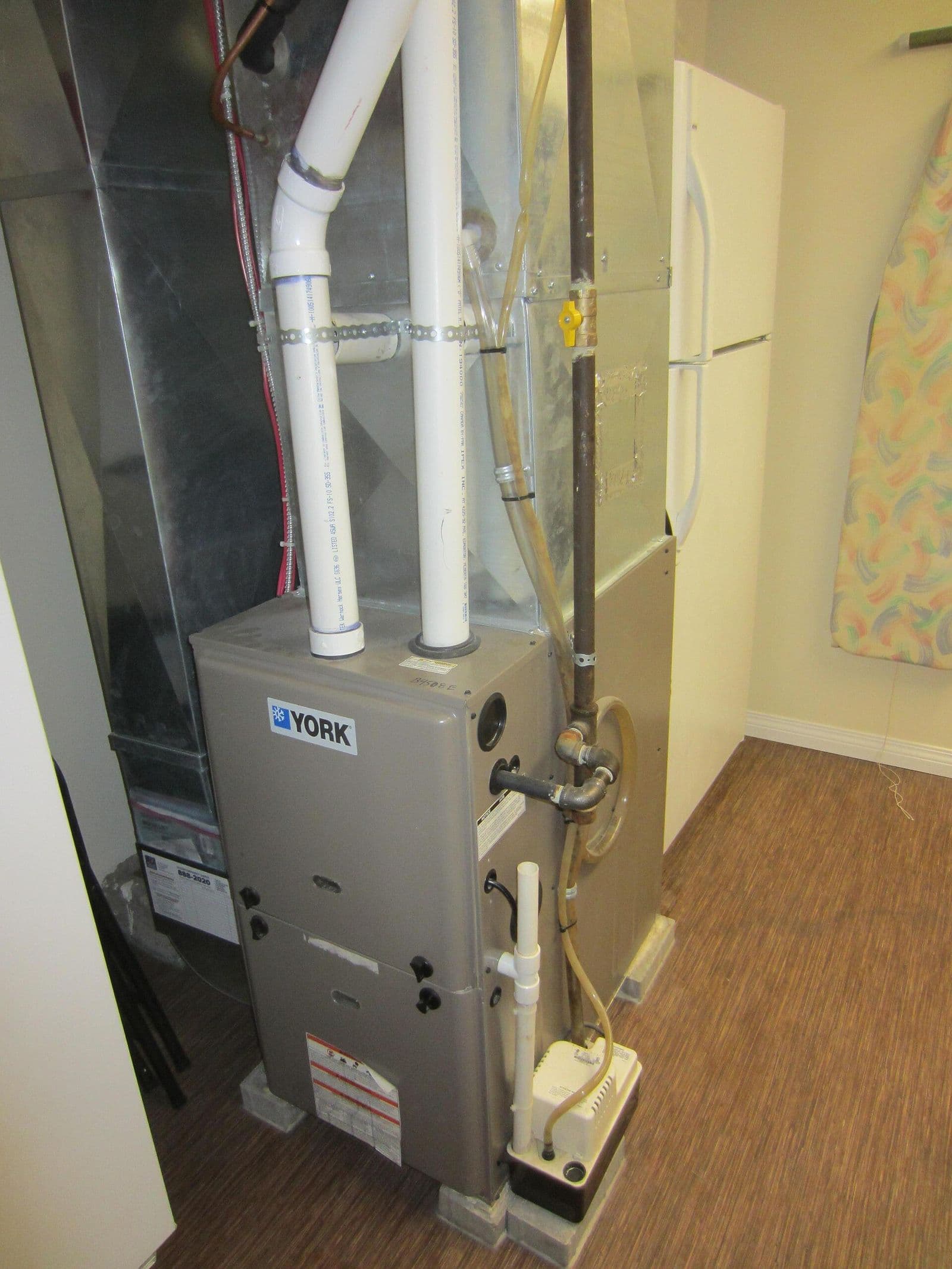
How Each System Heats
A heat pump moves heat rather than making it. In summer it moves heat out of the house like a standard AC. In winter it reverses and moves heat from outdoor air into the house, even on cold days, though its capacity falls as outdoor temperatures drop.
A gas furnace burns natural gas in a heat exchanger and blows warmed air through the ducts. Output stays strong regardless of outdoor temperature, which is why furnace heat feels forceful during a freeze. Homes without gas service use electric furnaces or heat pumps with electric backup instead.
Texas Winter Reality: Mild Days, Sharp Freezes
Most DFW heating hours happen on days in the 30s to 50s, where a heat pump runs efficiently. Hard freezes are shorter but memorable: multi-day cold snaps test backup heat, pipes, and condensate lines. A heat pump in a freeze relies on auxiliary heat strips or a dual-fuel setup, which changes operating cost during those days.
Dual fuel pairs a heat pump with a gas furnace: the heat pump handles mild weather and the furnace takes over below a set outdoor temperature. It suits homes with gas service that want heat pump efficiency most of the season and furnace strength in a freeze. Heat pump installation and furnace installation quotes can both be scoped for the same home.
- Heat pump strength: one system heats and cools, efficient in mild to moderate cold.
- Heat pump limit: capacity drops in deep cold, so backup heat sizing matters.
- Gas furnace strength: strong, steady output in any freeze, if gas is available.
- Gas furnace limit: separate AC still needed for cooling, and gas safety checks apply.
Fuel Availability and Operating Patterns
If the home already has gas service for a water heater or range, adding a gas furnace is straightforward. If the street has no gas line, bringing gas to the home changes the project scope entirely, and a heat pump usually becomes the practical choice. Atmos Energy is the gas utility for most of the DFW area.
Operating cost depends on your gas and electric rates, the heat pump efficiency rating, and how much backup heat runs in a given winter. Ask for a comparison based on your actual utility rates and past bills rather than generic savings claims. No honest comparison can be made from equipment ratings alone.
Comfort Differences You Will Feel
Heat pump supply air feels warm rather than hot, and cycles run longer and steadier. Some homeowners prefer that even profile; others prefer the hotter blast of a gas furnace. Homes that feel drafty with a heat pump often have duct leaks or low airflow that a furnace masked with hotter air.
Both systems use the same ducts in most homes, so duct condition affects either choice equally. Sealing attic duct leaks improves comfort more than switching fuel in many houses. If cold rooms are the complaint, have ducts checked before deciding the fuel debate settles it. See the guide on a furnace not heating for how furnace faults present.
When to Call and What a Technician Does
Call when a system is due for replacement or when winter bills or freeze performance push you to reconsider. A local HVAC technician in our network confirms gas availability, performs a load calculation for both heating and cooling, checks electrical capacity for backup heat, and provides written options for heat pump installation and furnace pairing.
For homes keeping a heat pump, ask about cold-weather performance data for the specific model and the auxiliary heat plan. For homes with an existing heat pump that struggles, heat pump repair may restore performance without a fuel switch.
Editorial note: This guide is educational. HVAC work can be dangerous — when in doubt, call a local HVAC technician rather than opening anything up.
FAQ
Questions about this topic
Do heat pumps work in a Texas freeze?
Yes, with correct sizing and backup heat. Heat pump capacity falls as outdoor temperatures drop, so auxiliary heat strips or a dual-fuel furnace carry the load during hard freezes. The backup plan is part of a proper install.
What is dual fuel?
Dual fuel pairs an electric heat pump with a gas furnace. The heat pump heats in mild weather, and the furnace takes over below a set outdoor temperature, combining heat pump efficiency with furnace strength in a freeze.
Which is cheaper to run in Dallas–Fort Worth?
It depends on your gas and electric rates, equipment efficiency, and how cold the winter runs. A technician can compare both options using your actual utility rates and bills rather than generic estimates.
Services for this topic
Related guides
Costs & Decisions
What Determines the Cost of a New HVAC System?
The cost of a new HVAC system is set by system size and type, efficiency rating, duct condition, and the labor to install it correctly in your home. This guide lists factors only, with no prices, because an accurate quote requires a load calculation and a look at your ducts and electrical setup. A local HVAC technician in our network provides a written quote after that assessment.
Heating
Furnace Not Heating? Safe Checks for Texas Homes
A furnace that does not heat is often set wrong at the thermostat, has a clogged filter tripping a limit switch, or lost power or gas supply. Check the thermostat mode, filter, and breaker first. If you smell gas or a carbon monoxide alarm sounds, leave the house and call 911, then Atmos Energy. Do not open furnace panels.
Costs & Decisions
Signs Your AC Needs Replacing, Not Another Repair
An AC usually needs replacing when repairs repeat every season, the compressor or coil fails, energy bills climb while comfort falls, or the system uses an older refrigerant that is costly to service. One repair on a younger system is normal. A pattern of failures is the signal. A local HVAC technician in our network can lay out repair and replacement side by side in writing.