
Short answer
Short cycling is when the AC starts, runs for only a few minutes, shuts off, and restarts again and again. Common causes are an oversized system, low refrigerant, a clogged filter, a frozen coil, or a thermostat in the wrong spot. Because frequent starts wear the compressor, get it checked promptly by a local HVAC technician in our network.
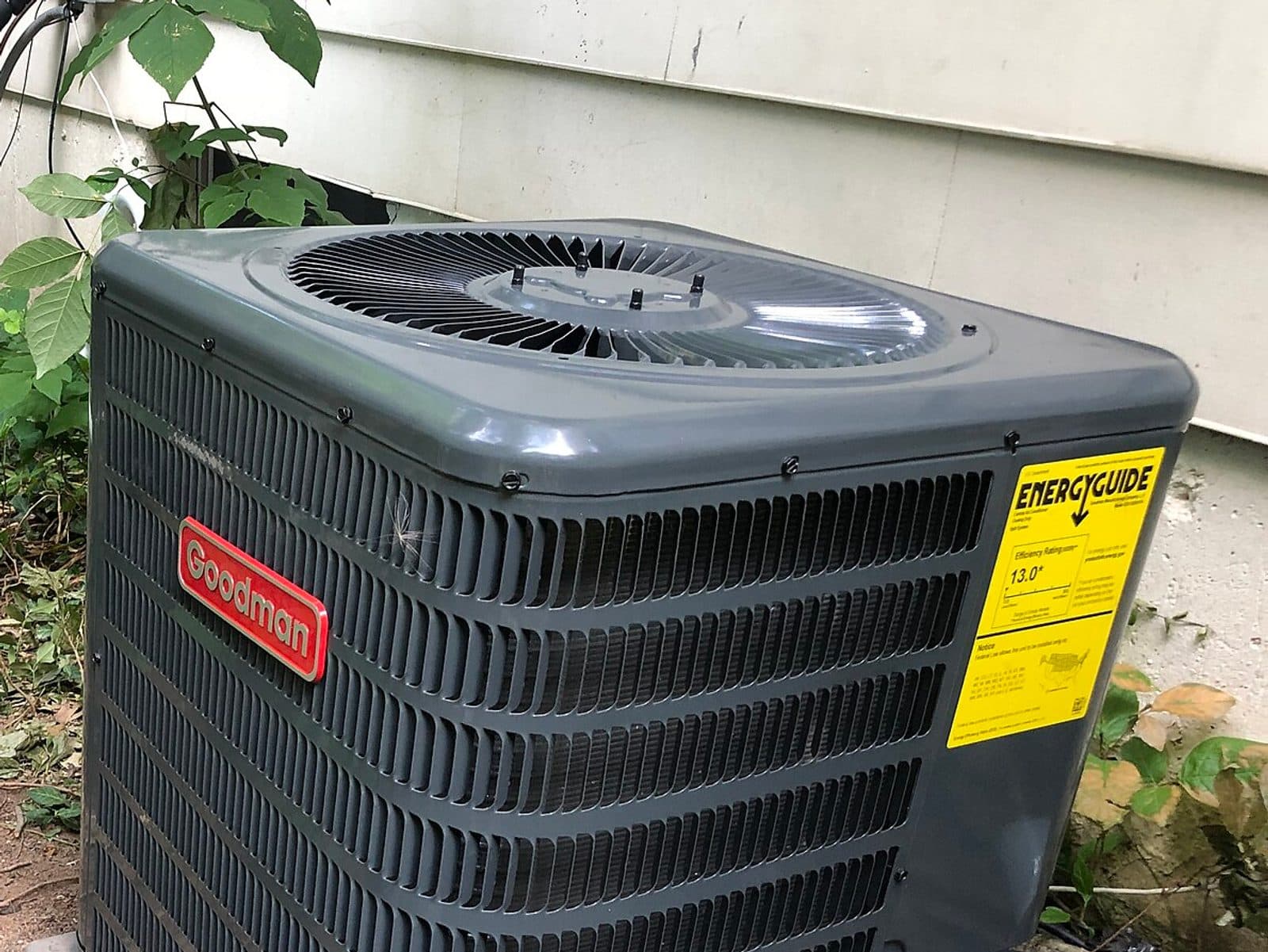
What Counts as Short Cycling
A normal cooling cycle in summer runs long enough to drop humidity and even out room temperatures, often 15 minutes or more on a hot day. Short cycling is different: the system starts every few minutes, runs briefly, and stops before the house feels dry or even.
Watch and time it for half an hour. Note how long each run lasts, whether the air at the vents gets cold, and whether any rooms stay muggy. That record helps a local HVAC technician in our network separate a control problem from a refrigeration problem.
Simple Causes to Rule Out First
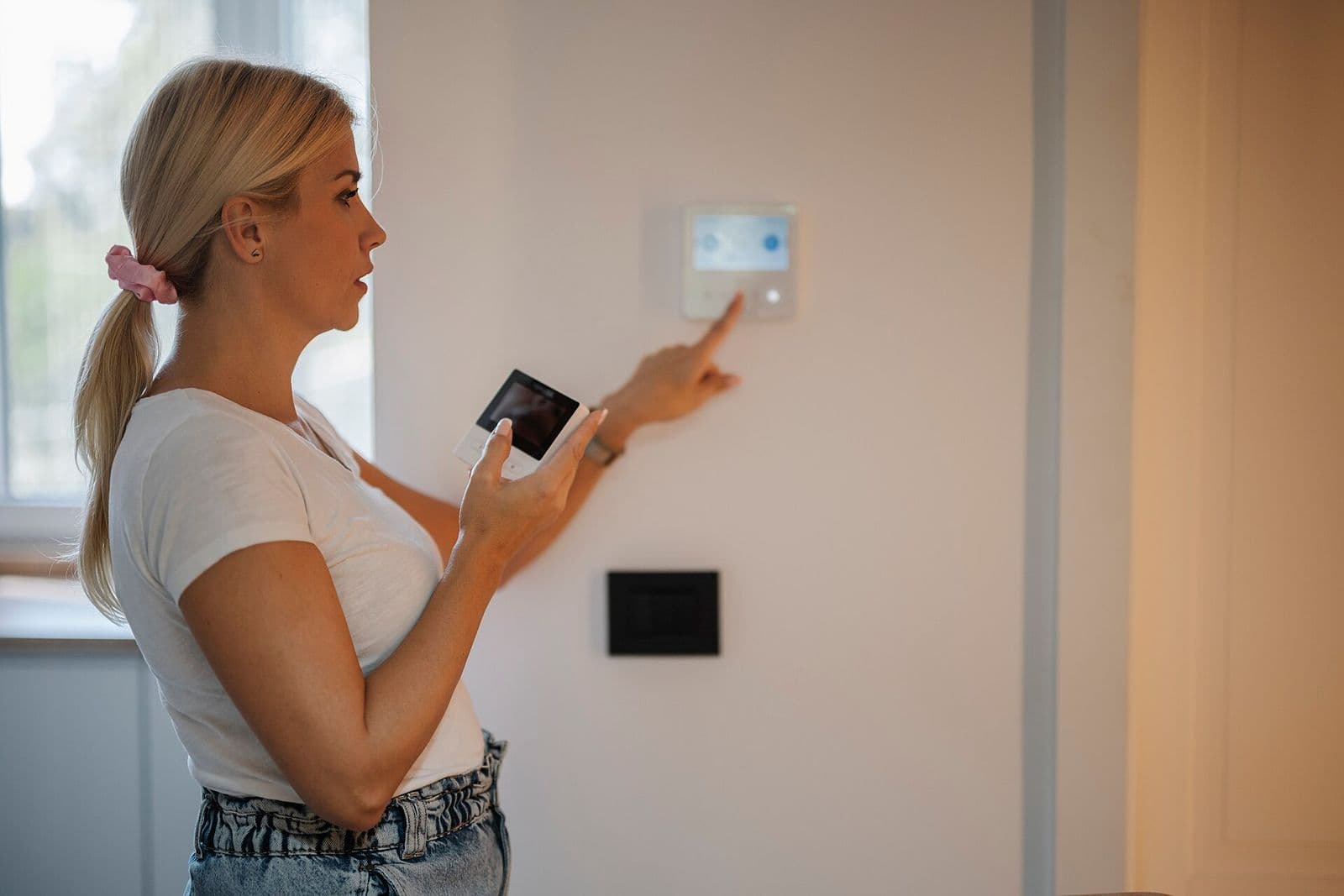
Replace a clogged filter and confirm the thermostat is not in direct sun, next to a hot lamp, or in the draft of a supply vent. A thermostat that gets blasted with cold air satisfies too fast and shuts the system down, then warms up and restarts it.
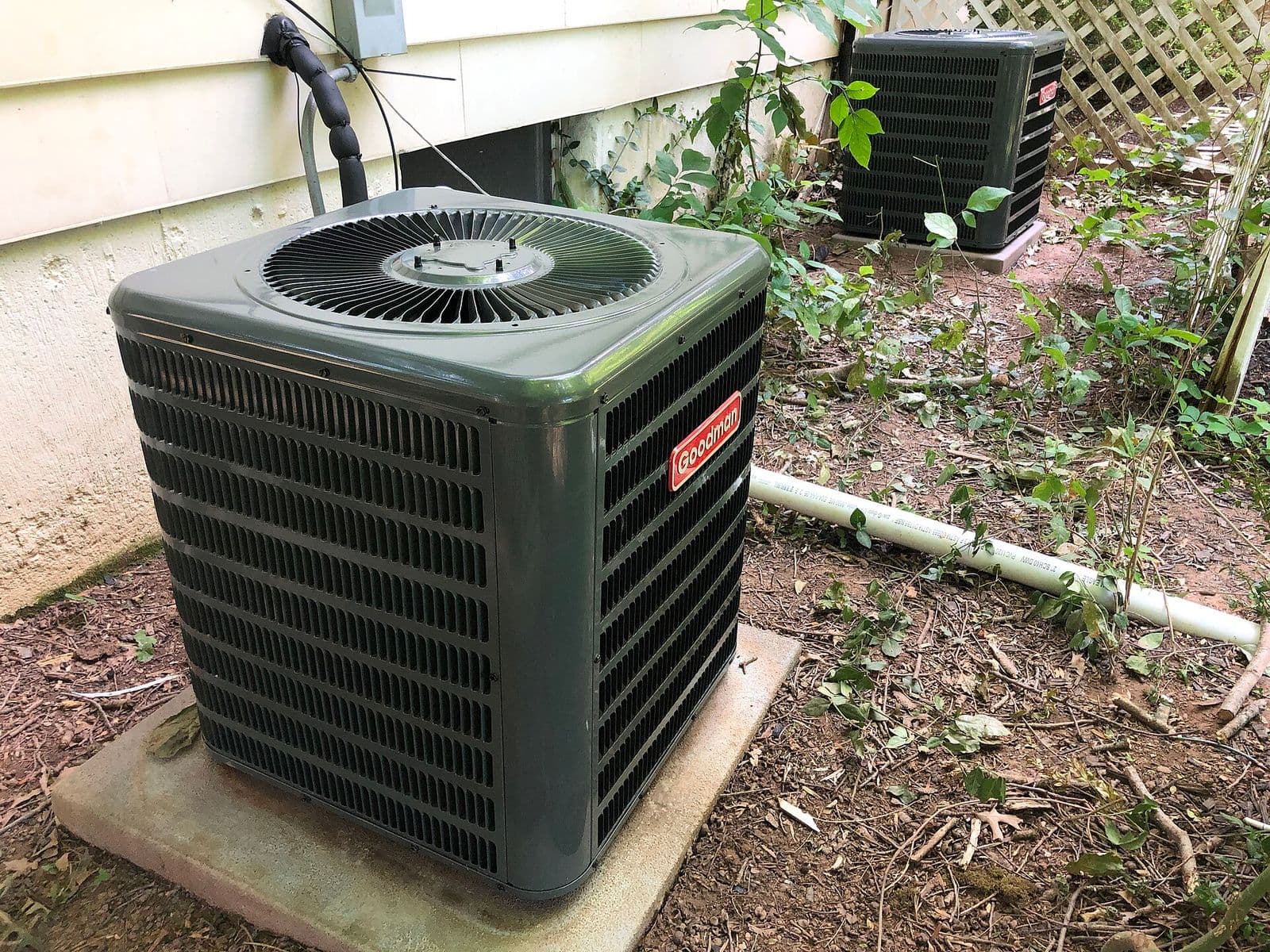
Check that the outdoor unit is not packed with debris and that the condensate drain is not backed up. Many systems have a float switch in the drain pan that cuts the system off when water backs up, then lets it restart as the water level drops. Repeated drain cutoffs look exactly like short cycling.
- Clogged filter restricting airflow and overheating or freezing components.
- Thermostat in sunlight or in a supply vent draft.
- Clogged condensate drain tripping the float switch off and on.
- Dirty outdoor coil causing high-pressure cutoffs on hot afternoons.
Mechanical Causes: Low Charge, Ice, and Oversizing
Low refrigerant drops suction pressure until a low-pressure switch cuts the compressor off. As pressure equalizes, the system restarts, then cuts off again. A frozen indoor coil does the same thing from the airflow side. Both need a diagnosis, not a reset.
An oversized system short-cycles from day one: it blasts the house to the set point in minutes, shuts off, and leaves humidity behind. Oversizing is common after a like-for-bigger replacement without a load calculation. No adjustment fully fixes oversizing, which is why sizing matters in new system decisions.
Why Short Cycling Costs You Money
Starting current is the hardest load a compressor handles. Dozens of extra starts a day shorten compressor and capacitor life, spike energy use, and leave the house humid because the coil never runs long enough to wring moisture out of the air.
In Dallas–Fort Worth humidity, that muggy feeling is often the first complaint, even before the electric bill rises. If rooms feel sticky while the thermostat says the set point was reached, read the section on humidity in the guide to AC not cooling and schedule a check.
When to Call and What a Technician Does
Call for AC repair if cycles last only a few minutes, if you see ice on the lines, if the drain pan holds water, or if short cycling started suddenly after normal operation. Turn the system off if you see ice so the coil can thaw without flooding the drain pan.
A local HVAC technician in our network times the cycles, checks refrigerant pressures and switches, tests the thermostat and float switch, and measures airflow. The fix may be a drain clearing, a leak repair, a thermostat relocation, or a smart thermostat installation with correct placement and settings.
Editorial note: This guide is educational. HVAC work can be dangerous — when in doubt, call a local HVAC technician rather than opening anything up.
FAQ
Questions about this topic
Is short cycling bad for my AC?
Yes. Frequent starts wear the compressor and start components, raise energy use, and leave humidity behind because cycles end before the coil removes moisture. Get the cause checked promptly.
Can a thermostat cause short cycling?
Yes. A thermostat in direct sun, near a heat source, or in the direct draft of a supply vent can satisfy too quickly and restart the system minutes later. Relocation or corrected settings often fixes it.
How long should an AC cycle last?
On a hot day, a healthy cycle commonly runs 15 minutes or longer and removes humidity as it runs. Repeated cycles of only a few minutes, several times an hour, point to a fault worth diagnosing.
Services for this topic
Related guides
Troubleshooting
AC Not Cooling the House? A Step-by-Step Check
An AC that runs but does not cool the house usually has restricted airflow, a dirty outdoor coil, low refrigerant, or leaky ducts. Check the filter, confirm every supply vent is open, and rinse debris off the outdoor coil. If the indoor temperature keeps rising on a normal day, call a local HVAC technician in our network.
Cooling
Frozen AC Coil: Why It Happens and What to Do
A frozen evaporator coil is caused by too little airflow across the coil or too little refrigerant inside it. Turn the cooling off, set the fan to ON to thaw the coil, and replace a clogged filter. Once thawed, a local HVAC technician in our network must fix the airflow or leak cause, or the coil will freeze again.
Troubleshooting
Thermostat Not Working? Blank Screen and No Response Fixes
A thermostat that is blank or unresponsive usually lost power from dead batteries, a tripped breaker, or a condensate float switch that cut power to stop a water overflow. Replace batteries and check the breaker and drain pan first. If the screen returns but the system still will not run, call a local HVAC technician in our network.