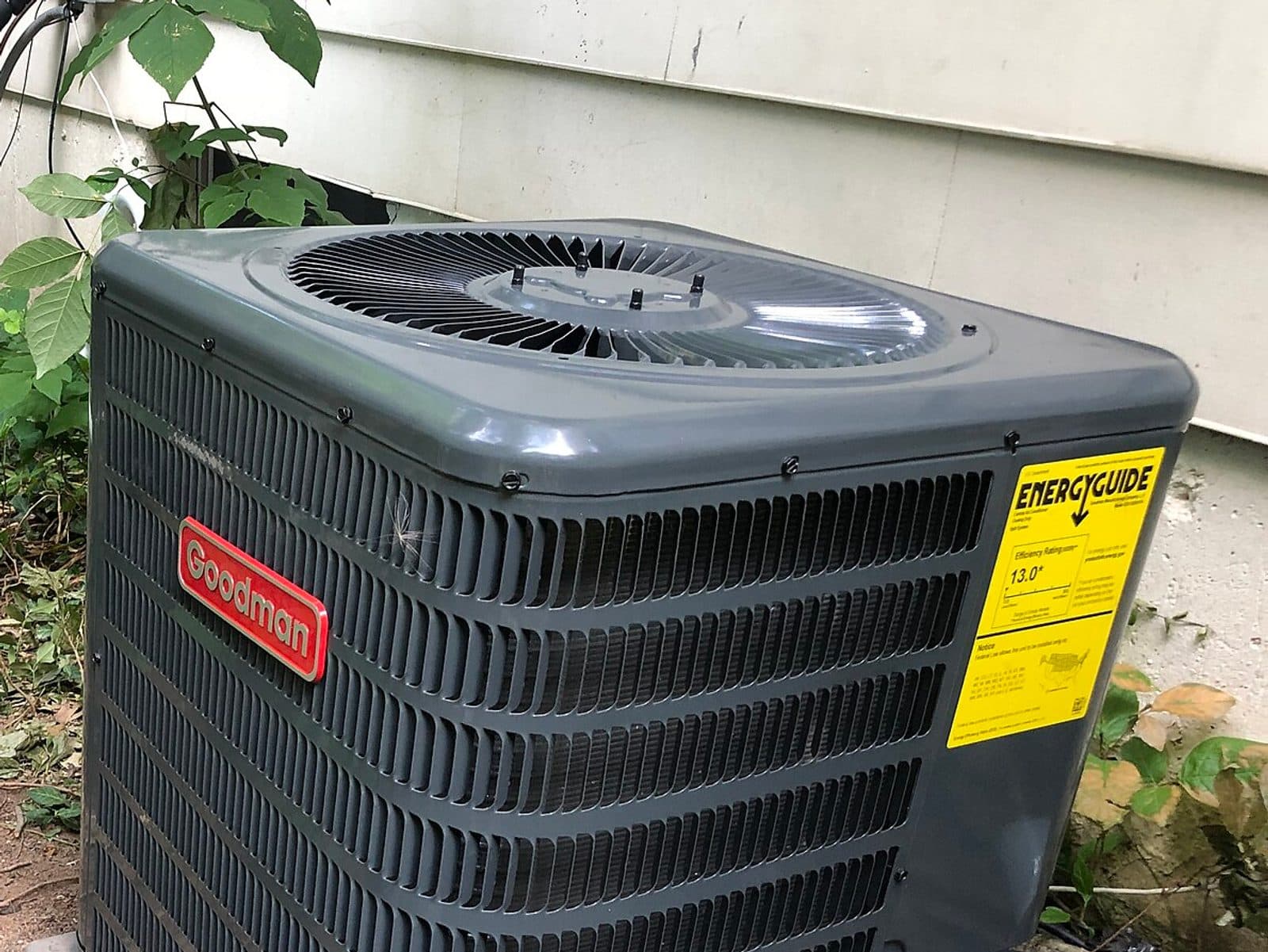
Short answer
The cost of a new HVAC system is set by system size and type, efficiency rating, duct condition, and the labor to install it correctly in your home. This guide lists factors only, with no prices, because an accurate quote requires a load calculation and a look at your ducts and electrical setup. A local HVAC technician in our network provides a written quote after that assessment.
Size and System Type Set the Baseline
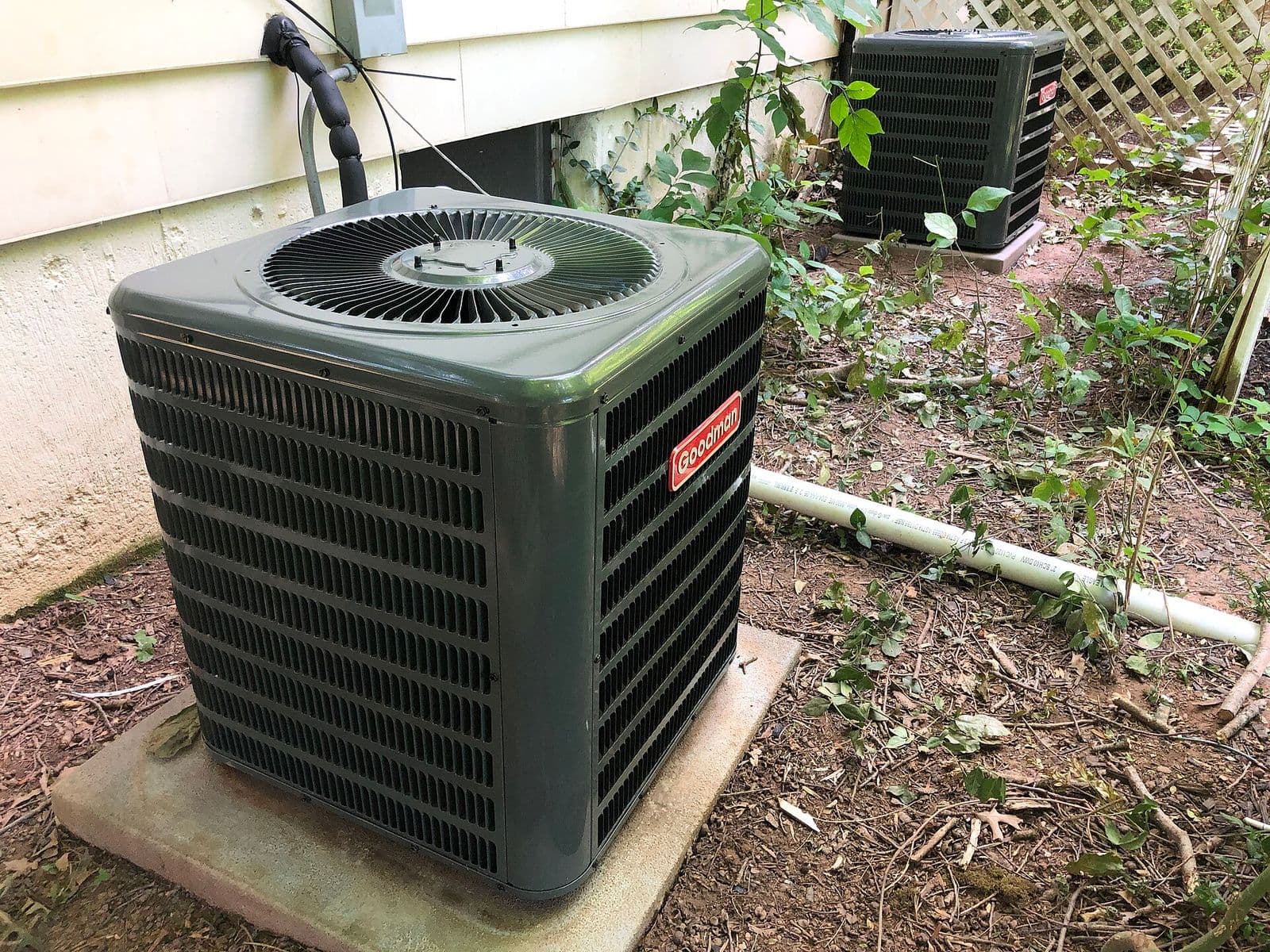
A correctly sized system starts with a load calculation that accounts for square footage, ceiling height, insulation, windows, orientation, and Dallas–Fort Worth design temperatures. Bigger is not better: oversized cooling short-cycles and leaves humidity behind, while undersized heating strains on freeze nights.
System type matters too. A split gas system, an electric air handler with heat strips, a heat pump, and a ductless setup each have different equipment and install needs. Two-story homes with separate upstairs and downstairs systems multiply the scope. The guide on heat pump vs. gas furnace in Texas compares the two most common DFW choices.
Efficiency Ratings and Equipment Features
Higher efficiency ratings, variable-speed blowers, two-stage or variable-capacity compressors, and communicating controls all change equipment cost and change monthly operating cost in the opposite direction. Long North Texas cooling seasons make efficiency differences show up over more runtime hours than in milder climates.
Ask for quotes that separate equipment tier from install scope, so you can compare the same scope at different efficiency levels. A low quote that omits duct fixes, a new pad, or a proper line set flush is not the same job as a complete quote. HVAC system replacement should always be compared scope to scope.
- Efficiency rating and compressor type: single-stage, two-stage, or variable capacity.
- Blower type and controls, including smart thermostat compatibility.
- Brand, warranty terms, and parts availability in the DFW area.
- Refrigerant type and whether the existing line set can be reused or must be replaced.
Ducts, Attic Access, and Install Conditions
Install labor is shaped by where the equipment lives. Many DFW air handlers and furnaces sit in attics reached by a pull-down stair, with tight platforms and long duct runs. Attic access, platform work, drain routing, and flue or vent changes all add labor that a garage or closet install may not need.
Duct condition decides whether new equipment performs as rated. Undersized returns, crushed flex runs, and leaky joints waste new capacity. Some quotes include duct corrections, sealing, or added returns; others assume the ducts are fine. Confirm which assumption your quote makes before signing.
Permits, Electrical, and Code Items
Most DFW cities require a permit and inspection for a system replacement. Disconnects, breaker sizing, condensate management with a secondary drain pan and float switch for attic installs, gas line checks for furnaces, and flue condition all fall under code and safety review.
Older homes may need electrical panel work, a new disconnect, or gas line corrections before new equipment passes inspection. Those items belong in the written scope. A quote with no mention of permits or inspection is a warning sign, not a saving.
When to Call and What a Technician Does
Call for a replacement assessment when repair costs are climbing, the system uses an older refrigerant, or comfort problems persist after repairs. A local HVAC technician in our network performs a load calculation, inspects ducts and electrical service, checks the line set and drain setup, and then provides written options for AC installation or a full system change with the scope spelled out.
Bring past utility patterns, hot and cold room notes, and any prior quotes to the visit. Good input produces a tighter recommendation. If the current system still runs, the guide on signs your AC needs replacing helps you judge repair versus replace before the visit.
Editorial note: This guide is educational. HVAC work can be dangerous — when in doubt, call a local HVAC technician rather than opening anything up.
FAQ
Questions about this topic
Why do HVAC quotes vary so much between companies?
Quotes vary because scope varies: equipment tier, duct corrections, permits, electrical work, and install conditions differ from home to home. Compare written scopes line by line, not just totals.
Can I get an accurate price without a home visit?
No. An accurate replacement price needs a load calculation and an inspection of ducts, electrical service, and install access. Phone or photo estimates miss the items that change the final cost most.
Should I replace the furnace and AC at the same time?
Often it makes sense when both are similar in age, because matched systems share the blower and controls and labor overlaps. A technician can assess the age and condition of each part and lay out both options in writing.
Services for this topic

Related guides
Costs & Decisions
Signs Your AC Needs Replacing, Not Another Repair
An AC usually needs replacing when repairs repeat every season, the compressor or coil fails, energy bills climb while comfort falls, or the system uses an older refrigerant that is costly to service. One repair on a younger system is normal. A pattern of failures is the signal. A local HVAC technician in our network can lay out repair and replacement side by side in writing.
Costs & Decisions
Heat Pump vs. Gas Furnace for a Texas Home
For most Dallas–Fort Worth homes, a heat pump heats efficiently through typical winter weather and cools in summer with the same equipment, while a gas furnace delivers stronger heat output during hard freezes if gas service is already at the home. The right choice depends on gas availability, winter comfort preference, and backup heat planning. A local HVAC technician in our network can compare both for your home.
How-To
How to Prepare Your AC for a Texas Summer
Prepare your AC in spring by replacing the filter, clearing debris from the outdoor unit, confirming the condensate drain flows, testing cooling before the first heat wave, and scheduling a tune-up. Catching a weak capacitor, low charge, or clogged drain in April beats an emergency call in July. A local HVAC technician in our network handles the gauge and electrical checks.