
Short answer
Banging often means loose or broken blower or compressor parts, squealing points to a belt or motor bearing, rattling is usually loose panels or debris, and loud buzzing suggests an electrical fault. A hissing sound can mean a refrigerant leak. Turn the system off for grinding, loud banging, or electrical buzzing and call a local HVAC technician in our network.
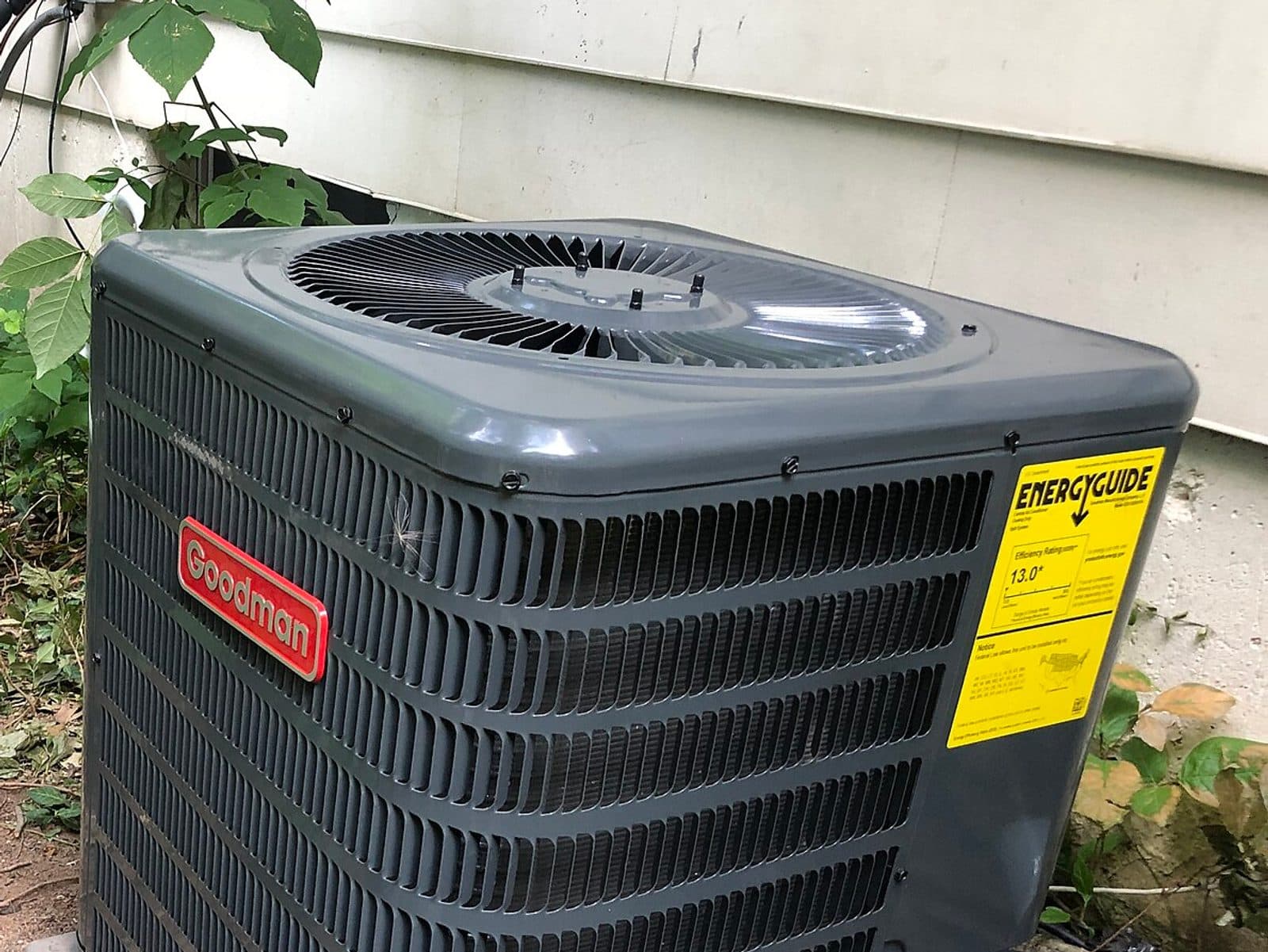
Banging, Clanking, and Thumps
A bang at startup can be duct metal flexing as pressure changes, which is common and minor, or delayed furnace ignition, which is not minor. Repeated loud banging while the system runs points to a loose blower wheel, a broken motor mount, or internal compressor damage.
For a gas furnace, a boom at ignition means gas built up before lighting. Turn the furnace off and call for furnace repair before running it again. Do not keep restarting a furnace that booms. Compressor banging paired with weak cooling points toward AC repair and a system that should stay off to protect the compressor.
Squealing, Screeching, and Grinding
High-pitched squealing at startup often comes from a worn belt on older blower setups or dry motor bearings. A screech that continues while running suggests a motor bearing failing under load. Grinding is metal on metal and always means stop the system.
Note when the sound happens: only at startup, the whole cycle, or at shutdown. That timing narrows the part list before the technician arrives. Record a short phone video of the sound if it is safe to do so from outside the unit; do not open panels to get closer.
- Squeal at startup only: belt wear or bearing starting to fail.
- Continuous screech: motor bearing failure in progress.
- Grinding at any point: stop the system and call.
- Chirping that fades: often a minor belt or bearing warning worth scheduling.
Rattling, Buzzing, and Clicking
Rattling is frequently a loose access panel screw, debris in the outdoor fan, or ductwork vibrating against framing. Check for twigs in the outdoor fan grille with the power off. Buzzing is different: a loud electrical buzz at the outdoor unit often means a failing contactor or capacitor, and the unit should stay off until checked.
Single clicks at startup and shutdown are normal relay sounds. Rapid repeated clicking with no start means the system is trying and failing to ignite or start, which points to an ignitor, flame sensor, capacitor, or control fault. Count the clicks and note any thermostat message for the technician.
Hissing, Bubbling, and Whistling
A loud hiss near indoor lines or the coil can signal refrigerant escaping under pressure. Turn the system off and call for service; refrigerant handling requires EPA Section 608 certification and the leak must be found, not just recharged. See the guide on a frozen AC coil for leak symptoms that pair with hissing.
Whistling at vents or the filter slot usually means air forcing through a restriction: a clogged filter, a crushed duct, or a return that is too small. Replace the filter first. If whistling persists, airflow and duct sizing need a check during an HVAC inspection.
When to Call and What a Technician Does
Call promptly for grinding, furnace ignition booms, loud buzzing, hissing, or any noise paired with weak heating or cooling, burning smells, or breaker trips. For a burning smell with a furnace, turn the system off; for a gas smell, leave the house and call 911, then Atmos Energy.
A local HVAC technician in our network listens through a full cycle, isolates whether the sound is blower, compressor, duct, or electrical, and tests the suspect part. You get the cause and a written repair price before work starts. Minor panel rattles found during AC maintenance are fixed before they become service calls.
Editorial note: This guide is educational. HVAC work can be dangerous — when in doubt, call a local HVAC technician rather than opening anything up.
FAQ
Questions about this topic
Is a banging furnace dangerous?
It can be. A single duct flex pop is minor, but a boom at ignition suggests delayed ignition with gas buildup. Turn the furnace off and call for furnace repair before running it again.
Why does my AC buzz loudly but not start?
Loud buzzing with no start often means a failing contactor or capacitor, or a compressor trying to start against a fault. Leave the system off so repeated start attempts do not damage the compressor, and call for diagnosis.
Should I record the noise for the technician?
Yes, if you can do it safely without opening any panel. A short recording plus notes on when the sound happens, at startup, during the run, or at shutdown, helps the technician narrow the cause quickly.
Services for this topic
Related guides
Heating
Furnace Not Heating? Safe Checks for Texas Homes
A furnace that does not heat is often set wrong at the thermostat, has a clogged filter tripping a limit switch, or lost power or gas supply. Check the thermostat mode, filter, and breaker first. If you smell gas or a carbon monoxide alarm sounds, leave the house and call 911, then Atmos Energy. Do not open furnace panels.
Costs & Decisions
Signs Your AC Needs Replacing, Not Another Repair
An AC usually needs replacing when repairs repeat every season, the compressor or coil fails, energy bills climb while comfort falls, or the system uses an older refrigerant that is costly to service. One repair on a younger system is normal. A pattern of failures is the signal. A local HVAC technician in our network can lay out repair and replacement side by side in writing.
Troubleshooting
AC Short Cycling: Why It Turns On and Off So Often
Short cycling is when the AC starts, runs for only a few minutes, shuts off, and restarts again and again. Common causes are an oversized system, low refrigerant, a clogged filter, a frozen coil, or a thermostat in the wrong spot. Because frequent starts wear the compressor, get it checked promptly by a local HVAC technician in our network.