Short answer
An AC usually needs replacing when repairs repeat every season, the compressor or coil fails, energy bills climb while comfort falls, or the system uses an older refrigerant that is costly to service. One repair on a younger system is normal. A pattern of failures is the signal. A local HVAC technician in our network can lay out repair and replacement side by side in writing.
The Repair Pattern Matters More Than One Breakdown
Capacitors, contactors, and fan motors wear out on any system and are routine repairs. The replacement conversation starts when major components follow each other: a blower motor one summer, a coil leak the next, and a compressor that now tests weak. Each repair buys less time than the last.
Keep a simple log of repairs with dates and what was replaced. Two major repairs in two seasons, or a single failure of the compressor or indoor coil on an older system, deserves a replacement quote for comparison before you authorize the repair. AC repair and replacement quotes can be requested in the same visit.
Comfort and Bill Signs
Rooms that never reach the set point, humidity that stays high indoors, and runtimes that stretch longer each summer all point to lost capacity. Coils corrode, refrigerant leaks slowly, and duct leaks grow, so an aging system works harder for less cooling.
Compare summer electric bills year to year at similar temperatures. A steady climb with no change in rate or usage habits suggests the system is losing efficiency. Dust near vents, musty odors at startup, and noise changes belong on the same list; see the guide on HVAC noises for which sounds matter.
- Repairs needed every cooling season, with shorter gaps between them.
- Warm or humid rooms despite long runtimes.
- Summer bills climbing while rates and habits stay flat.
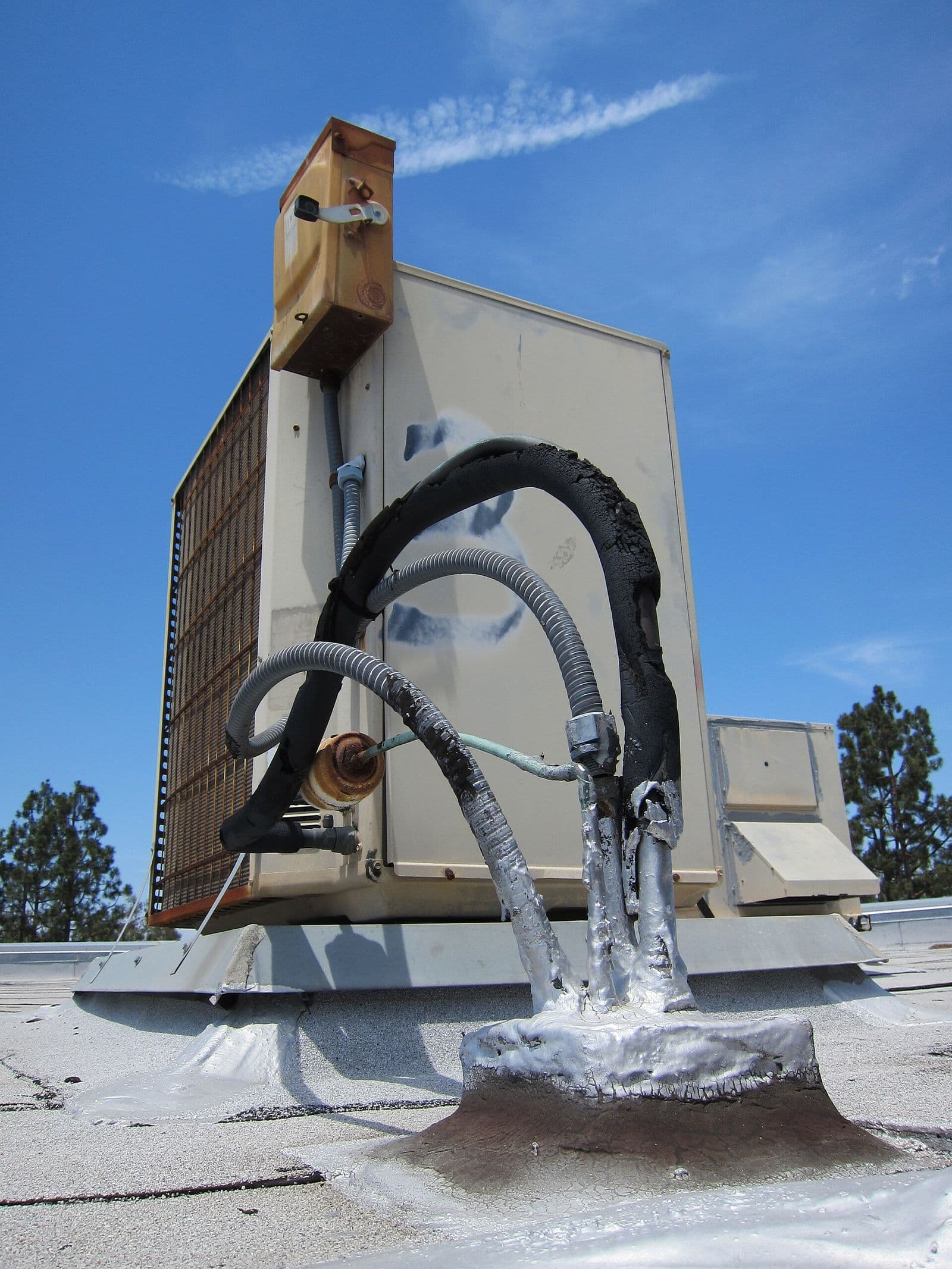
- Ice, rust, or oil stains at the coil or line set from a slow leak.
- System uses an older refrigerant that shops stock less of each year.
Age, Refrigerant, and Parts Availability
Age alone does not condemn a system, but age plus failures does. Older systems using R-22 refrigerant face limited, costly refrigerant supply, so a major leak repair on an R-22 system rarely pays back. Current systems use newer refrigerants with better parts support in the DFW area.
Ask the technician to name the failed part, the refrigerant type, and whether the mating indoor or outdoor section can pair with current equipment. Mismatched replacements often disappoint. The factor list in what determines new system cost shows why full-system quotes differ from single-unit swaps.
Repair vs. Replace: Decide With Written Numbers
Get both numbers in writing: the repair with its warranty, and replacement options with scope, efficiency, and warranty terms. Weigh the repair cost against the system age, the likelihood of the next failure, and the comfort and bill improvements a correctly sized new system brings.
A good assessment explains what happens if you repair now and the compressor fails in August, and what a planned spring replacement avoids. Planned replacements beat emergency replacements in DFW summers, when schedules fill and homes sit hot.
When to Call and What a Technician Does
Call when a major part fails, when the second repair in a season is quoted, or in spring if the system limped through last summer. A local HVAC technician in our network tests the compressor and coils, checks refrigerant type and charge, reviews repair history, and provides written options for repair and for HVAC system replacement.
If you choose replacement, the visit includes a load calculation and duct inspection so the new system is sized to the house, not just matched to the old nameplate. For new cooling only, see AC installation.
Editorial note: This guide is educational. HVAC work can be dangerous — when in doubt, call a local HVAC technician rather than opening anything up.
FAQ
Questions about this topic
How long does a central AC last in Texas?
Long, hot cooling seasons wear Texas systems faster than mild-climate systems. Lifespan varies with maintenance, runtime, and install quality, so condition and repair history matter more than a fixed year count.
Should I repair an AC that uses R-22?
Small electrical repairs can still make sense, but a major refrigerant leak or compressor failure on an R-22 system rarely pays back because R-22 supply is limited and costly. Get a replacement quote before authorizing a major R-22 repair.
Can I replace only the outdoor unit?
Sometimes, but mismatched indoor and outdoor sections can lose efficiency and warranty coverage. A technician should confirm the pairing is rated together before quoting a partial replacement.
Services for this topic

Related guides
Costs & Decisions
What Determines the Cost of a New HVAC System?
The cost of a new HVAC system is set by system size and type, efficiency rating, duct condition, and the labor to install it correctly in your home. This guide lists factors only, with no prices, because an accurate quote requires a load calculation and a look at your ducts and electrical setup. A local HVAC technician in our network provides a written quote after that assessment.
Troubleshooting
AC Not Cooling the House? A Step-by-Step Check
An AC that runs but does not cool the house usually has restricted airflow, a dirty outdoor coil, low refrigerant, or leaky ducts. Check the filter, confirm every supply vent is open, and rinse debris off the outdoor coil. If the indoor temperature keeps rising on a normal day, call a local HVAC technician in our network.
How-To
How to Prepare Your AC for a Texas Summer
Prepare your AC in spring by replacing the filter, clearing debris from the outdoor unit, confirming the condensate drain flows, testing cooling before the first heat wave, and scheduling a tune-up. Catching a weak capacitor, low charge, or clogged drain in April beats an emergency call in July. A local HVAC technician in our network handles the gauge and electrical checks.